Chimney solutions to your problems!
Signs You Need Animal Removal Chimney Dallas (And When You Don't)

Dallas, TX Animal Removal Specialists

Signs You Need Animal Removal Chimney Dallas

Scratching sounds. Strange smells. Blocked drafts. Your chimney may be housing unwanted guests right now. Here is how to know for certain, and what to do about it.

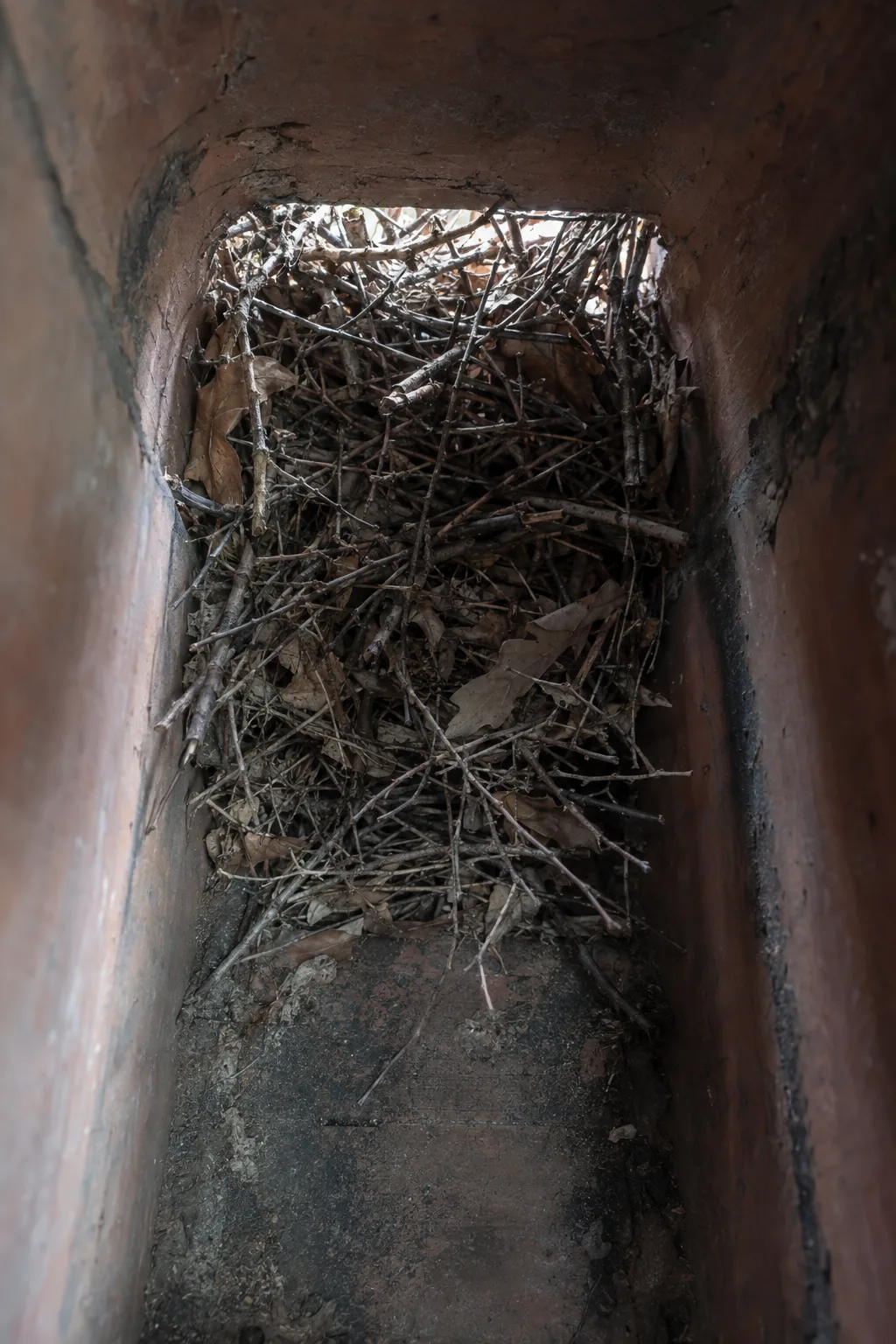
View looking up into a residential chimney flue, revealing a dense nest of twigs, leaves, and debris packed against the clay tile liner, with faint daylight visible above

Safe Flue Chimney Sweep

Dallas Chimney Experts You Can Count On

Why Animal Removal Matters for Your Chimney

In Dallas, chimney animal intrusions are more common than most homeowners expect. Chimney swifts, squirrels, raccoons, and starlings all find the vertical, sheltered shaft of an uncapped chimney attractive. The problem goes beyond noise or odor. Animals build nests from dry leaves, twigs, and debris that ignite easily. A chimney fire from a blocked flue can spread to the rest of your home within minutes.

Safe Flue Chimney Sweep and Repair handles animal removal chimney Dallas jobs as part of a full-service chimney assessment. We inspect the liner for damage, clear any blockages, and recommend a permanent solution so the same animal or another one cannot get back in. Call us at (214) 441-6336.

Our services span sweeping, inspection, repair, rebuild, and fireplace services. Whether you have a wood-burning fireplace or a gas insert, we know the Dallas market and the specific challenges that come with the local climate, from summer heat that dries out mortar to spring storms that drive debris and wildlife into open flues.
Know the Warning Signs

Signs You Need Animal Removal Right Now

Most homeowners discover a chimney animal problem by smell or sound before they ever think to look up. Here is what to pay attention to.

Scratching or Chittering Sounds Inside the Fireplace

This is the most obvious sign. Squirrels and raccoons scratch against tile or metal. Chimney swifts make a distinct chittering call. If you hear anything moving inside your flue, especially early morning or at dusk, an animal has likely already built a nest.

Persistent Bad Odor Near the Fireplace

Animal waste and decomposing nesting material produce a strong, musty smell. If you notice an odor coming from your firebox and you have not used the fireplace recently, that is not a creosote smell. It is almost certainly biological matter in the flue.

A dead animal trapped in the flue produces an unmistakable odor that intensifies over days. Do not try to fish it out yourself. The liner can be damaged, and the animal may be further up than it appears.

Smoke Backs Into the Room When You Light a Fire

A blocked flue has nowhere to send smoke. If the chimney draws poorly or smoke fills the room instead of venting outside, do not keep trying to use the fireplace. A nest is a fire hazard. Stop burning and have the flue inspected before lighting another fire.

Smoke backdraft from a blocked flue can expose your household to carbon monoxide. This applies equally to gas fireplaces. Learn more about what is involved in a gas chimney inspection in Dallas.

Visible Debris Falling Into the Firebox

Twigs, leaves, feathers, or insulation material dropping into your firebox means nesting material is directly above the damper. This debris is dry and flammable. Even if you open the damper and nothing falls out today, check again in a week. Animals re-enter quickly once they have found a gap.

An Animal Has Entered Your Living Space

If a squirrel, bird, or raccoon has come through the damper into your home, the path they took is still open. The animal you see is not necessarily the only one. Have the chimney inspected immediately, and do not use the fireplace until the entry point is sealed.

No Chimney Cap on Your Flue

An uncapped flue is an open invitation. If you have never had a cap installed, or if the existing cap is damaged, assume animals can and will enter when the weather changes. Spring nesting season in North Texas runs roughly from March through June. That is the highest-risk window, but raccoons den year-round.

Read more about signs you need chimney cap installation in Dallas and whether your existing cap is still doing its job.

And When You Don't

When You Do Not Need Animal Removal

Not every sound from a chimney means you have an infestation. Here is what might be happening instead.

Thermal Expansion Sounds

Metal flue components expand and contract with temperature changes. A ticking or popping sound shortly after you light a fire, or after it dies down, is often just metal moving. It does not mean an animal is present.

Wind Noise

A whistling or moaning sound from the chimney on windy days is usually a draft issue or a damper that does not seal fully. Check whether the sound stops when you close the damper. If it does, you likely have a fit issue, not an animal.

What the Work Covers

The Removal Process, Step by Step

  1. Full Inspection First

    Before anything is removed, we inspect the entire chimney with a camera. We need to know exactly what is in there and where it is. Nests can span multiple feet inside the flue, and some species, particularly chimney swifts, are federally protected during nesting season. The U.S. Fish and Wildlife Service prohibits disturbing active swift nests. We identify the species first. Most jobs take 2 to 4 hours total, including inspection and cleanup.

  2. Safe Removal of Nest and Debris

    We remove nesting material by hand and by vacuum, then brush down the flue walls. Any debris that fell below the damper is cleared from the firebox. Nesting material from raccoons can carry parasites, so we treat the area appropriately.

  3. Liner and Damper Check

    Animals scratch at clay tile liner and can cause hairline cracks or worse. We check the liner for damage after removal. If cracks are found, you will want to know before your next fire season. Review what to look for in our article on camera findings decoded: cracks, gaps, and offset tiles in chimney flues.

  4. Permanent Exclusion

    Removal without exclusion means the problem returns within weeks. We install or replace a properly fitted chimney cap with wire mesh sides. This stops birds, squirrels, and raccoons from re-entering. The National Fire Protection Association recommends annual chimney inspections, and a functioning cap is a baseline requirement they note specifically. If your existing cap was damaged by a Dallas summer storm, see our notes on why Dallas summer storms matter for your chimney cap.

  5. Post-Removal Sweep

    We finish with a full chimney sweep so the flue is clear of biological debris, fine particles, and any creosote that accumulated around the nest area. For a full overview of what this involves, see our chimney sweep Dallas TX complete guide. We also explain how often to clean a chimney for wood-burning vs gas fireplaces in Dallas.

Common Questions

Animal Removal Chimney Dallas: What Homeowners Ask

These are the questions we hear most often when homeowners call us at (214) 441-6336. Short, direct answers below.

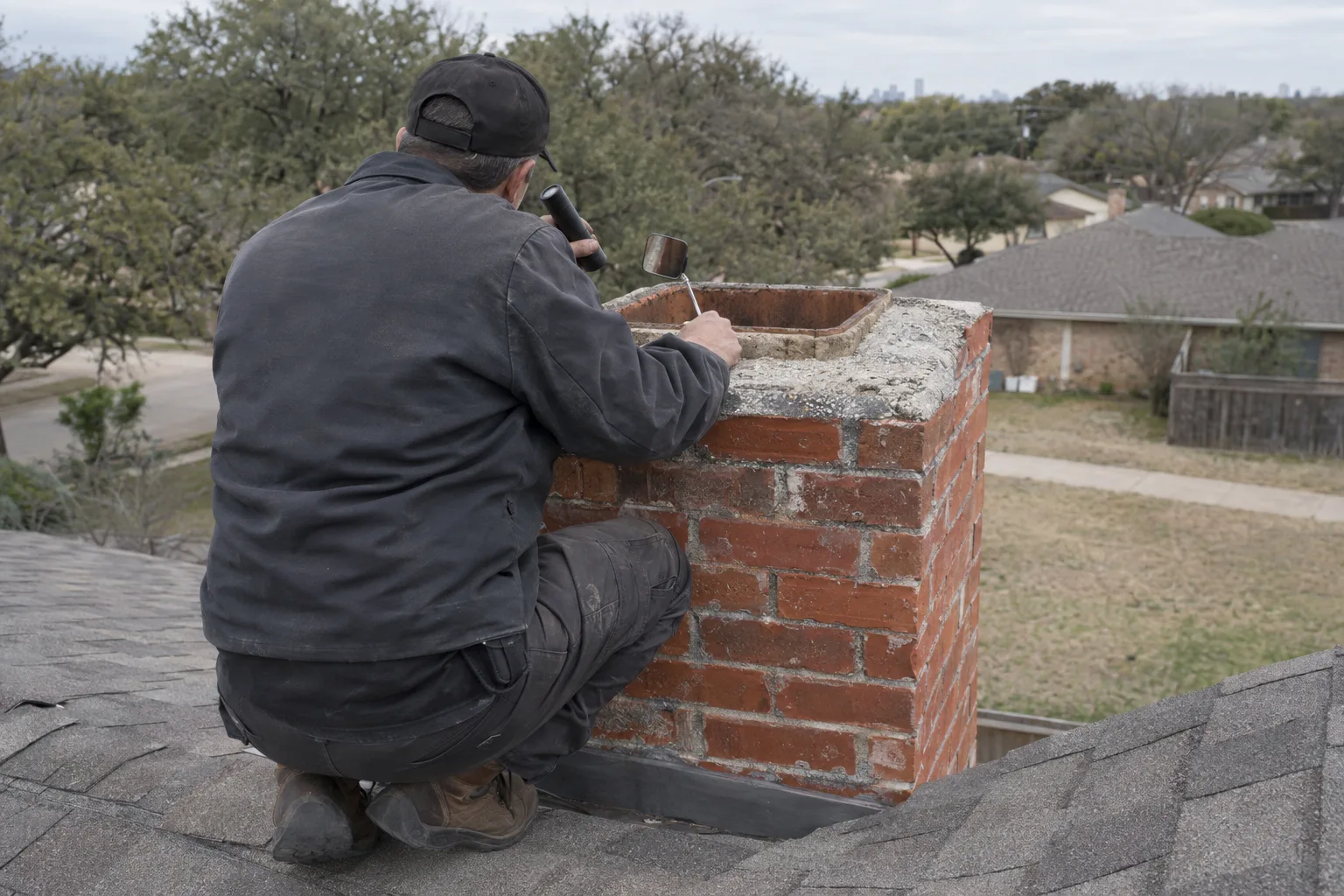
A chimney technician crouching on a suburban Dallas rooftop, back to camera, using a flashlight and mirror to inspect the open top of a red brick chimney after animal removal

How do I know if it is a chimney swift or another bird?

Chimney swifts make a distinctive chattering call, similar to rapid clicking. They enter and exit the chimney repeatedly at dawn and dusk during nesting season (roughly May through September in Dallas). Starlings and pigeons are quieter and more likely to be visible on the roof near the flue opening. Swifts are federally protected during active nesting. Do not attempt removal until the young have fledged, which typically takes 4 to 5 weeks after hatching. A camera inspection confirms exactly what you are dealing with.

What happens if an animal dies in the flue?

The smell becomes noticeable within 24 to 48 hours and peaks around day 4 to 10 before fading. The location in the flue determines difficulty of removal. If the animal is above the smoke shelf, retrieval requires a camera inspection to locate it and specialized tools to extract it without pushing it further down. Do not pour anything into the flue to speed decomposition. That creates a different problem for the liner.

How long does the whole removal process take?

Most standard single-flue jobs take 2 to 4 hours, including inspection, removal, liner check, sweep, and cap installation. Larger nests, multiple flue systems, or significant liner damage add time. If the liner is cracked and needs relining, that is a separate job scheduled after the removal is complete. We will give you a clear scope before we start. No surprise add-ons midway through the job.

Can I use my fireplace if I hear sounds but there is no smoke problem?

No. Even if the flue appears to draw correctly, a nest above the damper can ignite suddenly when you light a fire. The heat from a normal fire is enough to ignite dry nesting material 12 to 18 inches above the firebox opening. The nest does not need to be directly in the flame path. Do not use the fireplace until the flue has been inspected and cleared.

Does homeowner's insurance cover animal damage to a chimney?

Most standard homeowner policies exclude damage from vermin and birds as a maintenance issue. Some policies cover structural damage caused by a raccoon if it is classified as sudden and accidental. You would need to document the damage through a formal inspection report. We provide written inspection documentation if you need it for a claim. The claim outcome depends on your specific policy, so check with your insurer directly.

Is a chimney cap enough to prevent re-entry?

A properly fitted cap with 5/8-inch mesh sides is effective against most species. Raccoons can defeat lighter gauge mesh and some cheaper cap designs. We use caps rated for wildlife exclusion, not just rain and debris. If the cap flashing is also compromised, water and animals can enter through the gap between the cap base and the crown. That requires a separate repair. See our related article on DIY vs professional chimney flashing repair in Dallas.

Safe Flue Chimney Sweep and Repair

Hear Something in Your Chimney? Do Not Wait.

Animal nests become fire hazards fast. If you are noticing sounds, smells, or smoke problems, the right move is a camera inspection before the next fire. We serve Dallas and the surrounding DFW area. Most jobs are completed the same week.

Camera inspection included

We never quote removal without first looking inside. You see exactly what we find.

Full-service capability

Sweeping, inspection, repair, rebuild, and fireplace services. One call covers it all.

Permanent exclusion, not removal alone

Cap installation and exclusion measures to stop re-entry after every job.

Serving all of DFW

Dallas, Garland, Carrollton, Denton, Arlington, Flower Mound, Southlake, Saginaw and more.

info@safefluechimneysweepandrepair.com

Or call (214) 441-6336 to speak directly with our team