

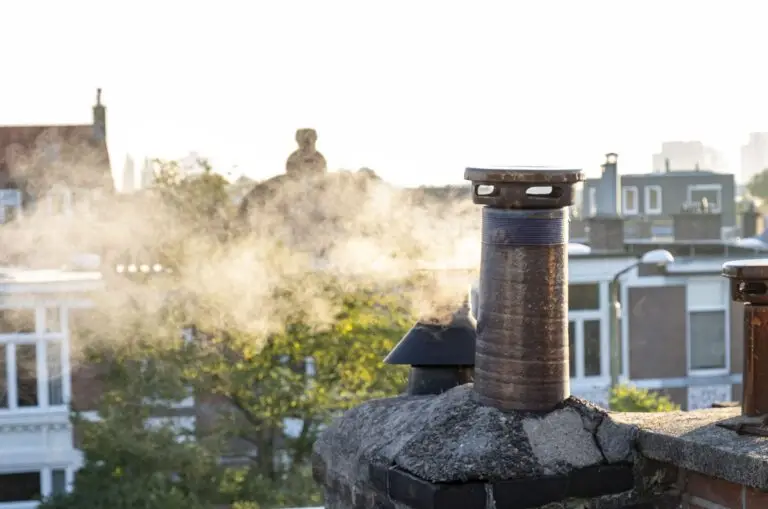
Summer storms in Dallas can rattle a chimney cap, bend the mesh, and let water and wind push inside the flue. Rain gets in, metal rusts, and critters sniff a way in. A quick check after big wind or hail can save your roof, walls, and firebox from leaks. If you spot loose screws or a tilted cap, book an inspection fast and keep your home dry.
Why summer storms shake chimney caps in Dallas
Hot air builds over the city, clouds pop up, and boom, an afternoon downpour hits. Wind whips around roofs and kicks at the chimney cap. That cap may be bolted, but gusts tug on it like a flag on game day. If the fasteners or crown are weak, the cap can shift. Even a small lean opens a path for water.
Dallas storms do not always ease in slow. Short bursts bring sheets of rain. A sideways blast can beat on the lid and drive water into small gaps. Hail adds to the challenge. Dings and dents in the top can break the seal at the rim. Over time, rust grows, and the cap loses grip.
Let us add heat to the story. Summer sun bakes metal. The cap expands by day and shrinks by night. This back and forth strains screws and sealant. When the first big storm hits, the weak spots give way. That is how many chimney leak Dallas calls start each June and July.
How wind and rain find a way inside
Picture the cap as a small steel umbrella. It keeps rain out and lets smoke out. When wind lifts one corner, rain rides the gusts like a kid on a slip and slide. Water follows gravity, then it takes the tiniest seam. A crack in the crown. A nail hole in the flashing. The flue tile joint. Each spot is a gate.
Water in the flue causes more than a drip. Soot turns into a sticky situation. Odors grow. Metal fireboxes rust. A gas log system can corrode. Masonry soaks up moisture, and stains show on ceilings near the chimney. In strong wind, loose screens rattle and shake. Birds and squirrels notice that noise and test the gap the next morning.
Heat, sun, and hail join the party
Dallas heat is intense. UV cooks paint and sealant. A black metal lid gets hot to the touch by noon. That heat dries out caulk lines on the cap skirt. When a storm cools the metal fast, the shock can crack old sealant. The next rain gets in.
Hail is a wild card. Even small hail can bruise thin lids and bend mesh. Heavy hail can split a thin-gauge cap. After a hail day, many folks check cars and windows. The cap often gets no love, since it sits way up top. Then the next rain hits, and a fresh leak shows up on the den ceiling.
A quick chat from a recent service call
I asked a customer near White Rock Lake, what did you hear during the storm. He said, it sounded like a drum on the roof and then a new drip in the fireplace. We found the cap had twisted a hair. Three screws were loose. The crown had a crack at the back. A small fix stopped the leak. He said, I wish I had looked up after the wind. Lesson learned.
Signs your cap took a beating
- Your cap looks tilted from the yard.
- The mesh is bent or torn.
- You see rust streaks down the chimney.
- Water spots show on the ceiling by the chimney.
- The fireplace smells musty after rain.
- You hear tapping or rattling up top during wind.
- Soot looks clumpy or damp.
What a good cap should do
A good cap blocks rain, sparks, and critters, and it vents smoke. It anchors to the flue tile or the crown. It sits level, with mesh that is not clogged. It has a lid that sheds water. In Dallas, a stainless cap handles heat and storms better than thin painted steel. The base should fit the flue, not wobble. Screws should bite clean metal or masonry, not crumbly mortar.
Why fast checks beat big repairs
A five minute look after a storm can save drywall, trim, and flooring. Water spreads. It finds paths in framing and pops up far from the chimney. Catching a loose cap early is simple. Tighten fasteners, reseal joints, swap a crushed lid, or replace a rusted mesh. Delay adds damage and more time on the job later.
Common weak points on Dallas homes
- Wide caps on double flues catch more wind. They need solid anchors.
- Old crowns crack in heat and let water sit under the cap base.
- Paint on mild steel flakes fast in summer sun, then rust sets in.
- Tall chimneys above a single story roof get full wind blast.
Quick checks when storms hit
- If the cap looks crooked from the ground, then do not climb, book an inspection.
- If you hear rattling in wind, then the lid or mesh is loose, get it tightened.
- If you see water stains near the chimney, then test with a garden hose low on the roof, not at the cap, and call if the stain grows.
- If hail hit your area, then use binoculars to spot dents, set a visit.
- If birds show up on the cap each morning, then the screen may be open, ask for a new mesh or animal guard.
- If smoke backs up on humid days, then the cap screen may be clogged, get a sweep and airflow check.
- If the crown has visible cracks, then seal or rebuild the crown before reattaching the cap.
Storm myths and the real story
- Myth: A heavy cap will not move in wind. Fact: Wind can lift any lid if the base is weak or the seal fails.
- Myth: No leak in summer means the cap is fine. Fact: Dry weeks hide problems. The next storm can show a fresh leak.
- Myth: A bigger lid always helps. Fact: Too big can catch more wind and pull on weak anchors.
- Myth: Mesh is optional in warm months. Fact: Mesh keeps birds, bats, and leaves out when storms blow debris around.
What we usually see in Dallas, TX
After June wind, we often find tilted lids, loose set screws, rusted mesh, and cracked crowns. Homes in Oak Cliff with tall stacks catch strong gusts. Homes near White Rock Lake see more hail hits on caps. These are quick fixes when caught early.
How heat, rain, cold, and humidity affect the cap
- Heat: Expands metal, dries sealant, and weakens paint. This leads to loose screws and rust.
- Rain: Finds gaps at the cap base, crown cracks, and flashing. Pooling water increases stains.
- Cold snaps: Shrink metal and open small seams. Freeze-thaw can chip masonry under the cap.
- Humidity: Clogs mesh with sticky soot and dust. Airflow drops, and smoke may push back.
Safe ways to check without risk
Stay off wet roofs. Wear gloves if you touch metal, the edges can be sharp. Use binoculars from the yard to check tilt or damage. If you must climb, wait for dry weather, use a stable ladder, and have a spotter. Better yet, call a sweep. We have roof gear, harness lines, and the right tools.
How a pro checks a cap after storms
- Visual scan from the ground to spot lean or rust streaks.
- Roof inspection of cap screws, lid, mesh, and base.
- Check the crown for cracks and soft spots.
- Look at flashing and mortar joints near the chimney.
- Run a hose test in short steps to find entry points.
- Open the damper and check for water marks inside.
- Soot and creosote check, then a sweep if needed.
- Photo report, so you see what we see.
- Fix, reseal, or replace parts that failed.
When repair makes sense, and when to replace
Small bends and loose screws can be fixed. A cap that is rusted through, split, or missing mesh needs a new unit. If the flue size changed during a liner upgrade, the cap must match that new size. A cracked crown needs repair before the cap goes back on. If storms keep twisting a wide multi-flue cap, a custom base plate and extra anchors can stop the shift.
Materials that hold up in Dallas
- Stainless steel: Stands up to heat, rain, and hail. Resists rust. Good for most homes.
- Copper: Weather safe and long lasting. Costs more, but not needed for most jobs.
- Galvanized steel: Cheaper, but paint peels in sun. Tends to rust in a few seasons.
Mesh size matters
Screen keeps out birds and squirrels, and it also sparks. In Dallas, a standard 3 or 4 mesh works for most wood and gas setups. Too fine can clog with soot in humid months. Too wide lets pests in. A pro can match mesh to your system.
Storm sound cues from the cap
- Loud buzzing or humming in wind can mean a loose lid.
- Sharp tapping during rain can point to water hitting a metal edge, not the lid center.
- A new drip in the firebox after a storm signals water past the cap or crown.
Fireplace types and cap needs
- Masonry wood-burning: Needs a cap that fits the clay tile or a full top cap if no tile sticks up.
- Factory-built units: Use a cap built for the make and model. The wrong cap can block airflow.
- Gas logs: Still need a cap to keep rain out. Water on burners causes trouble.
- Direct vent units: Often vent on a side wall, but if you have a roof vent, use the right cap for that system.
How storms can mess with airflow
Wind can cause back puffing if the cap is crooked or the mesh is clogged. A storm can drop leaves and soot into the mesh and cut down draft. Humid air is heavy and slows the pull. If smoke rolls back on a sticky day, the cap may be part of the story. Cleaning the flue and mesh often fixes it.
Hidden damage you might miss
- Hairline cracks in the crown under the cap base.
- Rust on the inside edge of the lid where water sits.
- Loose mortar at the flue tile where screws do not hold.
- Small holes in mesh low on the sides where pests chew.
Why water stains pop up far from the chimney
Water follows framing. A leak at the cap can run along rafters, then drip near a light or a wall. That is why a roof and cap check beats guessing. We trace the path with a meter and a hose test to confirm the source before repair.
Storm prep tips for your chimney cap
- Take a clear photo of your cap now. After a storm, compare.
- Keep tree branches trimmed back from the roof.
- Store a small pair of binoculars with your storm kit.
- Add cap check to your post-storm routine with gutters and fences.
Simple care schedule
- Weekly in storm season: After big wind or hail, look up from the yard. Check for tilt, dents, or missing mesh.
- Monthly year-round: Use binoculars to inspect the cap and crown for rust streaks or cracks. Smell the firebox for musty odors after rain.
- Yearly before fall: Book a chimney sweep and cap inspection. Reseal crown cracks. Tighten fasteners. Replace worn parts. If your area got hail that year, add a mid-summer check.
When your cap needs more than a tweak
If storms keep moving the cap, the base may not match the flue. A custom base plate and better anchors can fix that. If the crown is crumbling, we rebuild the crown with the right mix and slope. If the flue tile is too short, we can extend it so the cap has a good grip and rain sheds away from the crown.
Why critters love a storm-damaged cap
Birds, squirrels, and even small raccoons look for easy entries after wind. A bent mesh is an open door. Once inside, they build nests that block airflow. Then smoke backs up, or sparks catch debris. A good cap stops all that. If you hear chirps or scratching, call fast. We remove nests, clean the flue, and fix the entry.
How flashing and the cap work together
The cap keeps rain out of the top. Flashing seals the sides where the chimney meets the roof. If the cap shifts, water can bounce off the lid and land on weak flashing. Then the leak shows up, and the cap gets blamed. We check both, so the fix lasts.
A short roof story from a windy night
A homeowner said, I swear the cap was dancing. It shook in gusts and then settled. We found the lid hinge pin had worn out. The wind lifted the lid like a flap. New hinge, new screws, snug fit, no more dance. He laughed and said, I like quiet roofs.
DIY steps you can take
- Keep photos, dates, and notes on storms and checks.
- Clean soot stains on the face of the chimney so new streaks stand out.
- Swap a simple cap clamp if your model uses a band clamp and you can reach it safely from a flat roof. If not, stop and call.
- Use a garden hose gently to test low on the roof only. Do not spray water at the cap.
When to call sooner rather than later
- After hail you can see from the yard.
- After a cap-shaking wind that dropped limbs in your yard.
- After new stains or odors appear near the fireplace.
- If you plan to sell and want a clean report.
- Before your first fall fire, after a busy storm season.
Insurance and storms
Some storm damage can be part of a claim. Photos help. Keep dates and weather notes. We can document what we find and share a clear report. Your carrier can advise on coverage for your home.
FAQs
Q: What does a Dallas chimney cap actually do?
A: It keeps rain, animals, and sparks out, and lets smoke flow. It also shields the flue tile and crown from sun and hail.
Q: How often should I inspect after summer storms?
A: After any big wind or hail, give it a look from the ground that day. Book a pro check if you see tilt, dents, or rust streaks.
Q: Can I use my fireplace if the cap is bent?
A: Best to wait. A bent cap can block airflow or let water in. A quick visit can set it right and keep smoke moving.
Q: How do I know if water came in through the cap or flashing?
A: A hose test in steps and a meter check will show the path. We test from low to high and watch for stains inside.
Q: What cap material is best for Dallas weather?
A: Stainless steel stands up well to heat, rain, and hail. It resists rust and holds shape through summer.
Q: Do gas fireplaces need a cap?
A: Yes. Rain on burners and valves is trouble. A cap keeps water and critters out and vents gases safely.
Q: Will a bigger cap fix wind issues?
A: Not always. Fit matters more than size. The right base and anchors keep a cap steady. We match the cap to your chimney.
Q: Is it safe to climb up and check the cap myself?
A: Roof work is risky, more so after rain. Use binoculars from the ground. If you need roof access, call a pro with safety gear.
Q: Can hail damage a cap even if my shingles look fine?
A: Yes. Caps are thin metal and take direct hits. Small dents can break seals and start rust. A close look helps.
Q: Why does my fireplace smell after rain?
A: Moist soot can smell. Water may be getting past the cap or crown. Fix the water path and clean the flue to stop odors.
Bring it all together
Summer storms in Dallas test every cap on every roof. Wind shifts parts, rain sneaks into seams, and sun wears on metal. A clear plan, fast checks, and smart fixes keep your flue dry and your fire safe. A little time now saves time and protects your home.
Need a fast, friendly cap check after a Dallas storm. SafeFlue Chimney Sweep & Repair inspects, cleans, fixes, and replaces chimney caps so your home stays dry and safe. Our team spots small issues before they grow, and we handle crowns, flashing, and flues the right way. Call (214) 441-6336 or visit https://safefluechimneysweepandrepair.com to book your inspection today.