

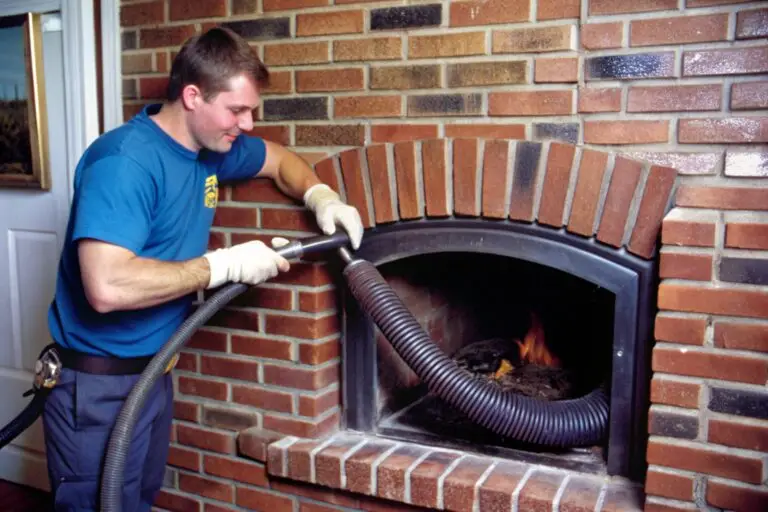
Creosote warning signs are not hard to find. Trust your nose and eyes. Watch for a sharp smoky smell, small black soot flakes on the hearth, and smoke that sneaks into the room. These are early clues. Catch them now, and you can stop blockages and fire risk. You can do quick checks from your couch. No ladder needed.
Why creosote shows up in the first place
Wood fires make smoke. Smoke cools as it moves up the flue. When smoke cools, it leaves a sticky, tar-like film called creosote. Think of it like bacon grease in a cold pan. It clings, it hardens, and it stacks up in layers. Airflow, wood type, and how hot you burn all change how fast it builds.
Three early signs to watch right now
- The smell test. A sharp, ashy, BBQ-like odor near the fireplace, even when the fire is out. Hot days make it stronger. Humid days do too.
- Soot flakes. Tiny black chips on the grate, in front of the firebox, or on the rug. They feel like coffee grounds or pencil shavings.
- Smoke in the room. The fire starts fine, then smoke curls out. Or you see haze near the mantel. Your eyes might sting a bit.
A quick chat you might relate to
You: Do you smell that?
Friend: Smells like last night’s cookout.
You: We did not cook last night.
Friend: Oh.
You: Yep, that is the chimney talking.
What the smell is trying to tell you
That sharp chimney odor means creosote or soot is pulling air into the home. Warm air rises, and your house acts like a straw. If the flue or cap is partly blocked, or if the house is a tight seal with strong fans running, the fireplace can draft in reverse. Summer in Dallas adds humidity, which wakes up odors trapped in the flue.
Why soot flakes matter
Loose black flakes look small, but they are clues. When flakes fall, it often means the layer above them grew heavy. Knocking noises when you open the damper, or bits raining down, point to a build-up. Creosote comes in stages. Powder is the first stage. Flakes are the next. A shiny glaze is the toughest kind. Flakes are the red flag you can see early.
What smoke in the room means
Smoke should go straight up. If it drifts out, the path is blocked or the draft is weak. Ash piles, a stuck damper, a dirty cap, wet wood, or a cold flue can all tilt the balance. A cold snap can also cool the flue walls. Then smoke slows and spills back. Wind that hits the cap at a bad angle can push smoke down too.
Quick checks you can do from the living room
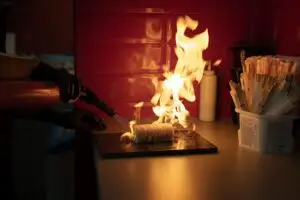
- Hold a lit match near the opening with the damper open. Watch the flame. If it leans out, you have a draft problem.
- Shine a flashlight up the flue. You should see a dull black surface. Thick crust, shiny spots, or flakes hanging loose mean it needs service.
- Run your hand along the firebox brick. A thin black film that smudges, normal. Thick goo that feels sticky, not normal.
- Look at the damper edge. If it is caked and rough, it will not seal or open well.
- Smell test on a hot day. Close windows. Turn off fans. Stand by the fireplace. If the smoke smell grows, the flue likely needs cleaning and sealing fixes.
- Check wood. Split a log. It should be light, with cracks at the ends. If it is heavy and smells sweet or green, it is not dry enough.
Local notes for Dallas homes
What we usually see in Dallas, TX is simple. Summer heat and humidity make odors stronger. Fall cold fronts flip drafts when the first fire of the season meets a cold flue. In older Lakewood homes with tall brick stacks, wind can swirl across the cap. In Oak Cliff living rooms with add-on gas logs, a dirty flue from past wood fires can still smell on humid days.
Weather tie-ins that matter
- Heat. Hot, humid air carries chimney odors right into the room, especially when AC pulls air from gaps.
- Cold snaps. A cold flue wall cools smoke. Start a small warm-up fire first to start the draft.
- Rain. A missing or bent cap lets rain in. Damp soot smells stronger and can stick to the flue.
- Wind. Strong gusts can push air down the flue if the cap is not sized right.
Simple causes you can fix fast
- Wet wood. It makes more smoke and creosote. Use seasoned hardwood, split and stacked off the ground.
- Ash pile too high. Keep ash at about one inch. A big mound blocks airflow.
- Damper not open all the way. Check before you light. Move the handle and look up to confirm.
- House pressure. Big range hoods and bath fans can pull smoke in. Crack a nearby window an inch when you start the fire.
Early warning checklist for your next fire
- Do you smell smoke before the fire starts
- Do you see tiny black bits on the hearth each week
- Does the glass door turn black fast
- Do you hear light tapping or falling grit when you open or close the damper
- Does your CO alarm chirp when you burn a low fire
- Do tall flames push out when you add wood
If you nod yes to two or more, it is time for a closer look.
Troubleshooting steps you can try
- If smoke rolls into the room at startup, then preheat the flue with a lit rolled-up newspaper held high near the damper for 30 to 60 seconds.
- If the smell grows on hot days, then seal ash dump doors, close the damper tight, and place a balloon-style flue plug when not in use.
- If soot flakes drop often, then stop burning until a sweep checks the flue for loose creosote and cap issues.
- If the damper sticks, then clean the edges with a stiff brush and vacuum loose debris, then test again.
- If glass doors blacken in one burn, then use drier wood, open the air controls more, and build a smaller, hotter fire.
- If wind pushes smoke back, then crack a window on the windward side, then try again. If it helps, ask about a wind-rated cap.
- If the house has strong fans running, then turn them off while the fire starts, then turn on later if needed.
- If you see shiny glaze inside, then do not scrape it. Call a sweep. Shiny glaze needs special tools and treatment.
- If rain drips into the firebox, then check the cap with binoculars. If missing or bent, cover the opening until a tech can install a new cap.
- If you smell a campfire scent when AC kicks on, then check for air leaks around the fireplace doors and panels, then seal gaps.
How creosote grows in stages
- Stage 1 – Dusty soot. Gray or black powder that wipes off. Easy to remove.
- Stage 2 – Flakes. Small chips that fall and pile up. Needs a proper sweep.
- Stage 3 – Glaze. Hard, shiny, almost like glass. Needs special removal. Do not ignore this one.
Keep it safe without overthinking it
- Burn only dry, split wood. No trash, no wrapping paper, no leaves.
- Keep a fire small to medium. Roaring fires look fun but make more smoke.
- Leave a shovel’s width clear in front of the firebox, no decor there.
- Keep a working smoke alarm and CO alarm near the living area.
Common myths and real facts
- Myth – A once-a-year burn is too little to make creosote. Fact – Even a few fires can make flakes if the wood is wet or the flue is cool.
- Myth – Pine always causes creosote. Fact – Wet wood causes it. Dry pine burns fine for a start-up if it is seasoned.
- Myth – A chimney cap is optional. Fact – A cap keeps rain, birds, and leaves out, which cuts odor and blockages.
- Myth – If the fire looks strong, the draft is fine. Fact – A strong fire can still shed smoke if the flue is cold or dirty.
Spotting warning signs by sense
- Sight. Look for haze near the mantel, dark streaks on brick, thick soot lines at the damper edge, or flakes on the hearth.
- Smell. Sharp campfire scent when the fireplace is cold, or a tar-like odor when the room is warm.
- Sound. Ticking or tapping as flakes fall, or a chuffing sound when wind hits the cap.
- Touch. Sticky soot on the firebox walls or glass door that does not wipe clean.
Why the living room test works
You live with your fireplace. You know its normal sound, look, and smell. Early creosote clues show up where you sit. Your couch is command central. You do not need a ladder to catch the story your fireplace is telling you.
Glass door clues you should not miss
- Cloudy film after one fire often means low heat and wet wood.
- Brown tar streaks mean glaze is forming.
- White haze can mean minerals from water drips, often from a rain leak at the cap.
Wood choices that help your draft
- Oak and hickory, split and stacked for at least a season, burn hot and clean.
- Store wood on a rack, off the ground, with a cover on top, sides open for air.
- Bring in a few logs and let them warm near the firebox for an hour before you burn.
Room airflow hacks that help
- Crack a window near the fireplace when you light the fire, close it once the draft is steady.
- Close the door to rooms with big return vents that might pull smoke.
- Keep ceiling fans on low and set to pull air up, not down, while the fire is fresh.
What bad creosote looks like up close
- Dull black powder, smudges easy.
- Black crunchy chips, like fish flakes for a pet.
- Shiny black glaze, smooth and hard. This one is stubborn and risky when thick.
What we usually see in Dallas, TX
- First cool front in fall brings smoke roll-back in living rooms with tall, cold flues.
- Summer humidity pumps chimney odor into rooms when AC runs long.
- Leaves and small twigs blown in after spring storms clog caps that have torn screens.
When a blockage is likely
- Birds or small nests near the cap when you hear chirps or flutters.
- Heavy leaf load after a windy day, smoke backs up at low flame.
- Mortar grit on the hearth, which means tiles or joints may be failing, pinching the flue.
Gear that can help at home
- Fireplace grate that lifts logs off the floor for better airflow.
- Moisture meter for wood, aim under 20 percent.
- Flashlight with a narrow beam for quick visual checks.
- Heat-resistant gloves to move tools without a burn.
Easy care schedule
- Weekly during burning season. Scoop ash to keep about one inch in the pan, wipe glass doors, peek up with a flashlight for fresh flakes.
- Monthly during burning season. Check the damper movement, brush the grate, test smoke and CO alarms, check cap with binoculars from the yard.
- Yearly. Get a chimney sweep to clean and inspect the full system, including flue, cap, crown, flashing, and firebox. Aim for late summer, before the first cold front.
When to stop and call a pro
- You see shiny glaze or thick flakes that keep falling.
- Smoke sets off alarms or stings your eyes.
- The damper jams or will not seal.
- You had a chimney fire in the past, even a small one.
- You spot water stains near the fireplace or on the ceiling around the chimney path.
Short safety notes
- Let ashes cool for a full day before you move them. Store in a metal can outside, away from walls or decks.
- Keep kids and pets at least three feet from the hearth while a fire is going.
- Never leave a fire alone. Bank it low before bed and close the screen or doors.
Odor cures that work
- Seal unused flues with a removable plug when seasons change.
- Clean the firebox and damper after a string of burns.
- Fix missing mortar joints that let room air pull through the smoke shelf.
- Upgrade to a cap with a full cover and a proper screen.
Telltale signs your cap needs attention
- Rust streaks down the crown.
- Bent or missing lid on the cap.
- Mesh clogged with soot or nests.
- Water marks in the firebox after rain.
What if you have gas logs
Even with gas logs, old creosote or soot in the flue from past wood fires can still smell on humid days. Gas can leave a film too. If you smell a sharp soot odor when the logs are off, the flue may need cleaning and a better seal at the damper area.
Draft tricks for first fires of the season
- Warm the flue with a small kindling fire first.
- Stack wood in a top-down load, kindling on top, big pieces on bottom, light the top for a clean start.
- Keep doors slightly open until flames are steady, then close to the normal setting.
How AC and heating affect the fireplace
Large AC systems and tight homes can pull air from the chimney. When the system cycles, pressure shifts can draw odors in. Crack a nearby window at startup and close it once the draft is strong. Check for gaps around the fireplace surround that let return air steal from the flue.
Why quick fixes beat big headaches
Small steps like burning dry wood, keeping ash low, and checking the cap cut creosote growth. Tiny habits save you from stuck dampers, smoky rooms, and stress during a family night.
FAQs
Q: What are the first creosote warning signs I can spot at home
A: Sharp smoke odor when the fireplace is cold, black soot flakes on the hearth, and smoke drifting into the room during a burn.
Q: How often should I check my fireplace during winter in Dallas
A: Do a quick look each week you burn. Peek up the flue, clear ash, and test the damper movement. Get a yearly sweep before the first cold front.
Q: Why does my chimney smell worse on hot, humid days
A: Heat and humidity pull trapped odors into the home, and AC can create pressure that draws air down the flue.
Q: Can wet wood really cause more creosote
A: Yes. Wet wood makes cooler, dirtier smoke. That smoke sticks to the flue and builds layers of creosote fast.
Q: Is smoke in the room normal at startup
A: A tiny puff at start can happen. Ongoing smoke, or smoke returning after five minutes, means a problem with draft or blockage.
Q: Do I need a chimney cap in Dallas
A: Yes. A cap keeps rain, wind, and debris out. It cuts odor and helps draft. It also keeps critters from moving in.
Q: What should I do if I see shiny glaze inside the flue
A: Stop burning and book a sweep. Shiny glaze needs special removal. Scraping at home will not work and can make it worse.
Q: Are gas logs safe if the flue smells like smoke when off
A: Odor points to old soot or air leaks. Get the flue cleaned and sealed. It helps with smell and safety.
Q: How can I warm a cold flue without filling the room with smoke
A: Preheat the flue. Light a small roll of newspaper and hold it near the damper to start the draft. Then light the main fire.
Call SafeFlue Chimney Sweep & Repair
If you want creosote gone, smoke under control, and a clean, safe burn, SafeFlue Chimney Sweep & Repair can help in Dallas, TX. We handle inspections, cleanings, caps, and fixes that stop smell, soot flakes, and smoke in your room. Call (214) 441-6336 or visit https://safefluechimneysweepandrepair.com to book your visit.