

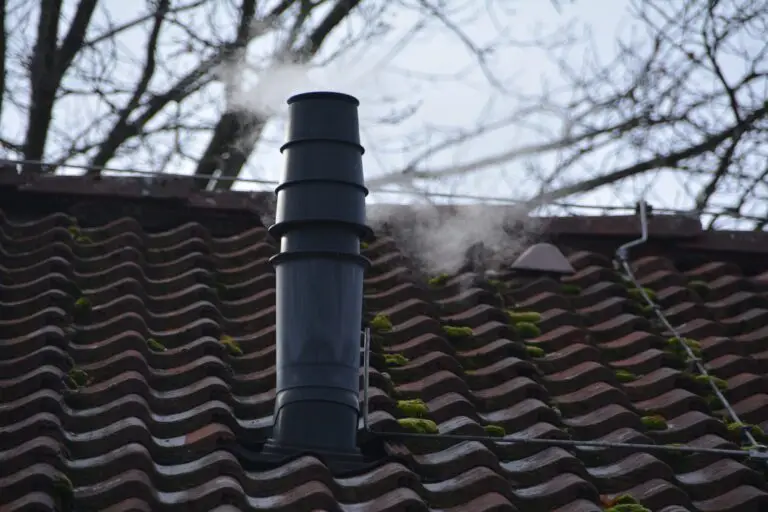
If you burn wood or gas, you need checks. L1 is a basic visual check. It covers parts you can reach and see. L2 is a deeper check with a camera and attic, crawl space, and roof checks. Pick L1 for routine yearly checks with no changes. Pick L2 after a fire, a storm, a house sale, or when you change the appliance.
What L1 and L2 mean, plain and simple
Think of your chimney like a pickup. L1 is a quick hood lift and a walk-around. L2 is the full scan with a scope, plus a look at the frame and tires. Both follow NFPA 211 rules used across the trade. The goal is safety, draft, and life span of the system.
What L1 covers
- Where we look: firebox, damper, smoke chamber, the visible flue from below, face, hearth, and the outside walls we can see without moving parts. If safe, we may view the crown and cap from the ground or roof edge.
- Tools we bring: bright light, mirror, tape measure, small brush, inspection camera for spot checks when needed, PPE, and drop cloths.
- What we check: blockages, soot and creosote, cracks, loose bricks or mortar gaps, rust on the damper, loose or missing cap, signs of water marks, draft issues.
- When to pick it: yearly, if you used the same fuel and appliance, had no problems, and made no changes. Good for homes that had no odd smells, smoke backup, or damage.
What L2 covers
- Where we look: all items in L1 plus attic, crawl spaces, and accessible parts of the chimney inside the home and on the roof. We also check clearances to wood framing where we can reach. We scan the entire flue interior with a video camera.
- Tools we bring: video scope with lighting, longer ladders, moisture meter, smoke pencil, mirror set, hand tools to open cleanout doors and panels, PPE, and drop cloths.
- What we check: hidden cracks, liner joint gaps, warping, prior fire marks, wrong liner size, blockages up high, crown and flashing, chase covers, and clearances near framing.
- When to pick it: after any known or suspected chimney fire, after a tornado or hail storm, if you change from open fireplace to insert or stove, when you buy or sell a home, or when smoke, odor, or draft issues show up.
Tools that make the check count
- Video scope: shows the flue walls from firebox to cap. It finds small gaps the eye can miss.
- Bright LED light and mirror: reveal soot glaze and chipped tiles.
- Moisture meter: spots damp brick, wood trim, or attic framing near the stack.
- Smoke pencil: shows where air pulls, leaks, or backdrafts.
- Tape and gauges: confirm clearances and size.
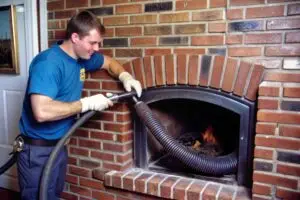
- PPE, drop cloths, and vacuum with HEPA: keep your home clean and safe during the visit.
Areas we check, from firebox to sky
- Firebox: bricks or panels, mortar joints, and cracks that can leak heat.
- Damper: opens and closes freely, no rust bonds, seals well when shut.
- Smoke chamber and shelf: smoothness, voids, and creosote build.
- Flue interior: tiles or liner condition, joint gaps, bends, offsets, and deposits.
- Exterior stack: brick, stone, or metal chase, cracks, spalling, stains.
- Crown, cap, and screen: keeps out rain and critters, lets gases vent.
- Flashing: seals where roof meets the chimney, no open seams.
- Attic and crawl spaces near the stack: look for heat marks, char, or gaps.
- Cleanout doors and ash pit: secure and clear.
When to pick L1 vs L2
- L1: every year you use the fireplace or stove and nothing changed. No smoke issues, no storms, no remodel. Think of it like your oil change and a quick look.
- L2: house sale or purchase, storm damage, chimney fire, change of fuel or appliance, new liner, new cap or crown work, visible cracks, odors, smoke backup, or weird drafts. This adds camera work and checks in the attic, crawl space, and roof.
Why the Dallas climate matters
North Texas swings from humid heat to quick cold snaps. Summer heat can dry out mortar and crowns. Then a storm on I-30 blows in hard rain that finds tiny gaps. Winter cold can make small cracks spread. Hail can dent caps and chase covers. Humid days can rust dampers and metal liners. These swings make steady checks smart so small fixes do not grow.
What we usually see in Dallas, TX
- Clay tile liners with cracked joints in older homes near Lakewood.
- Metal factory-built units with rusted caps in Oak Cliff after heavy rain.
- Crown cracks and loose flashing along homes near US-75 where wind funnels down the corridor.
Safety notes you should know
- Creosote can ignite at high heat. Even a thin glaze can flash when the burn gets hot.
- Birds, leaves, or a fallen tile can block the flue. That can push smoke and carbon monoxide back inside.
- Small cracks let heat reach wood framing. That wood can char over time.
What happens during an L1 visit
- Meet and greet, we ask about smoke, odors, and burn habits.
- We protect floors and nearby items.
- Visual checks of the firebox, damper, smoke chamber, and flue from below.
- Exterior look at the stack, crown, and cap from ground or roof if safe.
- We document what we see and share photos when helpful.
- You get a clear report with next steps if needed.
What happens during an L2 visit
- All steps in L1.
- We access the attic or crawl spaces to check clearances and nearby framing.
- We scan the full flue with a video scope, recording key sections.
- We check the roof area, flashing, crown, and cap close up when safe to do so.
- We measure liner size and compare with the appliance needs.
- You get a detailed report with images and clear findings.
How to prep your home for an inspection
- Do not use the fireplace or stove 24 hours before the visit so the system is cool.
- Move light furniture and rugs a few feet back.
- Clear items from the hearth. Pets in another room help the visit go smooth.
- If you had smoke issues, jot down when and what fuel you used. That clue helps.
Signs that call for L2 right away
- Loud whoosh or roar during a fire, a hot smell, or sooty flakes that look like burnt potato chips.
- New stains on the ceiling near the stack line.
- A cap blown off after a storm.
- Smoke that puffs into the room when you light a fire.
- A home sale is pending, and the buyer or lender needs proof of condition.
Troubleshooting steps
- If smoke backs up when you start a fire, then pre-warm the flue with a rolled newspaper, and call for L2 if it keeps happening.
- If you smell creosote like tar in hot weather, then check the damper is closed and schedule a check for deposits and a cap review.
- If the damper will not open, then do not force it, and book a visit to avoid bending or breaking it.
- If you see bits of tile or soot chunks on the hearth, then stop burning and book L2 with a camera scan.
- If rain drips in, then check for a cap from the ground, and call for repair if missing.
- If a carbon monoxide alarm chirps, then leave doors and windows open, step out, and call for service once safe.
Common myths and facts
- Myth: I burned only a few times, so I can skip checks. Fact: A few hot burns can still make deposits and small cracks.
- Myth: Gas logs are clean, no soot forms. Fact: Gas can still leave debris and moisture that can corrode parts.
- Myth: A cap is optional. Fact: A good cap keeps out water and birds, and helps the flue breathe right.
- Myth: If I do not see damage, it is fine. Fact: Many faults hide inside the flue or in the attic.
How weather hits chimneys in Dallas
- Heat: expands brick and metal. Gaps open. A summer thunderstorm then sends water into those gaps.
- Cold snaps: small cracks grow when water inside freezes.
- Wind: strong gusts near open lots can lift caps and loosen flashing.
- Humidity: raises rust risk for dampers and liners. Keep parts dry and vented.
Care schedule you can follow
- Weekly during burn season: clean ash safely once cool, check that the damper opens and shuts, and look for odd smells.
- Monthly during burn season: check the cap from the ground, make sure screens are in place, test carbon monoxide alarms.
- Yearly: L1 if no changes and no issues. L2 if you moved, had storms, updated the appliance, smelled strong creosote, or had smoke backup.
How L2 protects a home sale
Buyers and lenders in Dallas often ask for proof of chimney condition. An L2 report with images gives clear facts. It shows the flue walls, the crown, and the attic clearances. This helps both sides avoid last minute hiccups and gives you a record you can share.
Appliance changes that call for L2
- New insert or stove in an old fireplace.
- A switch from wood to gas or gas to wood.
- New liner or damper install.
- Rebuild of the crown or chase cover.
Why a camera scan matters
A camera finds hairline gaps you would never see from below. It shows offsets, cracked tiles, or a liner that is the wrong size. Think of it like a tiny robot scout. It shines light in tight bends where soot loves to hide.
Draft and airflow basics
Fire needs air. Your home, the flue, and the cap must work as a team. If a kitchen hood, bath fan, or a tight home pulls more air out than the flue can bring in, smoke can spill. A smoke pencil helps us see that tug of war and fix the root cause.
How water sneaks in and what stops it
Water is the main foe for brick stacks. It seeps into small cracks in the crown or mortar, then expands. Good flashing, a solid crown, and a capped top keep water out. We look for stains, salt deposits, and soft brick faces. Catch it early and you avoid bigger fixes later.
What builders used in Dallas homes
Many older homes near Lakewood used clay tile liners. Many newer places and townhomes use factory-built metal units. Both need care. Clay tiles can crack at joints. Metal units need caps and clearances kept in check. We are used to both styles across the area.
Prep tips for burn season
- Burn only dry hardwood. Wet wood smokes and makes more creosote.
- Keep fires small to medium. Huge fires stress parts and make more soot.
- Open the damper all the way when starting a fire. Warm the flue first on cold days.
How reports help you plan
You get photos and plain notes. We mark items as safe to use, needs maintenance, or unsafe to use until fixed. You can share this with buyers, insurers, or your remodel team. Clear info saves time and stress.
What L1 cannot see and why L2 fills the gaps
L1 looks only at what you can reach and see. It does not scan the full flue or attic clearances. If you want peace of mind after a storm or before a sale, L2 adds that camera view and attic checks so no hidden faults sit there and wait.
When storms roll through Dallas
Hail can dent chase covers and caps. High wind can shift a stack or pry at flashing. Heavy rain drives water sideways into small gaps. After a big cell moves along Central Expressway or across Oak Cliff, a quick roof and cap glance is smart. If you see damage, pick L2.
Fire safety reminders
- Keep a metal screen in front of the fireplace while burning.
- Never leave a fire alone.
- Store wood outside, off the ground, and dry.
- Keep a fire extinguisher nearby and test alarms twice a year.
FAQs
Q: What is the difference between L1 and L2 chimney checks?
A: L1 is a visual check of parts you can reach. L2 adds a video scan of the full flue and checks in the attic, crawl spaces, and roof.
Q: How often should I get my chimney checked in Dallas?
A: Once a year. Pick L1 if nothing changed and no issues popped up. Pick L2 after storms, a house sale, or any new smoke or odor issue.
Q: Do gas logs need checks too?
A: Yes. Gas can leave residue and moisture. It can corrode parts and cause draft problems if vents are blocked.
Q: When do I need a camera scan?
A: When you buy or sell, after a chimney fire, after big storms, or if you see tile pieces, smell heavy creosote, or have smoke issues.
Q: Can I use my fireplace if I see a small crack?
A: Stop and get it checked. Small cracks can leak heat to framing. Better safe than sorry.
Q: What if my roof is steep?
A: We use proper ladders and gear. If a roof is unsafe to access, we use camera tools from below and other access points.
Q: Will the visit make a mess?
A: We use drop cloths and HEPA vacuums. We aim to leave the room as clean as we found it.
Q: Do I need L2 when I switch to an insert?
A: Yes. A new insert needs the right liner size and clearances. L2 confirms the path is clear and safe.
Q: What standards do you follow?
A: We follow NFPA 211 guidance for chimney checks and safety.
Q: Can weather cause smells in summer?
A: Yes. Humid days can pull creosote odors into the room. A cap, clean flue, and good draft help reduce that.
Ready to schedule?
Ready for a clear, friendly chimney check in Dallas? SafeFlue Chimney Sweep & Repair can help with L1 or L2 inspections, camera scans, cleanings, and repairs that keep smoke moving and water out. Call us at (214) 441-6336 or visit https://safefluechimneysweepandrepair.com to book. We keep your fireplace happy, your home safe, and your weekends free.