

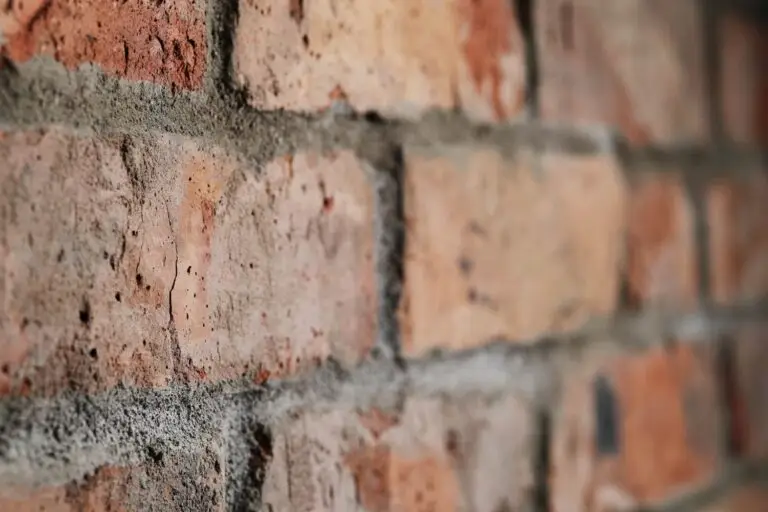
If your chimney mortar looks rough, the right fix depends on how far the damage goes. Tuckpointing is often a surface touch-up for looks and small wear. Repointing is full-depth joint work when mortar is weak or missing. A rebuild is for loose bricks, leaning sections, or wide cracking that points to a bigger problem. A few simple tests can tell which path fits your chimney best.
Why mortar problems happen in the first place
Think of mortar as the chimney’s shock absorber. Bricks are tough. Mortar is softer on purpose. It takes the beating from wind, sun, and rain so the brick does not have to.
Over time, mortar can dry out, crack, or wash away. Then water gets in. Once water gets in, it is like letting a tiny troublemaker move into your walls and invite friends.
Common causes include:
- Age and normal wear
- Rain soaking the chimney, then drying in hot sun
- Small chimney shifts from soil movement
- Poor past repairs, like using mortar that is too hard
- Smoke and heat cycling inside the flue, which can stress the structure
Dallas weather can speed this up
Dallas gets long hot stretches, then storms that dump heavy rain fast. That cycle can chew up mortar joints. After a downpour, the sun comes back like it owns the place, and the chimney dries fast. That fast wet to dry swing can open small cracks over time.
Cold snaps also matter. Even if freezes are not constant, a few hard freezes can push water in joints to expand. That can pop mortar and even crack brick faces.
Tuckpointing, repointing, and rebuild, what each really means
People mix these terms up all the time. You are not alone. Even some folks who “know a guy” use them like they mean the same thing.
What tuckpointing is
Tuckpointing is a method that often targets the look of mortar joints and small surface wear. The goal is a clean, neat joint line. In many cases, it is not full-depth joint removal. Learn more about Chimney Repointing and how it differs from surface work.
Tuckpointing often fits when:
- Mortar is mostly solid
- Cracks are hairline and shallow
- The problem is small gaps at the outer edge of the joint
- The main issue is looks, not strength
Picture it like touching up paint chips on a truck. It can look better and help a bit, but it is not the same as replacing a rusty panel.
What repointing is
Repointing means removing weak mortar to a proper depth, then packing in new mortar that matches the brick and the old mortar style. This is real repair work, not makeup. If you want a closer look at how a pro evaluates joints, see Chimney Inspection.
Repointing often fits when:
- Mortar is soft, sandy, or missing in spots
- Joints are cracked beyond the surface
- You can see gaps that could let water in
- Bricks are still in good shape and still tight
If tuckpointing is a bandage, repointing is stitches.
What a rebuild is
A rebuild is when part of the chimney is taken down and rebuilt. It can be a partial rebuild, like the crown and top courses, or a larger section. For related work that often ties into structural needs, visit Chimney Rebuilding.
A rebuild often fits when:
- Bricks are loose or shifting
- The chimney leans or bows
- There are wide stair-step cracks in the brickwork
- Past patch jobs failed and the structure is not stable
- Spalling bricks are widespread, meaning brick faces are breaking off
A rebuild is like swapping a worn tire, not just adding air.
Fast “at-home” checks that tell you what you are dealing with
You do not need a lab coat. You need good eyes, a flashlight, and a little patience. If you are getting on a roof, keep safety first. A fall is not worth a closer look. Use binoculars from the ground if needed.
Check 1, the finger rub test on mortar
From a safe spot, rub the mortar joint with a finger. If it turns to sand or flakes off easily, that points to repointing or more.
What it suggests:
- Slight dust only, tuckpointing may be enough in small areas
- Crumbling or chunks, repointing is likely
Check 2, the screwdriver scrape test
Gently scrape mortar with a screwdriver. Do not go wild. You are testing, not mining.
What it suggests:
- Only surface scratches, mortar is still strong
- You can dig in easily, joints need real repair
Check 3, look for gaps that go into the joint
Surface cracks look like pencil lines. Deeper gaps look like little shadow lines you can see into.
What it suggests:
- Tiny surface lines, tuckpointing might work
- Deep cracks or voids, repointing is the better match
Check 4, check brick faces for spalling
Spalling looks like the brick face is peeling or breaking off. You may see rough patches or missing corners.
What it suggests:
- A few bricks only, spot brick replacement plus repointing may work
- Many bricks, rebuild of that section is often the safer fix
Check 5, watch for “stair-step” cracks
These cracks follow mortar joints in a step pattern. They can point to movement. For general background on cracking patterns, see https://en.wikipedia.org/wiki/Brickwork.
What it suggests:
- Small and old, a mason can assess if repointing is enough
- Wide or growing, rebuild may be needed
Check 6, check for water stains inside
Look in the fireplace firebox and around the hearth area. White staining on masonry is called efflorescence. It is a sign that water is moving through masonry.
What it suggests:
- Small staining, fix mortar and water entry points soon
- Heavy staining, you may have ongoing water entry that needs more than a patch
Simple troubleshooting steps that map the fix to the damage
Use this like a quick guide. A pro inspection still matters, but this can keep you from guessing. If you need an expert set of eyes, start with Chimney Inspection.
- If mortar has hairline cracks only on the surface, then tuckpointing may be enough for small areas.
- If mortar crumbles when rubbed or scraped, then repointing is usually the right move.
- If joints are missing mortar deeper than a thumbnail, then repointing is usually needed.
- If bricks are solid but joints are weak across large areas, then repointing is often the best fit.
- If bricks rock when pushed, then a rebuild of that section may be needed.
- If you see a lean, bow, or separated corners, then rebuild is often needed before patch work.
- If spalling bricks are spread out on the chimney, then rebuild or partial rebuild is often the better repair.
- If the chimney top is breaking down near the crown and top rows, then a partial rebuild at the top may be needed.
The real “tell” is depth, not just looks
A chimney can look fine from the driveway and still have joints that are weak under the surface. Mortar can harden on the outside and stay soft behind it. That is why surface-only patching can fail fast.
Good repair matches the problem:
- Surface wear, surface fix
- Deep joint loss, deep joint repair
- Loose structure, rebuild
It is like fixing a fence. If the paint is peeling, you repaint. If posts are rotting, you replace posts. If the whole fence is leaning like it had a long night, you rebuild the bad section.
What we usually see in Dallas, TX
In Dallas homes, we often see mortar joints drying out faster on the sunny side of the chimney. After heavy storms, water gets into small cracks near the top, then heat bakes the chimney again. Chimneys near older brick homes and mid-century builds can show past patch jobs that do not match the original mortar, which can lead to new cracking. For related masonry work, see Masonry Repairs.
You may also spot more wear on chimneys near busy roads like I-635 where wind and grit can be harsher, and in neighborhoods with mature trees where shade and damp air can hold moisture longer.
When tuckpointing makes sense, and when it is just a “band-aid”
Tuckpointing can be helpful when used the right way. It can seal tiny surface cracks and improve the look of joints.
Tuckpointing is a good fit when:
- The chimney is structurally sound
- Mortar is still firm when tested
- The damaged area is small and mostly cosmetic
- You want to tidy up joint lines after minor weathering
Tuckpointing is a poor fit when:
- Mortar is soft under the surface
- Joints have deep gaps
- Water has been entering for a long time
- Bricks are loose, shifting, or spalling in many spots
If the problem is deeper, tuckpointing can trap moisture behind a thin surface layer. That can make the next failure come sooner.
When repointing is the right call
Repointing is the workhorse fix for a lot of chimneys. It restores the joint strength and helps block water entry. Learn more about this service at Chimney Repointing.
Repointing is a good fit when:
- The bricks are still sound
- The chimney is not leaning
- Mortar loss is clear and deeper than surface cracks
- You see gaps around flashing lines or near the top courses
- You want a long-term repair without tearing down sections
A key detail is mortar match. Mortar should match the brick type and existing masonry needs. Mortar that is too hard can damage bricks over time, since the brick becomes the softer part.
When a rebuild is the safer option
Some damage is not a “patch it” job. If the structure is moving, you want stability first.
A rebuild is often needed when:
- The chimney has a noticeable lean
- Corners are separating
- Bricks move when touched
- Cracks are wide and run through many rows
- Spalling is widespread
- Past repairs keep failing in the same area
Partial rebuilds are common at the top of the chimney. That is where weather hits first. A top rebuild can fix failing brickwork, then allow proper crown and waterproofing work to help it last. If you are dealing with top-side damage, see Chimney Crown.
Small safety notes, because gravity never sleeps
- Do not climb on a steep roof without the right gear and training.
- Do not push hard on loose bricks, they can fall.
- If you smell strong smoke odor in walls or attic, stop using the fireplace and get it checked.
- If you see cracks inside the firebox or in the flue area, get a pro inspection before using the fireplace again.
No scare talk. Just common sense. A chimney is heavy, and it sits above your living room.
Common myths and facts people hear at the hardware store
Myth: If you caulk the cracks, you fixed it.
Fact: Caulk can fail fast in sun and heat, and it does not restore joint strength.
Myth: Any mortar mix works fine.
Fact: Mortar needs to match the brick and the job. The wrong mix can lead to brick damage.
Myth: If the outside looks okay, the inside is okay too.
Fact: Water and heat can damage joints where you cannot see them.
Myth: A little lean is normal for old chimneys.
Fact: Any lean should be checked. Movement can get worse over time.
How long each fix tends to hold up
Life span depends on weather, chimney exposure, and workmanship. Still, you can think in ranges.
- Tuckpointing can last when used for minor surface issues and paired with water control.
- Repointing can last many years when joints are properly cleaned out and filled.
- Rebuild work can last a long time when the base issue is fixed and water entry is controlled.
The big secret is water. Control water and you control most chimney decay.
Water control that helps mortar last longer
Mortar repair is part of the story. Water management is the rest.
Key items that help:
- A sound chimney crown with no cracks
- A cap that helps keep rain and critters out
- Flashing that stays tight where chimney meets roof
- Proper slope and drip edges at the crown
- Breathable water repellent made for masonry, when appropriate for the chimney type
If water keeps getting in, even great mortar work can wear out early. If you suspect water entry points, visit Chimney Leaks and Chimney Flashing Repair & Replacement.
Care schedule you can actually follow
You do not need a 47-step routine. Keep it simple.
Weekly during fireplace season
- Look for new water stains in the firebox area.
- Notice smoke draft changes. If it suddenly drafts poorly, stop and get it checked.
Monthly
- From the ground, scan the chimney with binoculars.
- Look for fresh cracks, missing mortar, or a cap that looks out of place.
- Check the attic near the chimney chase for musty smells or staining, if you can do so safely.
Yearly
- Get a professional chimney inspection.
- Sweep the flue as needed based on use. Learn about Chimney Sweep.
- Check crown, cap, flashing, and masonry joints.
- After big storms, do a quick visual check from the yard.
How to talk with a chimney pro without feeling like a rookie
You can ask simple questions that get clear answers.
Try these:
- “How deep is the mortar damage, surface only or full depth?”
- “Are any bricks loose when you test them by hand?”
- “Is the chimney plumb, or is there any lean?”
- “What is letting water in, crown, cap, flashing, or joints?”
- “Will the repair match the existing mortar type?”
A good pro will explain it in plain words, not in a cloud of mystery.
A quick Dallas example you might relate to
A homeowner near Lake Highlands noticed little white streaks on the brick after storms. He thought it was just “rain marks.” After a closer look, the mortar near the top scraped out like wet sand. Repointing fixed the joints, then crown repairs helped stop new water entry. The stains faded over time, and the chimney stopped shedding grit onto the roof.
It is rarely just one thing. It is often joints plus water entry points working as a team, like two guys trying to carry your TV out the front door.
FAQs
What is the main difference between tuckpointing vs repointing?
Tuckpointing is often a surface-level joint refresh for small wear and looks. Repointing removes weak mortar to a proper depth and replaces it, which restores joint strength and water resistance.
How do I know if my chimney needs repointing or a rebuild?
If the mortar is weak but bricks are tight and the chimney is straight, repointing is often enough. If bricks are loose, the chimney leans, or large cracks run through sections, a rebuild of the damaged area is more likely.
Can I repoint a chimney myself?
Small touch-ups are possible for handy homeowners, but full repointing is hard to do right. Mortar match, joint prep, and safe access matter. Bad repointing can damage brick or trap moisture.
Is cracked mortar a big problem if my fireplace still works?
Yes, it can be. Your fireplace can still run while water is getting into the chimney. Cracked mortar can also allow hot gases to reach areas they should not. A chimney inspection can tell what is going on. For general fire safety guidance, see https://www.usa.gov/.
What time of year is best for mortar repair in Dallas?
Milder weather helps mortar cure well. Hot, dry days can make mortar dry too fast if not handled right. A pro can work around seasons by managing moisture and cure time.
Does chimney waterproofing replace repointing?
No. Water repellent can help shed rain, but it cannot restore missing or weak mortar. Fix the joints first, then talk about water protection if it fits the chimney.
What parts of the chimney fail first?
The top often takes the worst beating. The crown, cap area, and top courses see the most rain and sun. Joints near the roofline can also fail if flashing leaks.
How long does it take to spot new mortar problems after a storm?
Some signs show up fast, like fresh stains or damp smells. Joint cracking can be slow. After heavy storms, do a quick visual check from the ground within a day or two.
Schedule service with SafeFlue Chimney Sweep & Repair
SafeFlue Chimney Sweep & Repair helps homeowners in Dallas, TX choose the right fix, whether that is tuckpointing, repointing, or a partial rebuild, so your chimney stays solid and ready for use.
Call (214) 441-6336 or visit https://safefluechimneysweepandrepair.com to schedule service and get clear answers that match your chimney’s real condition. You can also reach the team via Contact Us.