

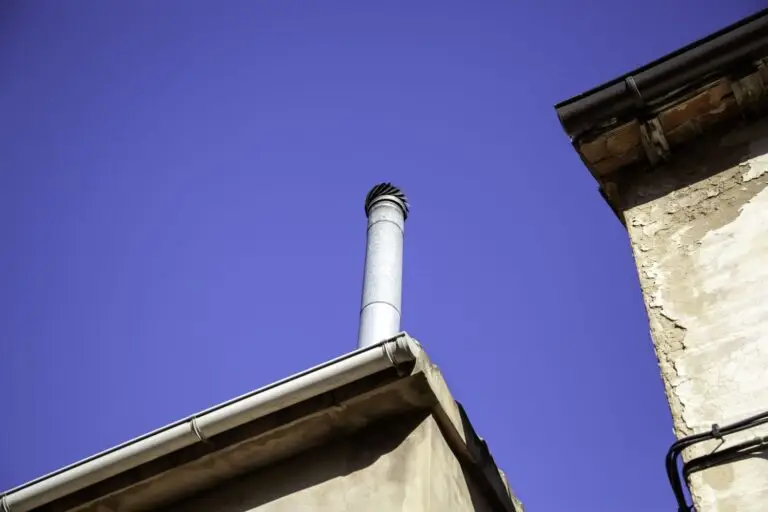
Picking between Class-A chimney pipe and B-vent is like picking the right shoes for the job. Work boots for rough work, sneakers for a jog. Class-A is made for hot exhaust from wood and many pellet setups. B-vent is made for many gas appliances that run cooler. Match the vent to the appliance, then match the install to your house, and you will get safer draft, cleaner burning, and fewer headaches.
Start with the plain difference
Let’s keep it simple.
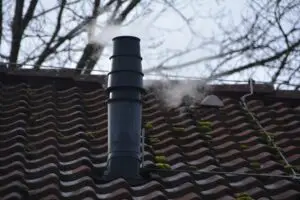
Class-A chimney pipe is a factory-built chimney that handles high heat. It has an insulated wall, usually two walls, sometimes three. It is often used for wood stoves, wood fireplaces, and some pellet appliances when the maker calls for it.
B-vent is a metal vent pipe system for many gas appliances that use natural draft. It is not made for wood smoke or creosote. It is usually a double-wall pipe with an air space, not the same insulation you get with Class-A.
If you remember one thing, remember this line I once heard on a job, “Hotter exhaust needs a tougher road to travel.” That “tough road” is usually Class-A.
Why the vent type matters more than people think
Venting is not just a tube that sends smoke outside. It affects:
- Draft, how well the appliance pulls air and exhaust
- Safety, keeping hot gases away from wood framing
- Performance, how steady the flame stays
- Maintenance, how fast soot or creosote builds up
- Indoor air, less smoke smell, fewer backdraft problems
When venting is wrong, you can get a lazy burn, smoke roll-out, pilot outages, or a house that smells like last night’s campfire. Nobody wants their living room to act like a fire ring at a tailgate.
If you want a professional check of draft and venting alignment, start with a Chimney Inspection, and if buildup is part of the issue, schedule a Chimney Sweep.
What Class-A chimney pipe is, in plain words
Class-A chimney pipe is a listed, insulated chimney system. It is made to handle high flue temps. Wood appliances can send flue gases out that get very hot, and they can spike hotter during a chimney fire. That is why insulation and clearance rules matter.
You will often see Class-A used when:
- A wood stove vents up through the ceiling and roof
- A freestanding wood stove vents out a wall, then up the exterior
- A factory-built wood fireplace uses a listed chimney system
- A pellet appliance calls for a chimney system once it ties into a vertical run
Key idea: Class-A is about heat control and safe clearances.
Common Class-A parts you may hear about
Homeowners often hear these terms and feel like they walked into a spaceship manual.
- Support box or ceiling support: holds the weight where it passes through a ceiling
- Firestop: keeps the right clearance where the pipe passes a floor or attic space
- Storm collar and flashing: seals the roof opening from rain
- Cap: helps keep rain, pests, and debris out, and helps with draft
If water entry or staining is part of the situation, a focused check for Chimney Leaks can help connect symptoms to the right fix.
What B-vent is, in plain words
B-vent is a listed vent system for many gas appliances. It is usually used with natural draft gas units, where the warm exhaust rises on its own. B-vent keeps the flue gases warmer than single-wall connector pipe, which helps draft. It also reduces the clearance needed compared to single-wall in many cases, but the clearance rules still matter.
You will often see B-vent used for:
- Some gas fireplaces
- Some gas water heaters
- Some older style gas furnaces
- Some gas logs with a listed vented setup
Key idea: B-vent is for gas appliances that make flue gases that are not as hot as wood smoke, and the vent is built for that job.
A quick word on “direct vent” and “vent-free”
Not all gas appliances use B-vent.
- Direct vent units often use a coaxial pipe, one pipe in another, pulling air in and pushing exhaust out. That is a different system.
- Vent-free gas units do not vent outside. They have strict rules and room needs.
If your gas unit is direct vent, B-vent is not the right match.
Match the vent to the fuel, wood, gas, or pellet
Here is the simple matching chart people wish they had before they bought parts.
Wood stoves and wood fireplaces
Most wood setups need Class-A chimney pipe for the chimney section. Inside the room, you may have a stove connector pipe that connects the stove to the chimney. That connector can be single-wall or double-wall, based on the manual and clearances.
Wood smoke also carries creosote, which is a sticky fuel that can build up. B-vent is not made for that.
Plain rule: Wood almost always points to Class-A for the chimney.
If you need repairs tied to the chimney system itself, review options for Chimney Repair and Chimney Flue Repair.
Gas fireplaces, furnaces, and water heaters
Many natural draft gas appliances use B-vent. Some use masonry chimneys with liners. Some use special venting systems. The appliance label and manual matter.
Gas exhaust is different from wood smoke. It can also bring water vapor. That vapor can condense in cool vent sections and cause rust if draft is poor.
Plain rule: Many gas units use B-vent, but some use other vent systems. Match the manual.
Pellet stoves and pellet inserts
Pellet appliances often use pellet vent, sometimes called “Type L” vent. Some pellet setups connect into a listed chimney system, depending on layout and maker rules.
Pellet exhaust temps are often lower than wood, but the exhaust can still be hot enough to need the right materials and clearances. Pellets also make fine ash that can collect in elbows and caps.
Plain rule: Many pellet units use pellet vent, sometimes Class-A is used for vertical chimney sections when required.
Clearances, the space that keeps you out of trouble
Clearance means the space between the vent and anything that can burn, like wood framing, drywall paper, and insulation.
- Class-A systems often need a set clearance, many are 2 inches, but you must follow the listing for that brand and model.
- B-vent also has clearance rules. It still gets hot, just not the same as a wood chimney.
A small gap can feel silly until you see what repeated heating does to wood over time. Heat can dry wood out. Dry wood can char at lower temps later. It is like toasting bread. It starts pale, then one day you look away and it turns dark fast.
Draft basics, why smoke goes up, until it doesn’t
Draft is the pull that moves exhaust out. Good draft needs:
- Warm flue gases
- A flue that is the right size
- A path with fewer sharp turns
- Enough chimney height
- Proper air supply for the appliance
Wrong vent type can hurt draft. So can a cap clogged with soot. So can a flue that is too large, where gases cool too fast.
A homeowner once told me, “It worked fine last winter.” That is common. A setup can be right on the edge, then weather, wind, or a dirty cap pushes it over the line.
Dallas, TX weather, and how it plays into venting
Dallas weather keeps venting interesting.
- Summer heat can bake roof sealants and flashing. Small gaps can turn into leaks after a season of sun.
- Heavy rains and fast storms can push water into weak spots around caps and flashing.
- Cold snaps do happen. When the flue is cold, draft starts slower, and gas exhaust can condense more.
- Humidity swings can speed rust on metal vent parts, mainly if exhaust is cooling and condensing inside.
If your venting is on an exterior wall, it can cool faster in winter and during cold rain. Cooler flue walls can mean weaker draft and more condensation.
What we usually see in Dallas, TX
In neighborhoods with older brick homes near areas like Lakewood and around older corridors like Northwest Highway, we often see a mix of older masonry chimneys and newer appliance swaps. A few patterns show up a lot:
- Gas units tied into old chimneys with liners that are missing or past their prime
- Wood-burning fireplaces converted to gas, but the old flue setup never got checked
- Exterior metal chimneys that cool fast, leading to draft complaints and more buildup
- Caps that are bent or rusted after wind and storm seasons
If you live in a two-story home with a tall chase, or a one-story home with a low roofline, the venting needs can change. Height and location matter.
When Class-A is the better fit
Class-A usually fits when you have:
- A wood stove, wood insert, or wood fireplace that vents through a listed chimney
- A need to run a chimney through an attic space safely
- A long vertical run where keeping heat in the flue helps draft
- A setup where clearances to framing are tight and you need listed parts that meet the rules
Class-A can cost more than basic pipe, but it is built for the job. Think of it like a cooler built to keep ice all day, not a paper cup with a lid.
When B-vent is the better fit
B-vent often fits when you have:
- A natural draft gas appliance listed for Type B gas vent
- A vertical run that stays warm enough to draft well
- The right clearances and support parts
- A layout where the appliance is not direct vent
B-vent is common, and when it is used right, it works well. The key is that it is not a “universal vent.” It is a “gas vent.”
Can you mix them
People ask, “Can I connect this pipe to that pipe?”
Sometimes systems can connect, but only with the right listed adapters and only when the appliance and vent systems allow it. Brands and listings matter. This is not like mixing Lego bricks.
Simple rule: Do not mix vent systems unless the appliance manual and the vent maker allow it, and you have the right listed parts.
Common install mistakes that cause big problems
These are issues we see again and again.
Using the wrong vent for the fuel
- B-vent on wood smoke leads to creosote issues and unsafe temps.
- Class-A used where the gas unit needs a different listed vent can lead to poor draft or code issues.
Wrong sizing
A flue that is too small can choke the appliance. Too large can cool gases too fast. Either can cause draft trouble.
Too many elbows
Every turn adds resistance. Two 90-degree elbows can act like a speed bump for exhaust.
Bad termination
Caps too close to roof surfaces, or too near walls, can cause wind issues. Caps clogged with soot can also cause smoke spillage.
For cap-related concerns, see Chimney Cap Installation & Repair or Custom Chimney Cap.
Missing supports and firestops
Gravity always wins. Chimneys are heavy. Support parts are not “extras,” they are part of the system.
Leaks at flashing
A small roof leak can rot decking over time. Then a vent job turns into a roof patch job too. Nobody orders that surprise.
If the leak point is at the roofline, review Chimney Flashing Repair & Replacement.
Simple troubleshooting steps that point to the right vent or the right fix
Use this as a plain checklist. It is not a replacement for a pro check, but it helps you talk through the problem.
- If you burn wood and see black flaky buildup, then ask about a Class-A chimney and a sweep, creosote is likely.
- If a gas appliance smells odd and the flame looks weak, then stop using it and get it checked, draft or vent sizing may be off.
- If smoke comes into the room when you open the stove door, then warm the flue, check chimney height, and check for cap blockage.
- If you see water stains near the chimney chase or ceiling, then check flashing, storm collar, and cap fit.
- If you hear metal popping a lot during use, then clearances may be tight or parts may be expanding against framing.
- If your pellet stove trips or soots up fast, then clean the vent path, check elbows, and confirm the vent type matches the manual.
A few quick myths and the real story
Myth: “B-vent is fine for wood if it is metal.”
Fact: Wood exhaust can be much hotter and carries creosote, B-vent is not made for that use.
Myth: “If smoke rises, any pipe that goes up will work.”
Fact: Draft depends on heat, size, height, and the right listed system.
Myth: “A taller chimney always fixes draft.”
Fact: Height helps, but blockages, sizing, and negative air pressure in the house can still cause trouble.
Myth: “Gas vents never need cleaning.”
Fact: Gas vents can corrode, loosen, and get blocked by nests. They still need checks.
Maintenance plan that normal people can follow
You do not need to babysit your chimney. You just need a rhythm.
Weekly, during heavy use
- Look for new smoke smell in the room.
- Check the appliance door gasket and latch feel.
- For wood and pellet units, watch for weaker draft or harder starts.
Monthly
- Look outside at the cap from the ground, check for visible blockage or damage.
- For pellet units, clean ash traps and the vent sections the maker lists.
- Check ceilings and walls near the vent path for new stains.
Yearly
- Get a professional inspection and cleaning based on the appliance type and use.
- Ask for a check of clearances, supports, and termination height.
- Ask if the vent system matches the appliance listing, mainly if the unit was installed by a prior owner.
If you use wood daily in winter, you may need more than one cleaning a year. If you only burn on holidays, you may need less. Use what you see and smell as clues.
Picking the right system for your house layout
Two homes can have the same stove and still need different vent parts.
Through the roof
A straight vertical run often drafts best. Class-A through the roof is common for wood. For gas, B-vent often runs vertical through the house.
Out the wall and up
Wood stoves can vent out a wall with the right wall thimble and then rise on the outside with Class-A. Exterior runs cool faster, so draft can be weaker in cold or wet weather.
Inside an old masonry chimney
Sometimes a liner is the right move. A wood insert often needs a stainless liner sized to the insert. Gas units may also need a liner, based on the appliance and the chimney.
If your home has an older fireplace, do not guess what is hidden in the smoke chamber or flue. A camera scan can save a lot of guesswork.
Safety notes without the scare talk
- If you smell exhaust indoors from a gas appliance, stop using it and get it checked.
- Do not run a wood stove with a known cracked flue or missing parts.
- Do not cover up clearance gaps with insulation or wood trim.
- Use the appliance manual as the rulebook, not a forum post from 2009.
For general safety background on carbon monoxide, see CDC: Carbon Monoxide.
FAQs
Can I use B-vent for a wood stove
No. B-vent is for many gas appliances, not wood smoke. Wood setups usually need a listed chimney system like Class-A, based on the stove manual.
Is Class-A chimney pipe the same as double-wall stove pipe
No. Double-wall stove pipe is usually connector pipe inside the room. Class-A is the listed chimney system used for passing through ceilings, attics, and roofs in many wood installs.
What vent do most gas fireplaces use
It depends on the model. Some use B-vent, some use direct vent, and some use other listed systems. Check the rating plate and manual.
Do pellet stoves need Class-A chimney pipe
Many pellet stoves use pellet vent, often Type L vent. Some installs tie into a listed chimney system for vertical sections. The manual will say what is allowed.
Why do I get water dripping from my vent or chimney
Condensation can happen when flue gases cool too fast. Rain entry can also happen if the cap or flashing is damaged. A vent inspection can sort out which one it is.
How do I know if my chimney pipe is Class-A
Look for labeling on the pipe sections, and check the brand and model. Class-A will be listed as a high-temp chimney system, and it will have specific support and clearance parts.
How often should I have my chimney cleaned in Dallas
It depends on use and fuel. Wood setups often need at least yearly service, sometimes more with heavy burning. Gas vents still need checks for rust, loose joints, and blockages.
Can a wrong vent cause backdraft in my house
Yes. Wrong sizing, poor height, blockages, or the wrong vent type can all hurt draft. So can negative air pressure from kitchen fans and tight homes.
Schedule chimney and vent service in Dallas, TX
SafeFlue Chimney Sweep & Repair helps Dallas, TX homeowners match the right vent to the right appliance, then keep it working with inspections, cleanings, and repairs that support steady draft and safer use.
Call (214) 441-6336 or visit https://safefluechimneysweepandrepair.com to schedule service. For scheduling, use Contact Us.
For background on chimneys as a concept, see https://en.wikipedia.org/wiki/Chimney.