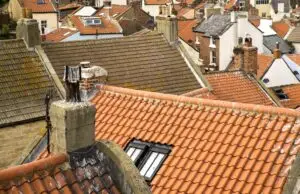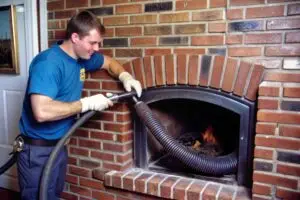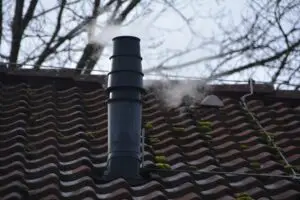


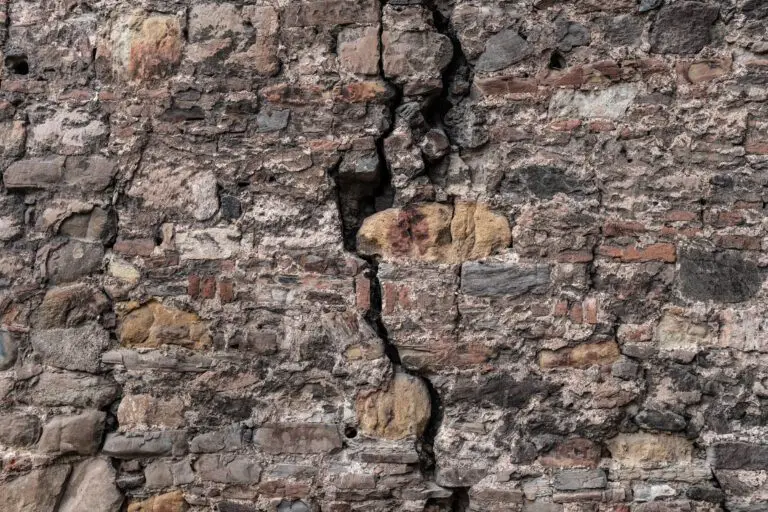
Hairline cracks can be harmless, but some cracks mean your chimney is moving, settling, or leaking water. A simple rule helps, thin surface lines that do not change are often low risk, while wide cracks, stair-step cracks, leaning brick, or new gaps around the flue can be urgent. If smoke smells stronger, water shows up, or bricks look loose, get a chimney inspection soon. Cracks are clues, not decorations.
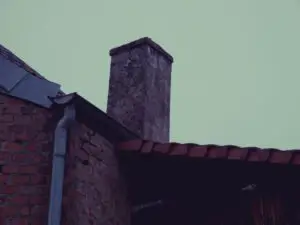
Why cracks show up in chimneys in the first place
Chimneys live a hard life. They sit outside all year. They bake in summer. They get soaked in rain. They cool off fast at night. They also get heated from the inside when you use the fireplace.
That hot and cold cycle makes masonry expand and shrink, like a sponge that keeps changing size. Mortar is the cushion between bricks, but it can dry out, crumble, and split over time.
Common causes include:
- Age and normal wear on mortar joints
- Water getting into tiny openings, then drying out and leaving gaps
- Soil movement under the home
- Strong winds and storms pushing on a tall stack
- Quick temperature shifts from fires, then cold air
A crack is your chimney’s way of saying, “Hey, something changed.” The trick is knowing if it is a small change or a big one.
If you want a professional baseline, schedule a Chimney Inspection with SafeFlue Chimney Sweep & Repair.
Hairline cracks, what they look like and what they mean
Hairline cracks are thin lines on the surface. Think “pencil line.” You may see them in mortar joints, in a thin coat of stucco, or in a concrete crown.
Many hairline cracks happen from normal shrinkage and mild weathering. They can look scary at first, like your chimney got in a bar fight. But if they stay the same size and there are no other warning signs, they often stay in the “watch it” group.
Hairline cracks are more likely harmless when:
- The crack is very thin, and you can barely catch it with a fingernail
- The bricks on both sides still line up
- No pieces are flaking off
- No water stains show up inside the firebox or on nearby walls
- The crack does not get longer or wider over time
Still, “often harmless” is not the same as “ignore forever.” Water loves tiny cracks. Water is sneaky. It is like that friend who says, “I will only stay a minute,” then eats all your chips and camps out on your couch.
When hairline cracking shows up at the top, it can relate to crown wear, and a Chimney Crown check can help confirm what you’re seeing.
Structural cracks, what they look like and when it gets urgent
Structural cracks suggest movement, settling, or pressure that the masonry cannot handle. These cracks can mean parts of the chimney are no longer working as a tight, stable stack.
Structural issues matter because a chimney is not just brick. It is a venting system for smoke, heat, and gases. If the structure shifts, it can open gaps that let heat reach wood framing, or let smoke leak where it should not.
Red flags that can mean urgency:
- Cracks that are wide, or getting wider
- Stair-step cracks running along brick and mortar like a set of jagged stairs
- A crack that runs through bricks, not just mortar
- A chimney that looks like it is leaning, bulging, or twisting
- Missing mortar, loose bricks, or bricks that wiggle
- Gaps around the flue tile, crown, or flashing
- New cracks after a storm, or after foundation work
If you see these, move faster. A pro inspection can tell if it is surface wear or real movement.
For next steps, review Chimney Repair options that match the cause, not just the crack you can see.
Chimney areas where cracks matter most
Not all cracks carry the same risk. Location is a big deal.
The chimney crown
The crown is the sloped top cap that helps shed water. Cracks here can act like funnels. Water gets in, runs down, and starts breaking things from the top down.
Watch for:
- Spiderweb cracks across the top
- Chunks missing at the edges
- Gaps where the crown meets the flue tile
Learn more about crown concerns here: Chimney Crown.
Mortar joints and brick faces
Mortar is meant to be the “soft” part that takes the stress. Hairline mortar cracks can be normal. Missing mortar or deep gaps are not.
Watch for:
- Mortar that turns sandy when you touch it
- Joints that look recessed and washed out
- Bricks that look split or flaked
If mortar loss or brick damage is showing, related services may include Chimney Repointing or Chimney Brick Repair.
The firebox and smoke chamber
Cracks inside the firebox can change how heat moves. Some materials are made to handle heat, but gaps can still create risk if they open pathways to wood framing.
Watch for:
- Cracked firebrick or missing mortar between firebricks
- Pieces that fall out
- Strong smoke odor in rooms near the fireplace
If the concern is inside the fireplace, see Firebox Repair.
The flue liner and flue tiles
Flue tiles can crack from heat stress or age. Cracked liners can leak smoke and heat into areas that should stay cool.
This is not a DIY guessing game. A camera scan during an inspection can help find hidden damage.
More information is available through Chimney Flue Repair and Chimney Inspection.
Flashing where chimney meets roof
Flashing is the metal seal at the roof line. Cracks or gaps here often show up as leaks inside the home.
Watch for:
- Water spots in the attic near the chimney
- Stains on ceilings near the chimney chase
- Rusted metal edges or lifted shingles near the chimney
If water is suspected at the roof line, consider Chimney Flashing Repair & Replacement and review common Chimney Leaks causes.
A simple way to judge cracks, width, pattern, and change
You do not need fancy gear for a first look. You need a calm eye and a small checklist.
Width
- Hairline, usually low risk if stable
- Wider than a few millimeters, pay attention
- Wide enough to fit a coin edge, treat as urgent
Pattern
- Straight thin lines on a surface, often shrinkage
- Stair-step pattern, often movement in masonry
- Random cracks with loose brick, possible structural stress
Change over time
The best test is time. Mark the ends of the crack with a pencil and date it. Check again in a few weeks.
If it grows, it is telling you a story. Listen to it.
Water, the real troublemaker behind many chimney cracks
Most chimney damage in North Texas starts with water. Rain enters small gaps. Then heat dries it. Then rain returns. This cycle breaks mortar and brick over time.
When water gets behind brick faces, it can cause:
- Efflorescence, that white salty look on brick
- Spalling, where brick faces pop off like peeling paint
- Rusted damper parts and smoky odors
- Moldy smells in the firebox
If you spot water signs along with cracks, bump it up the priority list. You can also review Chimney Leaks and Chimney Flashing Repair & Replacement for common sources.
How Dallas weather makes cracks worse
Dallas weather can be a bit like a moody thermostat. Hot days, cool nights, big storms, and long dry spells all play a role.
- Summer heat can dry mortar and make it shrink and crack.
- Heavy rains can soak masonry, then the sun bakes it again.
- Cold snaps can cause water in small cracks to expand, making cracks grow.
- Humid stretches can keep masonry damp longer, feeding damage and staining.
If your home is near areas like Lake Highlands or you drive by older brick homes near Lower Greenville, you have seen the mix, classic brickwork plus tough weather. Chimneys take that same beating, just with fewer shade trees.
What we usually see in Dallas, TX
Across Dallas, many homes have brick fireplaces and tall roofline chimneys. Here are patterns we often run into:
- Cracked crowns on older chimneys after years of sun and storms
- Mortar washout on the windward side of the stack
- Flashing gaps after roof work or storm seasons
- Brick spalling tied to long term water entry
If you are near major routes like US-75, you also get more dust and grime on masonry. That does not cause cracks by itself, but it can hide early warning signs.
Troubleshooting steps you can do at home, safe and simple
You can do a quick check without climbing on the roof. Keep it simple. Safety first.
- If the crack is inside the firebox, then stop using the fireplace until it is checked.
- If the crack is on the crown or near the flue at the top, then plan an inspection soon, water risk is high.
- If you see stair-step cracking on the outside bricks, then treat it as possible movement and book a pro visit.
- If the chimney looks like it leans, then do not wait, schedule an inspection quickly.
- If you see white staining or flaking brick, then look for water entry and get it checked.
- If you notice a musty smell after rain, then suspect water getting in and ask for a chimney and flashing check.
- If a crack stays the same for months and there is no water staining, then keep watching and maintain on schedule.
If you want a quick “sanity check,” take photos from the same spot each month. Your phone can be your little detective.
When you’re ready, book a visit via Contact Us or start with a Chimney Inspection.
A few quick myths and the real story
Myth: “All cracks mean my chimney is about to fall down.”
Fact: Many thin surface cracks are normal aging, but some patterns do point to movement.
Myth: “If I do not see water, water is not a problem.”
Fact: Water can travel inside masonry and show up later, sometimes far from the entry point.
Myth: “Mortar cracks do not matter because the bricks are strong.”
Fact: Mortar is the glue and cushion. When it fails, bricks can loosen and shift.
Myth: “I can seal any crack with hardware store caulk and be done.”
Fact: The wrong sealant can trap water and make damage worse. Masonry needs the right materials and prep.
When a crack becomes a safety issue
No scare tactics here, just plain talk.
A chimney becomes a safety concern when cracks or gaps allow:
- Smoke to leak into living spaces
- Extra heat to reach wood framing
- Water to rot nearby structures
- Loose masonry to fall
Stop using the fireplace and get help if you notice:
- Smoke smell in rooms during use
- Backdrafting, smoke coming into the room
- Pieces of tile or brick in the firebox
- A damper that suddenly sticks after rain
- Birds or critters getting in, which can mean openings up top
If anything feels off, trust your nose and your eyes. A fireplace should not act like a campfire in your living room.
For general background on creosote and chimney fire risk, see https://en.wikipedia.org/wiki/Creosote.
What a chimney inspection can tell you that your eyes cannot
Many crack problems hide in places you cannot see from the ground.
A proper inspection can look at:
- Flue liner condition and hidden cracks
- Smoke chamber surfaces
- Crown slope and sealing around the flue
- Flashing and roof line seals
- Loose brick and mortar joint strength
- Signs of past chimney fires, or overheating damage
Think of it like checking the oil in a truck. You can guess, or you can pull the dipstick.
To schedule, start with Chimney Inspection or Contact Us.
Common chimney crack fixes, in plain language
The right fix depends on the cause. That is why inspections matter.
Possible repair paths include:
- Tuckpointing, removing damaged mortar and packing in new mortar
- Crown repair or rebuild, fixing the top surface so water sheds off
- Replacing spalled bricks, so weak brick does not keep crumbling
- Flashing repair, stopping roof line leaks that mimic chimney cracks
- Flue liner repair or replacement, when the liner is cracked or unsafe
- Waterproofing with proper masonry products, when the chimney is sound but needs better water resistance
A good repair should solve the cause, not just paint over the symptom. Depending on the diagnosis, services may include Chimney Repointing, Chimney Crown, or Chimney Flue Repair.
Care schedule that keeps small cracks from turning into big ones
Small habits beat big repairs. Here is a simple plan that most homeowners can stick to.
Weekly during fireplace season
- Look for new soot stains around the fireplace opening.
- Notice any new smoke smell when you are not using the fireplace.
- Listen for odd rattles at the damper on windy days.
Monthly
- Shine a flashlight into the firebox and look for missing mortar or loose firebrick.
- Check the wall and ceiling near the chimney for stains after rain.
- Walk outside and look up at the chimney from the yard, check for new gaps or missing mortar.
Yearly
- Schedule a chimney inspection, especially if you use the fireplace often.
- Get a chimney sweeping when soot or creosote builds up.
- Ask for a check of the crown and flashing, since water is the usual suspect.
If your chimney is older, or you have seen past leaks, keep the yearly check like a standing appointment.
For inspection and routine maintenance, explore Chimney Sweep and Chimney Inspection.
FAQs
What is the main difference between hairline cracks and structural cracks?
Hairline cracks are thin surface lines that often come from normal aging. Structural cracks tend to be wider, show stair-step patterns, or come with leaning, loose brick, or gaps that point to movement or damage.
Are cracks in chimney mortar normal?
Small mortar cracks can happen with age and weather. Missing mortar, sandy joints, or deep gaps are not normal and should be checked.
When should I stop using my fireplace if I see cracks?
Stop using it if cracks are inside the firebox, if pieces are falling, if smoke leaks into the room, or if you suspect liner damage. An inspection can confirm what is going on.
Can rain make chimney cracks worse?
Yes. Rain can enter tiny openings, then repeated wet and dry cycles break down mortar and brick. Water can also cause staining, odors, and rusted parts.
Do stair-step cracks always mean foundation problems?
Not always, but stair-step cracks often point to movement. That movement may be from soil settling, chimney settling, or weakened masonry. A chimney inspection can help narrow it down.
What does white powder on chimney bricks mean?
That white powder is often efflorescence, salts left behind after water moves through masonry. It is a clue that moisture is getting in.
Can I seal chimney cracks myself?
Small surface cracks might look easy, but the wrong product can trap moisture or fail quickly. It is better to get the crack checked first, then use the right repair method for masonry.
How often should a chimney be inspected in Dallas, TX?
A yearly inspection is a smart routine for most homes that use the fireplace. If you see new cracks, leaks, or odors, do not wait for the yearly visit.
SafeFlue Chimney Sweep & Repair helps homeowners in Dallas, TX sort out hairline cracks vs structural cracks with clear inspections, chimney sweeping, and chimney repairs that target the real cause, not just the visible line. If you want a pro to check your chimney, call (214) 441-6336 or visit https://safefluechimneysweepandrepair.com.
For additional home fire safety guidance, see https://www.ready.gov/home-fires.