


Buying a house with a fireplace can be a win, until you find out it is more “smoke machine” than cozy. A smart fireplace inspection checklist helps you spot cracks, leaks, bad smells, draft problems, and hidden damage before you close. Use this guide during your showing and final walkthrough, take photos, ask direct questions, and get a chimney check when signs point to trouble. It is easier to fix questions before closing than bricks after closing.
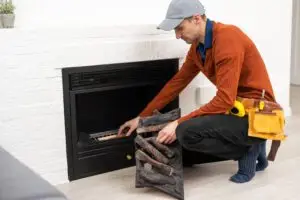
Why fireplaces get missed during home buying
During a showing, most people look at the living room, the kitchen, and the yard. The fireplace often gets a quick glance and a nod like, “Nice.” Then everyone moves on.
That is how surprises sneak in.
A fireplace is a working system. It has fire, heat, smoke, and gases. It also has masonry, metal parts, and airflow that must work together. When any part fails, you may deal with smoke in the room, water in the firebox, strange odors, or damage you cannot see from the couch.
Here is the plain truth. A fireplace can look great and still have a problem hiding behind the damper.
Your pre-closing mindset, be curious, not paranoid
You do not need to panic. You do need to play detective.
Picture this. You are walking through the home with your agent. You point at the fireplace and say, “Mind if I ask a few fireplace questions?” The seller is not offended. You are not being picky. You are being a homeowner.
Bring a flashlight. Bring a phone for photos. Bring a notepad. Wear shoes you do not mind getting dusty.
And if the seller says, “We never use it,” do not treat that as good news. Unused systems still break. Sometimes they break more.
Quick safety note before you start
Do not light a fire during a showing or walkthrough. Many closings happen in warm months anyway. Also, you do not know the fireplace condition yet. Stick to visual checks and questions.
Fireplace inspection checklist for buyers, room to roof
Use this list in order. Start in the room, then the firebox, then up, then outside.
1) The area around the fireplace
- Look at walls and ceiling near the fireplace.
- Check for yellow or brown stains, peeling paint, or bubbling drywall.
- Sniff the air. A sharp smoky smell when no fire is burning can hint at creosote or draft issues.
- Look at the flooring in front of the fireplace. Warped boards or cracked tile can point to past heat problems.
Ask out loud, “Have you ever had smoke in the room?” Then wait. Silence often invites honest answers.
2) The hearth and firebox
Get low and look inside with a flashlight.
Check for:
- Cracked firebrick.
- Missing mortar lines.
- Loose bricks you can wiggle with a gentle touch.
- White powder on masonry. That can mean moisture moving through the brick.
- Rust stains on metal parts. Rust often means water has been visiting.
A few small hairline marks can happen over time. Wide cracks, missing pieces, or shifting bricks are a different story.
Also look for:
- A thick, shiny, tar-like coating. That can be creosote buildup.
- Debris piles. Bits of brick or clay can mean something up top is failing.
- Animal evidence. Nests, feathers, droppings, or scratching sounds can show a critter has moved in.
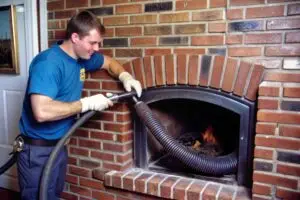
If you see a metal box insert, check the visible seams and panels for warping or heavy rust. If you need a professional evaluation, consider scheduling a Chimney Inspection and, if needed, a Chimney Sweep.
3) The damper and throat area
The damper is the metal door that opens and closes the flue.
Try this:
- Open it. Does it move smoothly, or is it stuck like a rusty gate?
- Close it. Does it seal flat, or does it sit crooked?
If it will not open, smoke has nowhere to go. If it will not close, outside air can slide into the home and mess with comfort.
Stand close and look up past the damper with your flashlight. If you see daylight, that can be normal with the damper open. If you see chunks missing, broken tiles, or heavy soot, take pictures.
If operation issues show up, learn more about Chimney Flue Repair and how it relates to draft and venting.
4) Smoke shelf and cleanout areas
Some fireplaces have a cleanout door, often in the firebox or outside near the base of the chimney.
Check for:
- A cleanout door that will not close.
- Ash piles spilling out.
- Water marks or dampness.
If the cleanout area smells musty, water may be getting in. If moisture is suspected, review Chimney Leaks for common sources.
5) The mantel and trim
This is where cosmetic and safety meet.
Look for:
- Scorch marks on wood trim.
- Melted paint.
- Cracking or pulling away from the wall.
A mantel too close to the opening can be a clearance issue. If it looks “almost touching” the opening, ask questions.
6) The chimney structure inside and outside
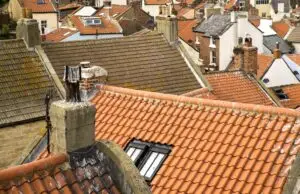
Now step outside and look at the chimney.
Masonry chimneys:
- Check for cracked bricks.
- Look for missing mortar joints.
- Look for bricks that look “spalled,” where the face flakes off.
- Look for white streaks on the outside brick. That is often moisture related.
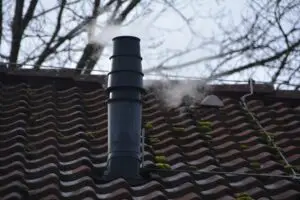
Factory-built metal chimneys:
- Check for dents, gaps at joints, or loose sections.
- Look for rust streaks.
If you can see the chimney from the yard, walk around it. If the back side is hidden, ask to see it.
When exterior masonry needs attention, Chimney Brick Repair and Masonry Repairs are common next steps.
7) The chimney crown and top area
The crown is the top cement layer that sheds water.
Look for:
- Cracks in the crown.
- Pieces missing.
- Areas that look patched again and again.
If you can safely view the top from the ground or a window, also look for a cap. No cap can mean rain entry and animal entry. It is like leaving a skylight open and hoping for the best.
Do not climb the roof during a showing. Let a pro handle that part.
Related services include Chimney Crown work and Chimney Cap Installation & Repair.
8) Flashing where chimney meets roof
Flashing is the metal seal at the roof line.
From the ground you may see:
- Bent metal.
- Gaps.
- Dark stains on shingles near the chimney.
In Dallas storms, flashing problems can lead to leaks that show up as ceiling stains or damp smells. If this comes up, see Chimney Flashing Repair & Replacement.
9) Indoor clues that point to chimney moisture
Moisture is a repeat troublemaker.
Look for:
- Musty odor near the fireplace.
- Efflorescence, that white powder on brick.
- Rust on the damper or firebox parts.
- Stains on the firebox floor.
Water plus soot can make a sour smell that hangs around.
What we usually see in Dallas, TX
Dallas homes often have wood-burning fireplaces in older brick houses, and gas logs in many newer builds. Here are a few patterns that pop up often:
- Cracked crowns after hot summers and quick weather swings.
- Rusted dampers tied to rain entry, often linked to missing or damaged caps.
- Odor complaints after humid weeks, when old soot and moisture mix.
- Loose mortar on chimneys exposed to wind, especially in open areas near larger roads like I-635 where gusts can be stronger.
If you are looking at homes in places like Lake Highlands or near White Rock Lake, keep an eye out for moisture signs. Trees and shade can hold humidity near the structure, and gutters and drainage matter more than people think.
Weather in North Texas and why it matters for chimneys
Dallas gets long heat, sudden cold snaps, and heavy rain events. Chimneys deal with it all.
- Heat bakes masonry and can widen small cracks over time.
- Cold snaps can freeze water in tiny cracks, then expand them.
- Rain can enter through a damaged crown, missing cap, or bad flashing.
- Humidity can make soot smell stronger, even when the fireplace is not used.
A chimney is like a sponge if it has cracks. Once water gets in, it keeps causing trouble until the entry point is fixed.
Red flags that should trigger a pro inspection before closing
Some things deserve a closer look before you sign final papers.
Watch for:
- A strong smoke odor in the living room when no fire is burning.
- Water stains on the firebox walls or ceiling near the chimney chase.
- Rusted damper or firebox parts.
- Cracked or missing firebrick.
- Loose bricks or missing mortar outside.
- A chimney that leans or looks separated from the house.
- No cap, or a cap that looks bent or missing pieces.
- Seller says, “We do not use it,” plus you see soot and stains anyway.
- Any mention of a past chimney fire.
A chimney fire is not always obvious. People may say, “It was just a loud fire once.” If you hear that, ask more.
For background reading on why creosote matters, see https://en.wikipedia.org/wiki/Creosote.
The questions to ask during the final walkthrough
During the walkthrough, you are checking that the home is in the same condition, and that agreed repairs were done. Fireplaces fit right into that.
Use plain questions. No need to sound like a lawyer.
Questions about use and history
- When was the last time you used the fireplace?
- Do you burn wood, or do you use gas logs?
- Has smoke ever entered the room?
- Have you ever had animals in the chimney?
- Has there been a chimney fire, even a small one?
Questions about service and records
- When was the last chimney cleaning?
- Do you have a receipt or report from the last chimney service?
- Has the chimney ever been relined or repaired?
- Has the crown or flashing been repaired?
If they say, “We had it cleaned years ago,” you can smile and think, “Years is not a date.”
If service history is unclear, it can help to request a Chimney Inspection and review options for Chimney Repair if anything is found.
Questions about upgrades and conversions
- Was this fireplace ever converted from wood to gas?
- Is there a key valve, and where is it located?
- Who installed the gas log set?
Conversions can be done well or done sloppy. You want it done well.
Questions about moisture and leaks
- Have you ever seen water in the firebox?
- Have you ever repaired roof flashing near the chimney?
- Do you notice odors after rain?
If the seller pauses, your checklist is doing its job.
Simple troubleshooting steps you can use during a showing
These are not full tests. They are quick clues that help you decide what to ask next.
- If the room smells like old campfire, then look for creosote buildup signs and ask about last cleaning.
- If you see rust on the damper, then suspect water entry and check for a cap and crown cracks.
- If the firebox has cracked bricks, then ask if any repairs were made and plan a chimney check.
- If the chimney outside has missing mortar, then plan for masonry repair review before closing.
- If there are ceiling stains near the chimney, then ask about flashing repairs and look for roof leak history.
- If the damper will not open or close, then ask if it has been stuck before and plan service.
- If you see animal nesting signs, then ask about a cap and plan for removal and cleaning.
When animals are a concern, Animal Removal can be part of getting the system ready for use.
Common myths and the real story
Myth: If the fireplace looks clean, it is safe.
Fact: Soot can hide higher up in the flue, out of sight.
Myth: Gas logs mean no chimney problems.
Fact: Many gas setups still rely on safe venting and good airflow.
Myth: A little water in the firebox is normal after rain.
Fact: Water entry is a warning sign. It can lead to rust, odors, and damage.
Myth: If the seller never used it, you are in the clear.
Fact: Lack of use can mean years of buildup, animals, or moisture issues.
Wood-burning vs gas, what buyers should check
Not every fireplace works the same way. Knowing what you are looking at helps.
Wood-burning fireplaces
Check for:
- Creosote signs.
- Firebrick condition.
- Damper operation.
- Chimney cap presence.
Ask what type of wood they burned. Soft woods can leave more buildup. Also ask if they ever burned trash or cardboard. That can leave nasty residue.
For general fire safety guidance, see https://www.nfpa.org/education-and-research/home-fire-safety/heating/fireplaces.
Gas fireplaces and gas log sets
Check for:
- A shutoff valve you can reach.
- Soot stains around the opening, which can point to poor burn.
- Strange odors when the unit is on, if it is safe to test with the seller present and the unit is meant to be used that way.
If you are not sure what type you have, do not guess. Take a photo of the unit and ask a pro. If gas appliances are involved, you can also consider a Gas Chimney Inspection.
A care schedule you can follow after you move in
Once you own the place, you will want a simple plan. Keep it easy.
Weekly during burn season
- Scoop out excess ash after it cools.
- Check the room for smoke smell after use.
- Keep the area clear of boxes, wood stacks, and clutter.
Monthly during burn season
- Look inside with a flashlight for new cracks or heavy soot.
- Make sure the damper moves the way it should.
- Check for new stains after rain.
Yearly
- Schedule a chimney inspection and cleaning as needed.
- Have the cap, crown, and flashing checked.
- If you use the fireplace a lot, ask what service timing fits your use.
Even if you rarely burn, a yearly look can catch water entry early.
Walkthrough checklist you can print or save on your phone
Here is a quick version for the day you visit the home again.
- Fireplace opening has no loose bricks or wide cracks.
- Firebox looks dry, no stains or damp smell.
- Damper opens and closes.
- No heavy soot smell in the room.
- Mantel and trim show no scorch marks.
- Chimney outside has solid mortar, no missing joints.
- Crown looks intact from what you can see.
- Cap present.
- No ceiling stains near chimney.
- Seller provides any service notes or receipts if they have them.
If you get stuck, tell your agent, “I want this noted and checked.” Simple and clear.
FAQs
Do I need a chimney inspection before buying a house?
If the home has a fireplace and you see any red flags, yes, get it checked before closing. It can help you avoid surprise repairs and safety problems after move-in.
Can I use the fireplace right after closing?
Only after you know it is safe and clear. If you do not have records showing recent service, schedule an inspection and cleaning first.
What does creosote look like?
It can look like black soot, flaky chunks, or shiny tar-like glaze. The shiny kind is a bigger concern and needs pro handling.
Why does my new house fireplace smell when it rains?
Rain can bring moisture into the chimney through cracks, bad flashing, or a missing cap. Moisture mixes with soot and makes odors stronger.
Is a cracked firebrick a big deal?
Small surface lines can happen. Wider cracks, missing chunks, or loose bricks need attention. Damage can let heat reach areas that should stay protected.
What is a chimney cap and why do I care?
A cap helps keep rain, animals, and debris out. It also helps with spark control. No cap often leads to water and critter problems.
How can I tell if the damper works during a walkthrough?
Use the handle or lever and see if it opens and closes smoothly. If it is stuck, bent, or will not seal, note it and plan for service.
If the seller says the chimney was cleaned, is that enough?
It helps, but ask for the date and any report. A cleaning is not the same as confirming that the flue, crown, and structure are in good shape.
Schedule a chimney inspection in Dallas, TX
Ready to feel sure about that fireplace before you settle in? SafeFlue Chimney Sweep & Repair helps buyers in Dallas, TX with chimney inspections, chimney sweeping, and repairs, so you can spot issues early and move in with fewer surprises. Call (214) 441-6336 or visit https://safefluechimneysweepandrepair.com to schedule service. For scheduling help, use Contact Us.