

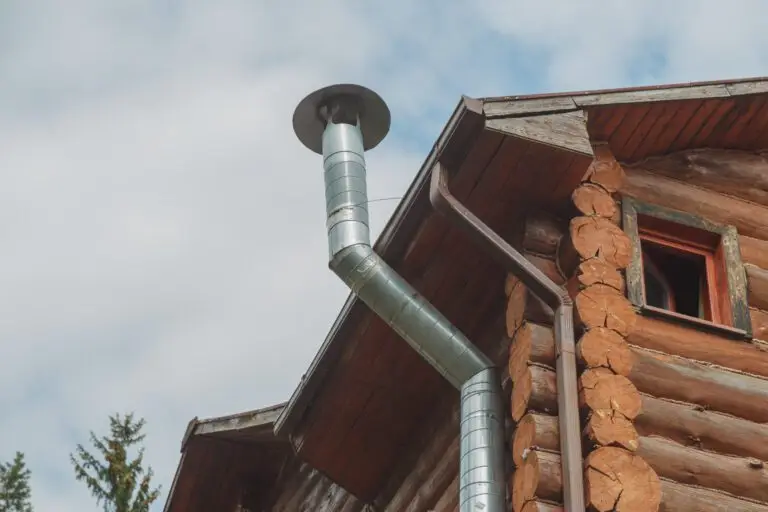
If your chimney pipe is rusty, leaking, or losing draft, it may be time to consider replacement instead of patching. Look for orange streaks, water stains, loose joints, sections that appear crushed, and smoke that enters the room. If the pipe is failing inside the attic or chase, replacement is recommended. A sound flue should stay dry, tight, and provide strong draft during every fire.
Why the chimney pipe matters
The pipe is the pathway for smoke and heat. It must stay smooth, tight, and properly sized. When it rusts or warps, draft decreases. When seams open, rain can enter. Water combined with creosote forms acids that can deteriorate metal. Dallas storms add wind and hail to the mix. A compromised pipe can lead to stains, odors, and hard-to-start fires.
Quick ground and roof-edge checks you can do
You do not need to climb steep roofs. A few safe checks tell a lot.
- Stand back and look at the cap. Is it tilted, missing, or clogged with soot or a nest
- Use binoculars from the yard. Do you see orange streaks on the pipe or chase cover
- From a ladder at roof edge, glance at the storm collar and flashing. Any gaps or dried sealant
- Peek in the firebox with a bright light. Any rust flakes, water stains, or a damp smell
- Strike a match and hold it near the fireplace opening. Does smoke go up fast, or linger and come out
If you see clear signs of rust, leaks, or reduced draft, the pipe may need replacement.
Top signs you should replace, not patch
Rust that keeps coming back
A little surface rust can be scrubbed and treated. But if you see:
- Orange-brown streaks running down the pipe
- Bubbling paint, pitting, or flakes you can scrape with a fingernail
- Rust at seams or where sections join
That indicates metal loss. In Dallas, humidity swings and summer heat affect sealants. Spring storms drive rain at varying angles. Water finds weak spots. Once rust affects the inner wall of a factory-built pipe, replacement is the safe option.
Leaks that leave stains or smells
Water can enter at several points. A cracked chase cover, a compromised storm collar, or loose flashing can drip into the firebox or attic. Signs to watch:
- Brown rings on the ceiling near the chimney chase
- Damp smell in the fireplace, even in August
- White powder stains on brick or face, called efflorescence
- Drips after hard rain, even with the damper closed
A sealant application might help at flashing if the pipe is otherwise sound. But if the leak traces to the pipe body or seams, or you see water marks on the inner liner, a new pipe is more reliable than repeated patching.
Draft loss and smoke roll out
A healthy chimney should establish strong draft. If yours underperforms, check for:
- Smoke that lingers at the firebox and enters the room on start
- Fires that only burn well with a window cracked
- Whistling at the pipe or damper area
- Soot lines around the face, a sign of back puffing
Draft reduction can come from a dented inner liner, a bird nest, or a gap at a joint in the attic. Class A pipe uses a smooth inner wall. When it dents or crimps, turbulence increases and draft decreases. If your pipe has been hit by hail or a ladder, or was twisted by wind, draft can decline. Once the inner liner is out of shape, replacement is the fix.
Warped or crushed sections
Dallas hail can dent caps and collars. High winds along I-35E can move a chase cover. Look for:
- Dents visible from the yard on the cap or pipe
- A storm collar that is split or out of round
- A pipe that looks tilted where it exits the roof
Metal movement can loosen joints, allow water intrusion, and reduce draft. This indicates the pipe is nearing the end of its service life.
Loose joints and missing screws
Factory-built chimney pipe sections lock together and use screws in designated spots. If you can wiggle a section at the attic or see missing screws, that is a safety and leak concern. Heat cycles in Texas summers expand and shrink metal. Over time, that can loosen connections. When joints no longer hold tight, replacement is appropriate.
Creosote glaze and a cold flue
If you see shiny black glaze inside, that is creosote that baked on a cool surface. A cool flue often means air leaks, wrong pipe type, or damage. Glaze is hard to clean and can ignite quickly. Correct the root cause. If the pipe is the wrong type or damaged, replace it.
A quick note about draft
We hear this a lot. My fire causes smoke in the room. Your flue may be underperforming. Can you fix it? If the pipe is dented, rusted, or leaking air, it will continue to underperform. A new, smooth, right-sized flue restores proper draft.
What we usually see in Dallas, TX
Across Lakewood and East Dallas, many older homes have masonry chimneys with metal liners added later. We find rust at the top where storm collars aged in the sun. In Far North Dallas and near Preston Road, newer builds use Class A factory-built pipe in wood chases. Hail dents and loose chase covers are common. After spring storms along I-635, we see caps displaced and water stains in chases. Summer heat affects sealants, and fall cold snaps reveal draft issues.
Root causes in plain speech
- Water enters at seams and corrodes metal. With creosote, it forms acids that accelerate rust.
- Heat cycles on Dallas roofs expand and contract metal. Joints loosen over time.
- Wind and hail can rattle caps and dent pipe and collars, reducing draft.
- Wrong parts or mixed brands that do not lock correctly reduce longevity.
Repair or replace, how to choose
- Small crack in flashing, pipe sound and rust free, then reseal flashing and check in a month.
- Cap screen clogged but pipe clean, then clean or replace cap only.
- Rust just on chase cover, pipe clean, then replace chase cover and storm collar.
- Rust on inner liner or seams, then replace the pipe section or full run.
- Water in firebox with stains on pipe, then replace pipe and fix leak path.
- Dents on inner liner, then replace affected sections, do not try to bang it out.
- Mixed brand sections that do not lock tight, then replace with one brand, end to end.
- Draft loss with smoke stains and no blockages, then inspect full run. If gaps found, replace.
Simple roof-edge checks for clear answers
- Pull the cap and look down with a bright light, only if safe. Do you see a smooth circle or kinks
- Tug the top section gently. Solid, or does it shift
- Pour a cup of water around the storm collar. Does it run off or drip in
- Tap the pipe. Does it sound thin or flake rust
- Shine a light inside the attic at night. Any light leaks or water tracks around the pipe
What kind of pipe should a Dallas home use
Most wood fireplaces and stoves that use factory-built chimneys need Class A, all-fuel rated pipe. Look for UL 103 HT on parts. Stainless steel resists rust better than galvanized, which helps in humidity and storm seasons. In hot roofs, double or triple wall pipe keeps clearances safe. Stay with one brand from start to cap so the locks and supports match.
How long should a chimney pipe last
With good care, the right pipe can serve for years. Reality check in Dallas:
- Strong sun on south-facing roofs affects collars and chase covers.
- Spring storms test caps and joints.
- Occasional freeze and thaw can stress seams.
A watchful eye and a set care plan keep small items small and flag bigger concerns early.
Care schedule you can follow
Weekly in burning season
- Empty ash when cool and keep it below the grate level.
- Look at the cap from the yard. Any bird traffic or soot buildup
- Start your fire with dry wood and good airflow to reduce creosote.
Monthly in burning season
- Check for smoke smells on cold mornings. That can point to leaks or reduced draft.
- Peek in the firebox with a light. Any water marks, rust flakes, or shiny creosote
- Check the ceiling near the chimney chase for fresh stains.
Yearly
- Full sweep and inspection before the first cold front.
- Test the cap, storm collar, and flashing.
- Check supports in the attic and roof penetration.
- Replace worn gaskets, screens, or screws.
- If you had leaks or rust last year, plan a closer look or a pipe replacement before winter.
Weather tie-ins that matter in Dallas
Heat
Roofs can reach very high temperatures. Sealants dry out. Plastic boots crack. Metal expands. Joints that were snug in spring can open by fall. Summer is a good time to check collars and chase covers.
Rain
Wind-driven rain finds each small gap. Worn flashing and loose storm collars show issues first. If you see drips after side-blowing rain, look at the collar and the pipe seams.
Cold snaps
A sudden cold front can cause downdraft when the flue is cold. If you pre-warm the flue with a lit newspaper held near the damper and it still struggles, you may have a damaged liner or air leaks.
Wind and hail
Wind can move caps. Hail dents caps and can bruise pipe. After a hail day, use binoculars and give the cap and top section a quick look.
Common myths and facts
- Myth: If the cap looks fine, the pipe is fine. Fact: Many issues start at inner seams you cannot see from the yard.
- Myth: A little smoke in the room is normal. Fact: A good flue establishes draft quickly. Spillover indicates reduced draft or leaks.
- Myth: Stainless never rusts. Fact: It resists rust, but creosote acids plus water can still affect it over time.
- Myth: You can mix brands if the sizes match. Fact: Locks and listings differ. Mixed parts can leak, loosen, or underperform.
Troubleshooting steps that keep it simple
- If smoke rolls out on start, then pre-warm the flue. If it still rolls out, check for dents or gaps and plan a replacement check.
- If you find brown rings near the chase, then inspect the chase cover and storm collar. If the pipe shows rust, replace the pipe.
- If wind whistles at the pipe, then check cap and joints. If joints are loose or missing screws, replace sections or the full run.
- If the cap is clogged, then clean it. If clog returns fast and creosote is shiny, check flue temperature and integrity. Replace damaged or wrong type pipe.
- If water drips into the firebox, then test with a hose around the collar. If leaks appear at seams, replace pipe.
- If you see orange streaks down the pipe, then stop burning and schedule a replacement estimate.
- If you had a chimney fire or heavy hail, then get a full inspection. If inner liner is warped or buckled, replace.
A quick attic walkthrough, the safe way
If your attic has a walkway and safe footing, a fast look is helpful. Only do this in daylight with a good light and a buddy nearby.
- Look for dark water tracks on the outside of the pipe.
- Check for charred wood or insulation touching the pipe.
- Find support brackets. Are they tight and not bent
- Look for light showing in from the roof around the pipe.
Any of these issues means schedule a professional visit. If the pipe body shows rust or seams look open, that points to replacement.
What a proper replacement includes
- Matching brand, all the way from the appliance to the cap.
- New support box or ceiling support that fits the pipe brand.
- New firestops at each floor or ceiling pass-through.
- New storm collar, flashing, and cap sized for the new pipe.
- Correct clearances to wood, checked in the attic and at the roof.
- A straight shot if possible. Gentle offsets only when needed.
Why patches often don’t last on chimney pipes
- Heat and cool cycles break down sealants. A small amount of sealant on a hot pipe is temporary.
- Rust under paint continues. You can hide color, but cannot stop deterioration in thin metal.
- Mixed parts can loosen as they move at different rates.
If the metal is thin, dented, or rusted at joints, a new pipe provides safety and peace of mind.
A short story from a Dallas driveway
We once met a homeowner near White Rock Lake who said, “My fireplace struggles.” We found a dented inner liner from a long-ago ladder bump. They tried cap changes and fresh sealant without success. New Class A sections, matched brand, straight shot—and the issue was resolved. First cold front, that flue performed as it should.
Picking parts that last in North Texas
- Choose stainless for inner walls. It handles moisture and acids better.
- Use a cap with a solid top and side screens. It keeps rain out and lets smoke out.
- Add a chase cover made of stainless. Galvanized covers rust faster.
- Make sure every section locks with three screws where the listing calls for it.
- Keep the run as straight as your layout allows.
How long can you keep patching
Patches buy time when the base is sound. If you are patching the same area twice, the base is not sound. After two occurrences, plan replacement. If you notice damp soot odors on sunny days, something may be wet. Moisture and heat do not mix.
Budgeting time, not price
Set time on your calendar before burn season. Dallas often gets a cool snap in late fall. Beat the rush. If you plan a replacement, schedule it when the roof is not slippery and storms are not in the forecast.
Safety notes
- Do not climb a steep or wet roof. View from the ground or roof edge only.
- Do not light a fire if you see or smell water in the firebox. Let it dry and get it checked.
- Do not use homemade caps or tape on a pipe. Parts must match and fit correctly.
- Keep kids and pets away when you test draft with smoke.
FAQs
Q: When to replace chimney pipe instead of repairing it
A: Replace when you see rust on the inner liner, leaking seams, crushed or warped sections, loose joints that will not lock, or ongoing draft loss after basic fixes.
Q: How often should I check my chimney pipe in Dallas
A: Do a quick look each month in burn season, then a full sweep and inspection each year before the first cold front.
Q: Can hail damage a chimney pipe
A: Yes. Hail can dent caps and collars, and hard hits can bruise the pipe. Dents in the inner liner reduce draft and call for replacement.
Q: What kind of pipe do I need for a wood fireplace or stove
A: Most need Class A, all-fuel rated, stainless inner wall pipe. Keep one brand from end to end so locks and listings match.
Q: Why does my room smell smoky on humid days
A: Humid air can push odor down a leaky or cold flue. That points to air leaks, creosote, or a damaged pipe.
Q: Can I mix pipe brands if the sizes match
A: No. Each brand locks differently. Mixed parts can leak or come apart.
Q: My chimney leaked once in a big storm. Is that normal
A: A strong system should stay dry. One-time leaks often mark a weak collar or cover. If leaks return or stains spread, inspect the pipe for rust and plan a replacement if needed.
Q: Do gas logs need the same kind of pipe care
A: Yes. Gas makes water vapor. That can speed rust in a weak pipe. Keep cap and pipe in good shape and vent by the listing.
Q: Is there a quick draft test I can do
A: Crack a window near the fireplace and light a rolled-up piece of newspaper. Hold it near the damper. If smoke still spills out, the flue may be damaged or blocked.
Dallas home types and what to watch
- Brick bungalows near Oak Cliff often have older liners. Watch for rust at the top and loose mortar crowns.
- Wood frame homes with chimney chases in North Dallas usually have factory-built pipe. Watch for chase cover rust and wind effects on caps.
- Townhomes along US-75 often share wind loads that hit certain roof faces harder. Check caps after strong fronts.
What to do next if you spot trouble
- Take clear photos from the ground or roof edge.
- Note smells and stains by date and weather.
- Stop burning until checked if you see inner rust, dents, or leaks.
- Call a pro who works on Class A systems and masonry, not just sweeping. Ask for matched parts and a full top-to-bottom plan.
When a new pipe is a game changer
- Fires light fast and burn cleaner.
- No smoke roll out on start.
- No dripping or damp soot smell after storms.
- Cap sits tight, looks square, and stays put in wind.
- Attic stays dry and clear with proper clearances.
Simple checklist you can print
- Cap secure and clean
- Storm collar tight, fresh sealant where needed
- Chase cover solid, no rust or dips
- Pipe round, no dents, seams snug
- Attic supports tight, no scorch marks
- Ceiling stains checked, none fresh
- Draft strong on a cold start
If you miss two or more boxes, it is time for a closer look and likely a pipe replacement plan.
A friendly wrap before you plan your weekend
Rust, leaks, and draft loss are like three helpful warning lights. A tight, smooth, dry pipe makes every burn cleaner and easier. Use the checks above, keep a simple care plan, and consider replacing a worn pipe with a new one. Your living room and roof will benefit.
Ready for a pro to take a look or handle the heavy lifting We are SafeFlue Chimney Sweep & Repair, serving Dallas, TX. We inspect, sweep, repair, and replace chimney pipes and caps, match parts the right way, and set you up for strong draft and dry chases. Call (214) 441-6336 or visit https://safefluechimneysweepandrepair.com to schedule. We make it efficient, clean, and done right, so your next fire starts fast and stays on track.