

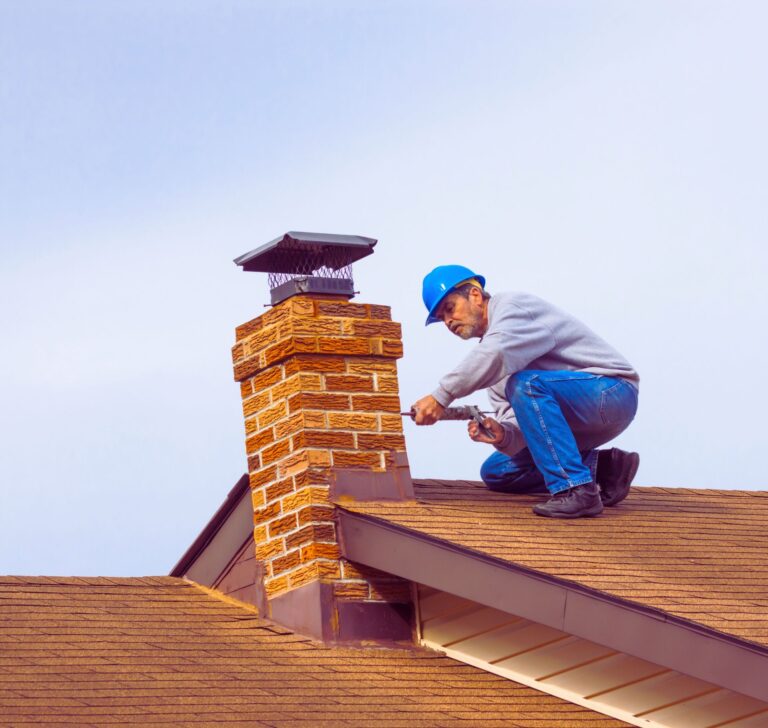
Picture this: You’re sitting by the fire, cuppa in one hand, your old dog in the other, and everything seems just right. The fire crackles, the smoke rises, and all is well—until you notice a little draft and that pesky whiff of something damp drifting through the air. Suddenly, your mind flashes to your old Dallas chimney, standing tall despite years of North Texas wind, heat, rain, and whatever else the weather throws at it. If your historic chimney could talk, it would probably beg for a little care. That’s where mortar repointing comes in—no magic spells, just real-world repair work that keeps water and smoke from sneaking into places they don’t belong.
So, what is repointing? Why does old mortar matter? Why do Dallas chimneys need special attention? Grab your favorite drink and pull up a chair—let’s dig into what keeps your historic home safe, dry, and cozy for years to come.
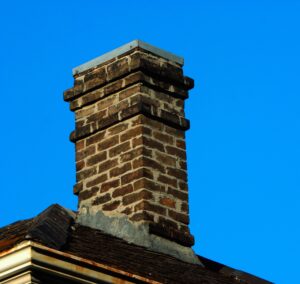
Chimneys: The Backbone of Old Dallas Homes
Chimneys have stood tall through generations in Dallas, holding up to wild thunderstorms, dry spells, and everything between. They’re the trusty steeds of a home, carrying smoke safely away and helping your heating system do its job. Keeping a chimney in good shape is not just about looks. Old, crumbling mortar can lead to real trouble—think water leaks, smoke indoors, and even serious fire hazards.
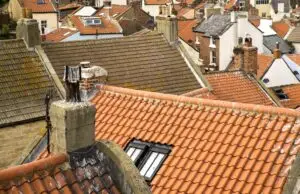
Passing by some of Dallas’ grand old neighborhoods, you’ve probably seen those sturdy brick chimneys staring down from rooftops. Many are survivors from the early 1900s, and some are even older. Inside those bricks, the mortar (the gray stuff that looks a bit like thick cake frosting) holds the whole thing together. If that mortar turns crumbly, thin, or starts to vanish, the bricks loosen up, and problems roll in faster than a Texas thunderstorm.
What Is Mortar, Anyway?
Before we get too far, let’s clear up what mortar really is. Mortar is like the glue for bricks and stones—it’s the mixture that holds everything together. It’s made mostly of sand, cement, water, and lime. Over decades, harsh Texas sun and rough winters can wear mortar away, making it weak and crumbly. When the mortar starts to flake, fall out, or wash away, that’s when water and smoke start sneaking into your house, even when the damper is closed.
When Mortar Goes Bad: The Signs of Trouble
Your chimney doesn’t whisper at night, but if you pay attention, you’ll notice when things are going sideways. Here are some telltale signs that the mortar is failing:
- Cracked or missing mortar: See gaps or cracks between the chimney bricks? That’s bad news.
- Loose bricks: Gently press on bricks; if they move, mortar isn’t holding them tight anymore.
- White staining (efflorescence): Salt from inside bricks is pulled out by water leaks, leaving ghostly marks.
- Interior leaks or musty smells: If rain brings in odors or moisture around the fireplace, you’ve got a problem.
- Bits of sand or mortar in your fireplace: Mortar falling apart on the inside can drop little pieces into the firebox.
A lot of these issues sneak up, just like surprise Texas hail. Many homeowners don’t spot them until smoke starts backing up or chunks of chimney start giving up and tumbling down.
How Water Sneaks in Without Good Mortar
Old, washed-out mortar is like swiss cheese for water—it lets every drop sneak right through. Dallas weather is famous for surprise downpours and high humidity. When mortar gets old, water finds its way between the bricks and works onto your roof or attic. Over time, this causes mold, wood rot, and even interior wall damage. Even if the outside still looks fine, small cracks start up a chain reaction that causes big headaches later.
Water gets in, freezes in winter, then thaws. That freeze-thaw cycle pushes bricks farther apart and widens gaps, which leads to more leaks. Pretty soon, your “good ol’ chimney” looks more like a wobbly Jenga tower.
The Magic of Repointing
You’ve spotted the warning signs. What’s next? Enter repointing—the fix-it job that saves historic Dallas chimneys from an early grave.
Repointing is the process of scraping out all the old, crumbly mortar and packing in fresh, strong mix. This isn’t a slap-on-the-wall type of repair. Imagine switching out every tired link in a chain to make it strong as new. Done right, repointing seals up leaks, locks bricks tightly, and breathes new life into even the oldest chimneys.
Why Not Just Smear New Mortar Over Old?
Think of it like a leaky fishing boat. If you just paint over the holes, you’re still going to get wet! Covering up weak mortar with new mix doesn’t solve anything. The old stuff underneath keeps crumbling, and soon the whole patch job falls to pieces. Repointing means getting rid of every weak spot before filling it with fresh, strong mortar that’ll last another fifty years.
The Repointing Process: Step by Step
So, what actually happens during repointing? Here’s how the pros at SafeFlue Chimney Sweep & Repair tackle the job—no magic wands, just know-how and elbow grease:
-
1. Inspection and Planning
It starts with a close look at your chimney. The inspector checks the mortar between every brick and marks out the areas that need work. They’ll spot even tiny cracks or soft spots that you might miss from the ground. Safety is always the top concern, both for your home and for the workers (nobody wants to meet the ground the hard way).
-
2. Setting Up for Safety
Chimney work usually involves some serious climbing. The crew sets up safety gear and ladders or scaffolding to reach high up without slipping. Helmets, harnesses, and gloves keep everyone in one piece.
-
3. Removing the Old Mortar
The real work starts with carving out the old, weak mortar. Workers use special tools—scrapers, chisels, or even small grinders—to remove mortar joints to just the right depth. About a half-inch to an inch deep is the sweet spot, deep enough to reach the strong mortar but not so much that you risk loosening the bricks. Dust flies, but every crumb gets swept out.
-
4. Prepping the Joints
After chiseling out the old stuff, the mason brushes out the dust and sometimes mists the area with water. This helps the new mortar stick like glue, not crack and fall out later.
-
5. Mixing the New Mortar
Classic bricks need classic mortar. Modern mixes aren’t always a match for vintage chimneys, so pros often use special blends with more lime and less cement. This helps the mortar flex with temperature swings instead of cracking. Getting the color just right is vital for historic homes, so the new mortar blends in like it’s always been there.
-
6. Packing in Fresh Mortar
Now comes the satisfying part—packing in the new mix. Using pointing trowels, the mason presses fresh mortar into every gap until it’s full and tight. Each joint gets shaped with a finishing tool so water can’t pool on the surface.
-
7. Cleanup and Curing
Once the job is done, excess mortar is gently brushed away, and everything gets a tidy-up. The newly pointed mortar needs to cure, much like letting a fresh cake cool before slicing (but inedible). It takes a few days to fully harden, during which time it’s kept safe from heavy rain or blazing sun.
Why “Good Enough” Isn’t Good Enough for Old Dallas Chimneys
Smearing over cracks with caulk or slapping on new bricks might look good for a few weeks. But, like a Band-Aid on a cracked dam, those tricks just delay the real fix. Skimping on chimney repairs puts your home at risk for chimney fires, smoke stains, and expensive water damage.
Historic Dallas homes deserve real repairs that match their age and beauty. Repointing is about protecting both your house and your investment (and let’s be honest, your peace of mind, too). With proper repairs, your old chimney can stand tall for another generation—no need for last-minute bucket jobs every rainy season.
Repointing: A Time-Tested Solution
Masons have been using repointing techniques for hundreds of years across the world. In Dallas, where the weather jumps from muggy summers to ice-cold snaps, mortar joints are always under stress. Repointing doesn’t just make the chimney look new—it makes it weatherproof, smokeproof, and solid enough to handle whatever nature throws at it.
- Stops Water Leaks: Seals up gaps before rainwater turns your attic into an indoor swamp.
- Blocks Smoke Leaks: Keeps dangerous fumes from escaping into your living room or attic.
- Locks Bricks in Place: No more loose bricks wobbling with every winter wind.
- Boosts Fire Safety: A structure without cracks or holes can contain heat and fire better.
- Preserves Historic Style: New mortar can match the old, keeping your home looking original.
Why DIY Isn’t the Best Option for Chimney Repointing
It might be tempting to head to the hardware store, grab a bag of mortar, and tackle the chimney yourself. After all, how hard could it be?
Well, chimney repointing is one of those jobs that looks easier than it is—like building a house of cards. Working on the roof, matching old mortar color and formula, and making sure every joint is perfectly sealed takes training and patience. Mistakes can make things worse, not better. Packed too tight? Bricks crack. The wrong mix? Mortar falls out again. Skip a spot? Water leaks in and does even more damage.
Besides, no one wants to answer the door for the pizza guy while covered in gray mortar from head to toe. Leave the ladder adventures (and the aching muscles) to the pros!
SafeFlue Chimney Sweep & Repair: Dallas’ Chimney Repointing Experts
You wouldn’t trust your prized truck to just any old mechanic. Your chimney deserves the same level of expertise. SafeFlue Chimney Sweep & Repair has been restoring historic Dallas chimneys with careful repointing for years. We use the right tools, the right materials, and old-school know-how.
Our team handles the high climbs and hard work, so you get peace of mind—no more leaky bricks, smoky living rooms, or rain-soaked attics. We match our mortar to your home’s style and age, so the repair blends right in. Plus, we check for other hidden problems to make sure your fireplace stands safe for many winters to come.
Tired of worrying about your old chimney? Ready to stop smoke leaks and water stains before they start? Give SafeFlue Chimney Sweep & Repair a call at (214) 441-6336 or visit us at https://safefluechimneysweepandrepair.com. Our chimney sweeps are ready to help you enjoy a warmer, safer home—without the headaches.