

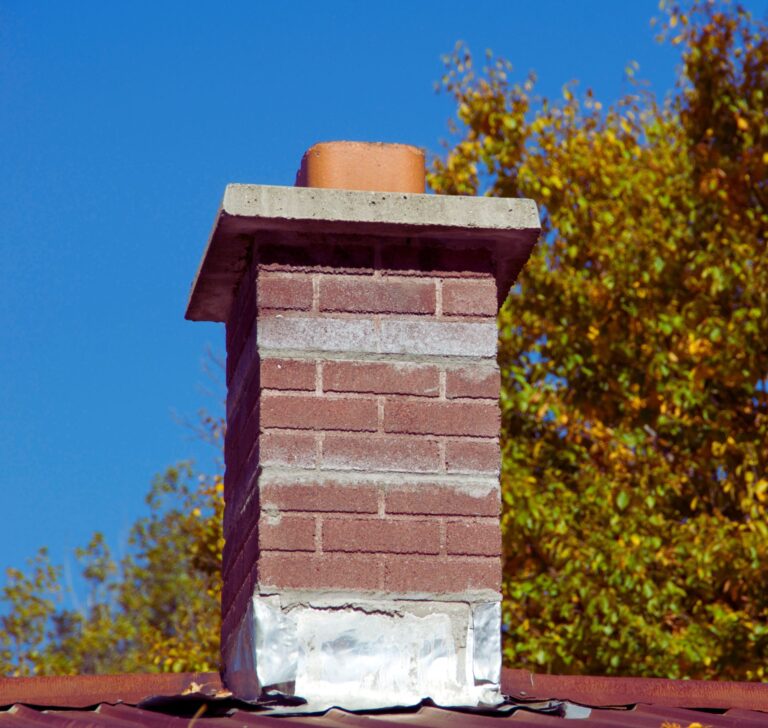
Picture this: You’re outside grilling up some burgers, glance over at your house, and—whoa!—your brick chimney looks like it’s trying to do the twist. If you live anywhere around Dallas, your foundation is sitting on North Texas clay. This soil comes with more mood swings than a two-year-old who missed nap time. Before you panic or call for a wrecking ball, let’s chat about why your chimney is doing the cha-cha and what you can look for to stop it from falling apart—and maybe taking your whole Saturday night with it!
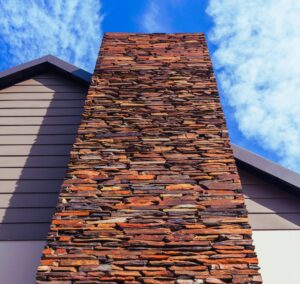
Why Clay Soil Acts Like a Jack-in-the-Box
North Texas clay isn’t your average dirt. It’s more like a sponge and a slinky rolled into one. When it rains, it soaks up water, swells up, and pushes against anything in its way. When it dries out, it shrinks, leaving gaps under your foundation—almost like pulling the rug out from under your house! Your home’s foundation, and everything on top of it (yes, including your brick chimney), gets jerked around like a popcorn kernel in a hot pan.
Now, your brick chimney is sturdy, but it’s not built for the Texas twist. It sits on a slab or its own little foundation. If that base starts to move, bricks can’t flex the same way—you get cracks, leaning stacks, and even loose bricks that look like they’re trying to make an escape.
How Shifting Soil Stresses Your Chimney
Bricks are tough, but they’re also a bit stubborn. They don’t like sudden moves. If the ground underneath shifts, here’s what might happen:
- Cracks show up: They might look like thin hairlines at first, but don’t be fooled—cracks don’t heal themselves. Left alone, they grow like that patch of weeds you keep ignoring.
- Chimney tilts: If you lean too far to one side, eventually you have to sit down. Your chimney works the same way! A tilting chimney isn’t just a crooked eye-sore; it means its base has started slipping.
- Mortar crumbles: Mortar is the glue holding your bricks together. When the soil yo-yos, that glue starts crumbling, letting rain, smoke, and even critters sneak in.
Let’s face it: nobody wants their chimney to double as a squirrel duplex.
Facts from the Ground Up
North Texas weather is like a roulette wheel—extreme one day, bone-dry the next. Stick a house on clay soil, and you’ve got constant movement underfoot. Over time, the following examples of trouble pop up:
- After heavy rains: Fast swelling pushes foundations up, raising one side of your chimney and setting it off-balance.
- During droughts: Clay shrinks back, leaving air pockets under your foundation, which then sinks back down, dragging the chimney with it.
It’s almost like your home is hitching a ride on a roller coaster—no ticket needed!
Key Inspection Points: Spotting Chimney Trouble Early
Before your chimney spins right out of your life, here are the inspection points you should use. Think of these as “check engine” lights for your chimney.
1. Check for Cracks—Even Those Tiny Ones
Grab a flashlight and walk around your chimney, inside and out. Start at the base and look for:
- Vertical cracks: These run straight up and down. They may look harmless but can signal serious trouble brewing.
- Stair-step cracks: These zig-zag along the mortar joints. They’re a straight-up sign your chimney is shifting with your foundation.
- Wider cracks: If you can stick a pencil in it, it’s past time for a fix.
Real Talk: It’s just like catching a cold. A sniffle is easy to cure, but if you ignore it, you’ll be coughing for weeks.
2. Is the Chimney Leaning?
Sometimes, you can see a tilt just by standing back across the yard. If your chimney looks like it’s playing the Leaning Tower of Pisa, that’s a big red flag. Even leaning a little can mean a lot of pressure—and a lot of risk.
Here’s a trick: Stand at the corner of your house and line up the edge of the chimney with something straight (like a door or window frame). Is the chimney sticking out? Time to get help.
3. Look at the Firebox and Flue
Step inside and check where the bricks meet your fireplace opening. Are there any cracks, gaps, or places where you can see daylight? That means movement, and movement means trouble!
Don’t forget the flue. Use binoculars if you need to—it’s better than ending up in the ER trying to show off your “cat-like” balance on the roof. Look for crumbly bricks, missing mortar, or crumbling crown. If stuff is falling away, something’s gone wrong below.
4. Watch for Gaps and Separation
Are bricks pulling away from your house? It might start small, but over time, your chimney can look like it’s trying to get a divorce from the rest of your wall. Gaps between the house and chimney are a sure sign that movement’s happening below the surface.
5. Dampness or Water in Odd Spots
If you notice water stains inside your fireplace or damp bricks outside, shifting can let rain sneak in where it shouldn’t. Water wrecks more than just your firewood—it makes the mortar weak and invites mold.
6. Stuck or Sticky Damper
If your damper or smoke shelf (the spot above the firebox) suddenly sticks or jams, maybe things have shifted out of line. Don’t be a hero and force it open; figure out why it’s not working smoothly.
Why Early Detection Matters
Here’s a story. Joe, a Dallas homeowner, thought the small crack on his chimney was “no big deal.” Six months later, his living room hosted a “rainy day surprise”—water streaming down through a gap where the chimney was pulling away! Joe spent way more patching leaks, replacing drywall, and redoing the chimney than he would’ve if he’d just called a pro at the first sign of trouble.
Don’t be like Joe. Catching these problems early is like fixing a nail in your tire—it’s quicker, cheaper, and saves you a headache.
How SafeFlue Chimney Sweep & Repair Can Help
Maybe you found a hairline crack or a mystery stain, or maybe your chimney just gives you the heebie-jeebies. Either way, we’re here to help.
SafeFlue Chimney Sweep & Repair knows North Texas clay soil and how it messes with brickwork. We’ll check your chimney from top to bottom, spot the smallest trouble, and get you patched up before those little problems grow into huge ones. Our techs can repair cracks, reset leaning chimneys, shore up mortar, and keep rain, critters, and drafts out. Your brick chimney will be rock-solid again—just how you like it.
Don’t wait until bricks start jumping ship or your foundation throws a fit. Give us a call at (214) 441-6336 or check out safefluechimneysweepandrepair.com. Protect your home, your peace of mind, and your next cookout!