Skipping the liner
Inserting a gas appliance into an old wood-burning flue without relining it is the most common conversion error. It creates backdraft and CO risk.


Safe Flue Chimney Sweep & Repair Dallas, TX
Thinking about converting your wood-burning fireplace to gas, or updating an old gas insert? This guide covers what the job actually involves, what it costs in the Dallas area, and where homeowners typically run into problems.
 Wood to Gas Conversion
Who We Are
Safe Flue Chimney Sweep and Repair handles the full range of chimney and fireplace work across Dallas and the surrounding DFW area. That means sweeping, inspection, masonry repair, relining, rebuilds, and fireplace conversions, all under one roof.
Fireplace conversions are some of the more involved jobs we do. Converting a wood-burning firebox to gas, or replacing an aging gas insert, requires coordination between the chimney system, the gas line, and local building codes. Getting one piece wrong can create a carbon monoxide risk or a flue fire. We do not cut corners.
Dallas summers are brutal on masonry. Thermal cycling from 100-degree days to occasional freezes cracks mortar joints and spalls brick faces faster than in most climates. Before any conversion, we inspect the firebox and flue to make sure the structure can safely handle the new appliance.
We serve homeowners throughout Dallas, as well as clients in Irving, Lewisville, Frisco, Arlington, Denton, Southlake, Rockwall, Garland, and other DFW communities. Call us at (214) 441-6336 to talk through what your project involves.
Curious what a professional inspection uncovers before a conversion? See our guide on L1 vs L2 Chimney Inspection: What Each Covers For Dallas Homes.
The Conversion Guide
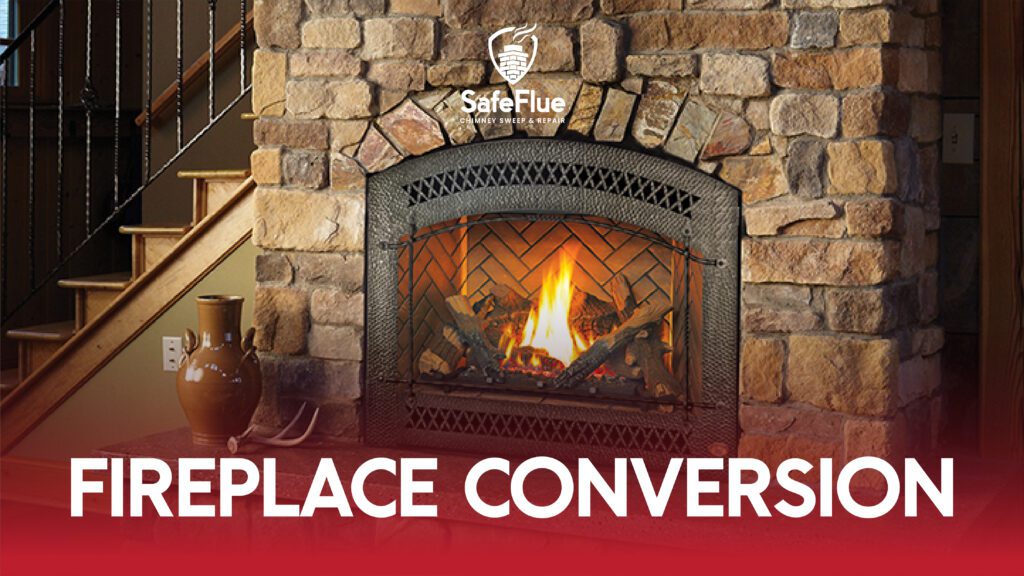
The most common conversion in Dallas is wood-burning to gas. The appeal is convenience: no splitting and hauling wood, no creosote buildup at the same rate, and the ability to control heat with a switch rather than tending a fire.
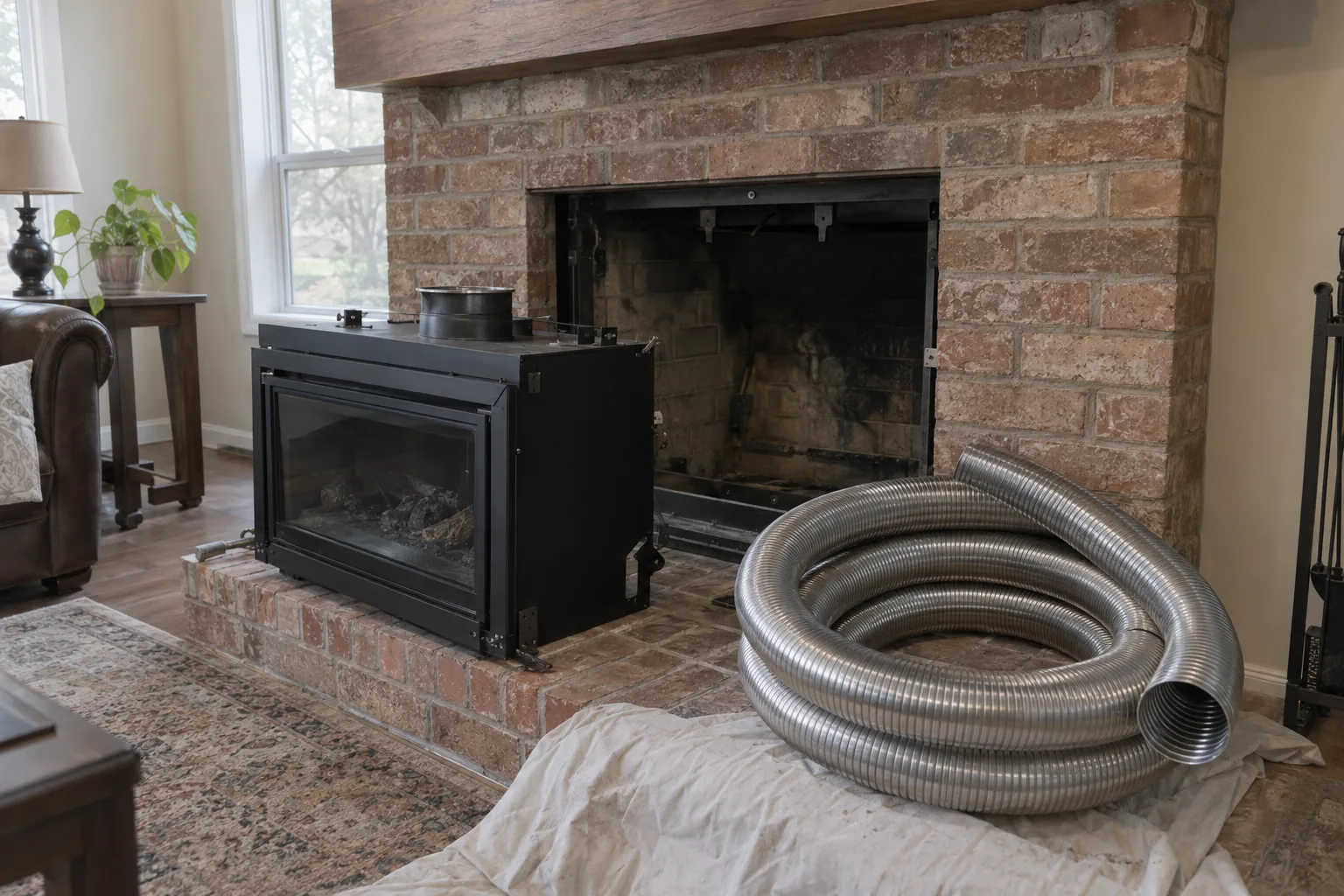
Gas fireplaces produce fewer combustion byproducts, but they still need a properly sized and lined flue. A wood-burning flue is typically too large for a gas insert and must be relined with a smaller stainless steel liner to handle gas exhaust correctly. Skipping this step creates a draft problem and a safety risk.
Some homeowners go the other direction and want to convert from gas back to wood-burning, usually because they bought a house with a gas insert they don't like and want the real fire experience. That conversion is possible but requires a Level 2 inspection first to confirm the flue can handle solid-fuel combustion.
A third category is electric fireplace inserts. These don't require any flue modification at all and are an option for decorative fireplaces where the chimney is not in usable condition. They won't heat a room the way gas or wood does, but they're the lowest-cost conversion path.
Before deciding, it helps to understand what your existing flue looks like. Read our guide on repairing a clay liner vs. switching to stainless to understand the liner trade-offs involved in most conversions.
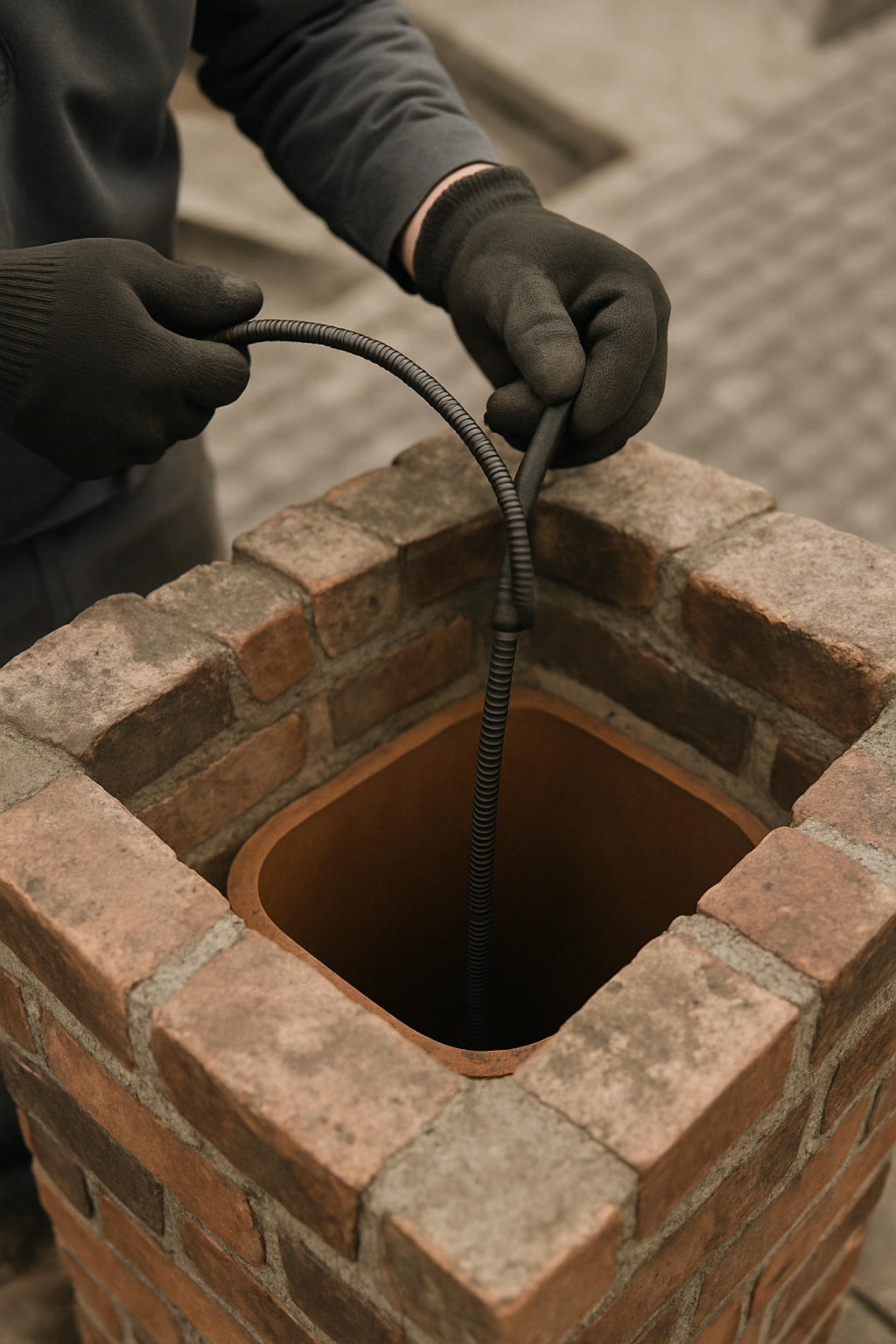
Any fuel-type change requires a Level 2 chimney inspection. This is not optional. The National Fire Protection Association (NFPA) standard 211 requires it. The inspection uses a camera to examine the flue interior, the firebox, and the smoke chamber. We're looking for cracks, deteriorated mortar, missing liner sections, and anything that would make the system unsafe for the new appliance type. A chimney inspection in Dallas typically runs less than the cost of a single chimney repair, and it tells you exactly what you're working with before you spend money on an insert.
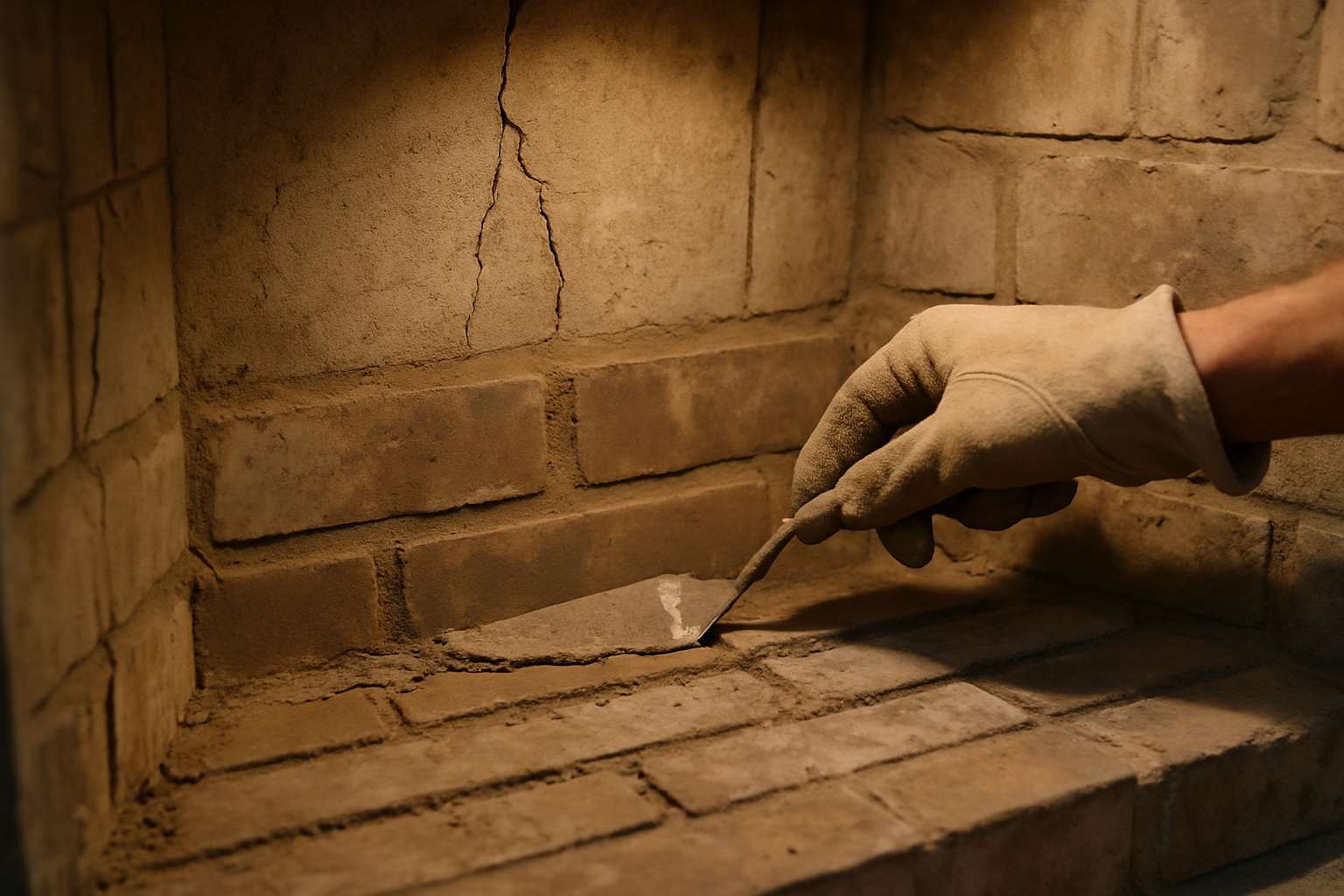
The firebox is the part most likely to need work before a conversion. Cracked refractory panels, spalled brick, and deteriorated mortar joints in the firebox are common in Dallas homes that see real use. A damaged firebox can be patched in some cases, but if the damage is extensive, the firebox needs to be rebuilt before any new appliance is installed. Check our guide on firebox repair in Allen, TX or firebox repair in Richardson, TX for examples of what this work looks like.
Wood-burning flues are sized for solid-fuel appliances, typically 8-inch or 10-inch interior diameter clay tile liners. Gas appliances exhaust at lower temperatures and require a smaller, properly sealed liner, usually 4-inch or 6-inch flexible stainless steel. Installing a gas insert into an unlined or improperly sized flue causes backdrafting, which pushes combustion gases including carbon monoxide back into the living space. If your home needs a new liner, see our resource on chimney relining in Flower Mound, TX.
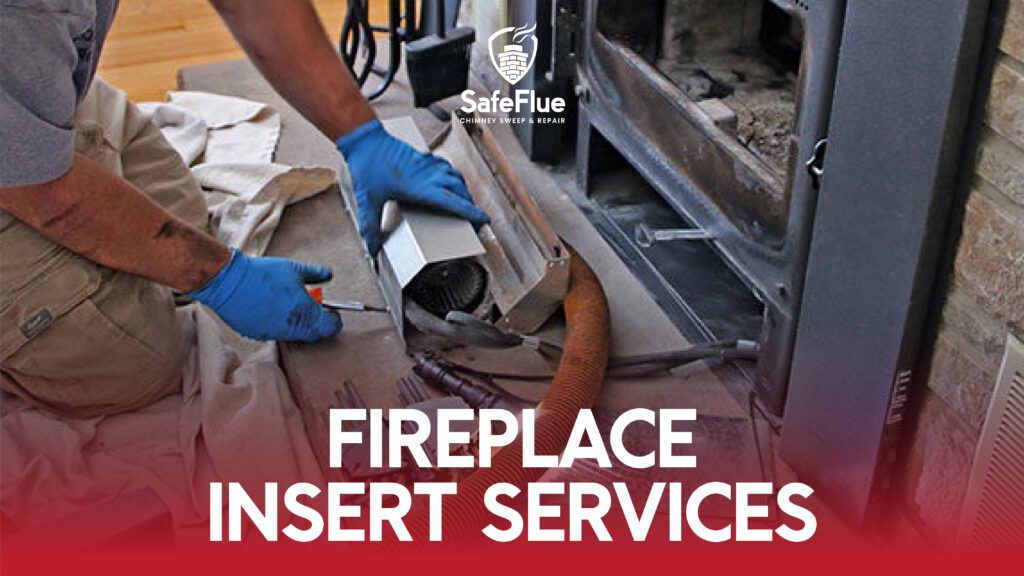
Gas inserts come in a range of BTU outputs and firebox sizes. Getting the BTU rating wrong is a common and expensive mistake. An oversized insert in a small firebox can warp the unit and damage the surround. An undersized unit won't heat the space effectively. The insert needs to physically fit the firebox opening with the proper clearances specified by the manufacturer. We help homeowners choose the right unit for their firebox dimensions and heating needs. See our resource on fireplace insert installation in Frisco, TX for more on this process.
Gas line work must be done by a licensed plumber or gas fitter in Texas. We coordinate directly with licensed gas contractors on conversions that require a new gas line run to the firebox. If a gas line already exists at the fireplace, it still needs to be inspected for proper sizing and shutoff location before we connect a new appliance. Do not attempt to tap a gas line yourself. The City of Dallas requires permits for gas appliance installations, and work done without a permit creates liability issues when you sell the home.
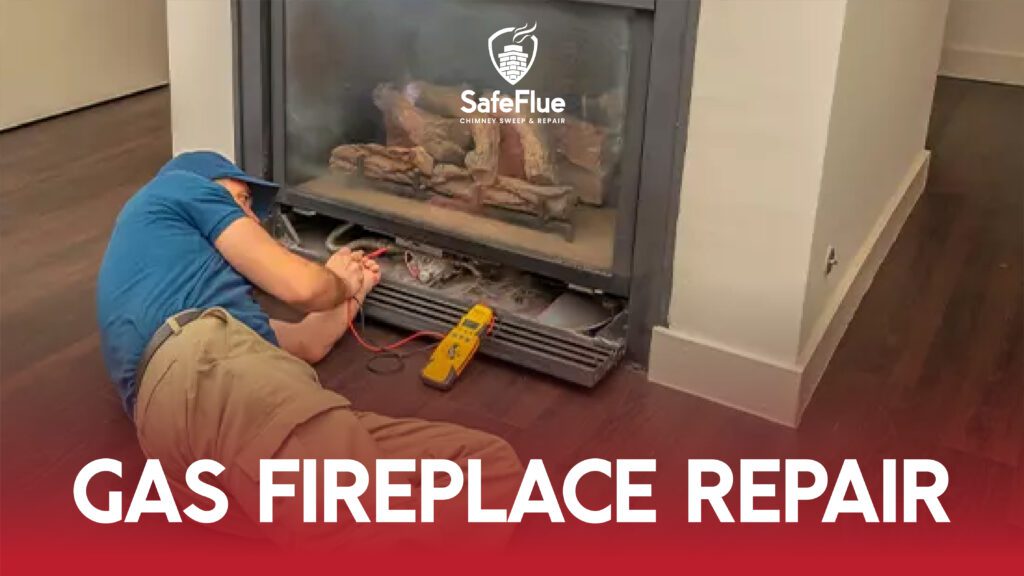
Once the insert is set and connected, we test draft, ignition, and gas pressure. We check for CO at the firebox opening and verify the damper or top-mount closure is properly configured for the new appliance type. Most conversions require a city inspection before the appliance is cleared for use. We provide the documentation needed for that inspection. The full job, from removing the old setup to testing the new appliance, typically takes one full day for a straightforward conversion with no major repairs needed.
These are the errors we see most often when homeowners try to manage conversions themselves or hire someone who doesn't specialize in chimney systems.
For a deeper look at repair errors specific to Dallas fireplaces, see: Fireplace repair Dallas TX: Common Mistakes to Avoid.
Inserting a gas appliance into an old wood-burning flue without relining it is the most common conversion error. It creates backdraft and CO risk.
Homeowners often purchase an insert before anyone has looked at the firebox dimensions or flue condition. The unit may not fit or may require expensive repairs to install safely.
Gas appliance conversions require city permits in Dallas. Unpermitted work shows up in home inspection reports and can complicate or kill a real estate sale.
Installing a new appliance over a cracked firebox or deteriorated smoke chamber just buries the problem. It will surface as a safety issue or a more expensive repair later. See chimney repair mistakes to avoid.
Required before any fuel-type change. Costs vary based on flue height and access. See our 2026 chimney inspection cost guide for current Dallas-area ranges.
Often the largest cost in a wood-to-gas conversion. Price varies with flue height and liner diameter. A two-story chimney costs more than a single-story run. Get an in-person quote.
Gas insert prices vary widely by brand and BTU output. Installation labor is separate from the unit cost. Factor in gas line work if a line doesn't already run to the firebox.
Pricing varies with chimney height, condition, and selected appliance. We provide written estimates after an in-person assessment.
A new gas insert doesn't mean you can ignore the chimney system. The flue still exhausts combustion gases, and those gases include water vapor, which causes liner corrosion over time in gas systems. Annual inspection catches corrosion before it becomes a safety issue.
Dallas weather creates its own maintenance schedule. Summer storm season puts heavy rain on chimney caps and crowns. A cracked crown lets water in, which freezes and expands during the rare hard freeze Dallas gets in winter. That cycle spalls brick and cracks mortar joints at a rate that surprises most homeowners. See our article on Dallas weather and your chimney cap.
If your chimney shows signs of mortar joint failure, repointing is a lower-cost fix than waiting until brick faces start falling. Read about repointing old mortar on historic Dallas chimneys for what this work involves and when it makes sense.
For homes where the rebuild decision is less clear-cut, our guide on partial vs. full chimney rebuild explains how we assess which option fits a given situation. If you're buying a home and need a fireplace checked before closing, see the fireplace inspection checklist for buyers before closing.
Straight answers to what Dallas homeowners ask most about fireplace conversions.
Most can be converted, but the firebox dimensions, flue condition, and gas line access all affect feasibility. A Level 2 inspection tells you what you're actually working with. Some older fireplaces have firebox openings that are too small for available gas inserts, or flue configurations that make relining complicated. We assess all of this before recommending a path forward.
A straightforward wood-to-gas conversion with no major repairs needed typically takes one full day. If the firebox needs repair or the flue needs relining, add time for those steps. Complex jobs or those requiring masonry work may take two to three days spread over multiple visits.
Yes. The City of Dallas requires permits for gas appliance installations. The permit process includes a final inspection before the appliance can be used. We handle the permit coordination as part of the job. If a contractor offers to do the work without pulling a permit, that's a warning sign.
A gas log set sits in the existing firebox and requires the damper to remain open. It's a lower-cost option but less efficient and loses heat up the flue. A gas insert fills the firebox opening with a sealed unit and connects to the flue with a new liner. It's far more efficient and keeps conditioned air from escaping through the chimney when the fireplace isn't in use. For most Dallas homes where heating efficiency matters, an insert is the better choice.
It's possible in some cases, but the flue must be assessed for solid-fuel use. The liner that was installed for gas may not be rated for wood-burning temperatures. The firebox also needs to meet the clearance and construction requirements for solid fuel. We've done this type of conversion, and it typically costs more than the original gas conversion because of the additional structural requirements.
Electric inserts don't require flue modifications and are the simplest conversion path. They work well for decorative fireplaces or situations where the chimney is not in usable condition. The trade-off is heat output: electric inserts don't produce the same warmth as gas or wood-burning appliances, and they add to your electricity bill rather than using natural gas. For a sealed-off decorative fireplace, electric often makes the most sense.
The Level 2 inspection answers this. Common signs of trouble that show up beforehand: smoke backing into the room when the fireplace is used, visible cracks in the firebox walls, white staining on the exterior brick, or a damp smell from the firebox when it hasn't been used. If you notice any of these, read our guide on what soot stains and back-puffing say about your fireplace before scheduling a conversion estimate.
Get Started Today
The right starting point for any conversion is an honest look at your existing chimney system. We'll tell you exactly what needs to happen before you spend money on an insert.
Call (214) 441-6336 to talk through your project. We serve Dallas, Irving, Frisco, Lewisville, Arlington, Garland, Southlake, Denton, Rockwall, Carrollton, and the surrounding DFW area.