Chimney solutions to your problems!
Gas Fireplace Service: How Often Does It Really Need to Be Done?

Dallas, TX Gas Fireplace Service Experts

Gas Fireplace Service: How Often Does It Really Need to Be Done?

Once a year, before the heating season begins. That is the clear answer. Here is why Dallas homeowners with gas logs or inserts cannot skip it, and exactly what happens during a full service visit.

A gas fireplace insert with ceramic logs and a blue-orange flame, set into a brick surround in a Dallas-area home living room, with a visible pilot assembly and thermocouple at the base of the burner

Safe Flue Chimney Sweep

Dallas Gas Fireplace Experts You Can Count On

Why Annual Gas Fireplace Service Matters in Dallas

Gas fireplaces are easy to forget about. They turn on with a switch, produce no visible ash, and feel low-maintenance. That impression is wrong. The components inside a gas fireplace wear out quietly, and the consequences of ignoring them range from a fireplace that will not light to a carbon monoxide leak that goes undetected for weeks.

Learn more about custom fireplace Dallas in Irving, TX

Dallas homeowners typically run their gas fireplaces from November through February. That is a short season, but it is enough to degrade a thermocouple, drift a pilot flame, or allow spider webs and debris to partially block an orifice. Sitting unused through a hot Texas summer also allows moisture to affect the gas valve and burner components.

Our services span sweeping, inspection, repair, rebuild, and full fireplace services. Whether you have freestanding gas logs or a sealed gas insert, we know what to check and why. Call us at (214) 441-6336 to schedule your pre-season service.

The Core Reasons You Cannot Skip Service

Why Dallas Homeowners with Gas Logs Cannot Skip Annual Service

Gas fireplaces have specific failure points that do not announce themselves until something goes wrong. These are the three that matter most.

Thermocouple Wear

The thermocouple is a small sensor that sits in the pilot flame. It generates a tiny electrical current that tells the gas valve the pilot is lit. If the thermocouple fails or degrades, the valve closes as a safety measure and the fireplace will not stay on. This is the single most common reason a gas fireplace lights briefly and then shuts off.

Thermocouple tips oxidize over time. In Dallas, units that run through a humid spring and summer before being fired up in November are particularly prone to this. A technician checks the millivolt output during service. A reading below about 25 millivolts typically means the thermocouple needs replacing before the season starts.

Pilot Light Drift

A standing pilot flame that has drifted off its intended position will not heat the thermocouple correctly even if the thermocouple itself is fine. Pilot orifices can partially clog with spider webs, dust, or mineral deposits from the gas supply. This is extremely common in Dallas homes where the fireplace sits dormant through a long off-season.

A drifted or weak pilot also produces incomplete combustion. That means carbon monoxide can form in small amounts even when the fireplace appears to be operating normally. You will not smell it. You may not notice anything until CO levels in the room build up over several hours of use. This is why pilot condition is checked during every service visit.

Carbon Monoxide Risk

Carbon monoxide is the most serious safety concern with any gas appliance. It is colorless and odorless. A cracked heat exchanger, a blocked vent, or incomplete combustion at the burner can all produce CO without any obvious sign at the fireplace itself.

The U.S. Consumer Product Safety Commission recommends annual professional inspection of all gas heating appliances. For gas fireplaces, that means checking burner combustion quality, vent integrity, and the condition of seals on sealed-combustion inserts. A CO detector in the room is a good backup, but it is not a substitute for a properly serviced appliance.

Vent and Flue Blockages

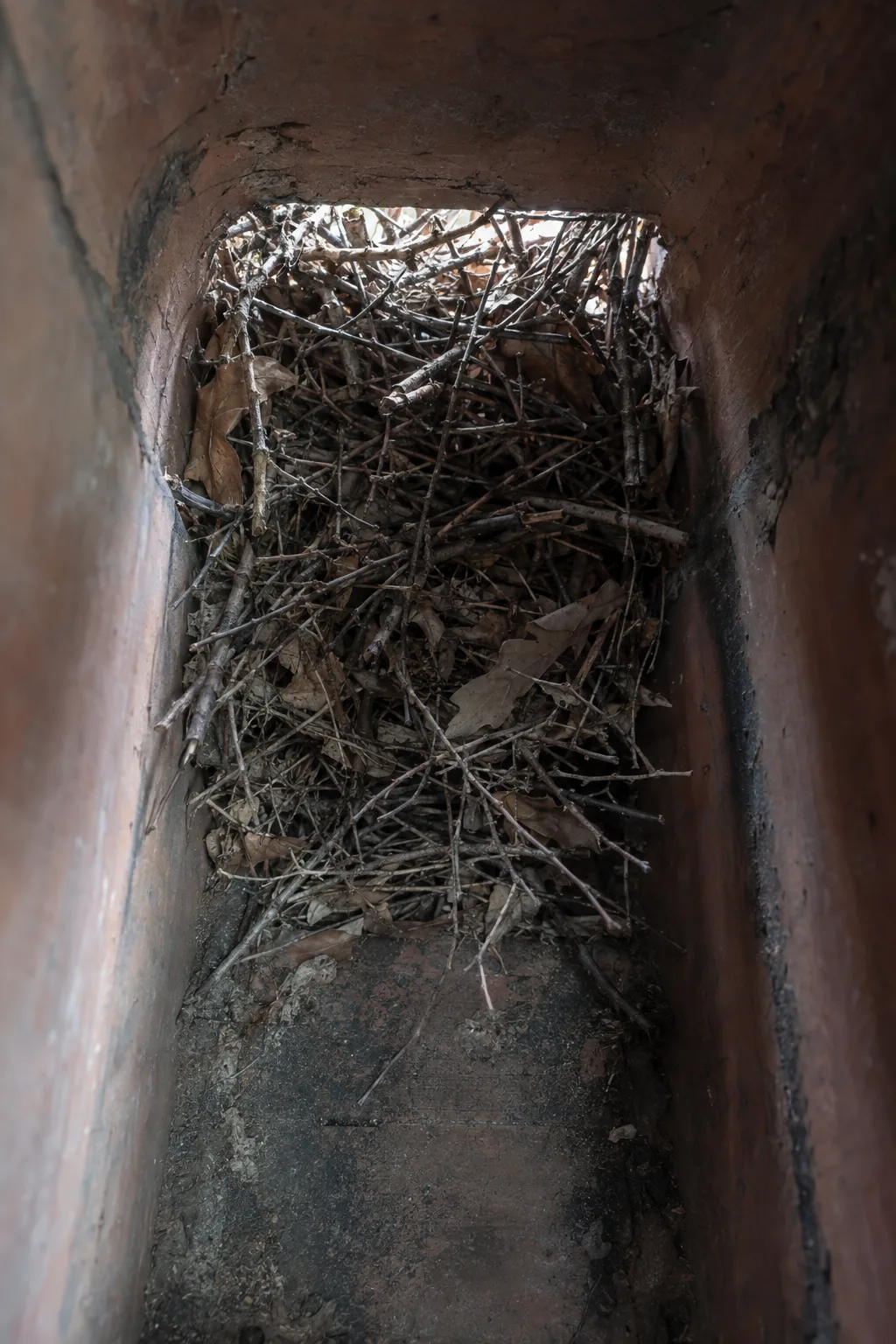
Gas fireplace vents can accumulate debris, bird nests, or wasp nests over the off-season. A blocked vent means combustion gases, including CO, cannot escape the home. Direct-vent gas fireplaces pull outside air through a coaxial pipe. If that intake is partially blocked, combustion quality drops noticeably.

B-vent and natural-vent gas fireplaces use the home's chimney flue, which is subject to all the same blockage risks as a wood-burning system. See our full guide on gas chimney inspection in Dallas for what those systems require.

Gas Valve and Ignition Component Degradation

Electronic ignition systems use igniters and control boards that wear over time. Millivolt systems rely on the pilot assembly generating enough current to keep the valve open. Dallas's humidity swings, combined with months of non-use, accelerate contact oxidation on both types of systems.

A fireplace that clicks but does not ignite is not just an inconvenience. It may be releasing small amounts of unburned gas before the igniter fires. Annual service catches this before the first cold night of the year when you actually need the fireplace to work.

Glass, Gasket, and Seal Condition

Sealed gas inserts have a ceramic glass panel and a gasket that prevents combustion gases from entering the room. That gasket degrades with repeated heating and cooling cycles. A cracked glass panel or a compressed gasket on a sealed insert is a direct path for CO into the living space.

Most homeowners never inspect the gasket. A technician checks compression during service and will tell you if it needs replacing. This is a straightforward repair that becomes a significant hazard if it goes unaddressed. For professional gas fireplace repair and service, call our Dallas team directly at (214) 441-6336.

Pre-Season Checklist

Seasonal Gas Fireplace Checklist for Dallas Homeowners

Run through these checks each October before you light the fireplace for the first time. If anything on this list is unclear or gives you a result you did not expect, call a technician before proceeding.

Visual Inspection of the Firebox

Look for soot deposits on the glass, which can indicate incomplete combustion from the previous season. Check that the ceramic logs are in the correct position as shown in your owner's manual. Logs placed wrong disrupt the burner flame pattern and increase CO production.

Pilot Flame Color and Shape

Light the pilot and observe the flame. It should be blue with a small yellow tip and should wrap around the thermocouple tip firmly. A mostly yellow or orange flame, or one that barely touches the thermocouple, indicates a dirty orifice or low gas pressure. Do not proceed with normal operation until this is corrected.

Vent Termination Cap Check

Go outside and look at where your gas fireplace vents terminate on the exterior wall or roof. Check for wasp or bird nests at the cap. Direct-vent systems have both an exhaust outlet and an air intake, usually as concentric rings. Both need to be clear. A blocked intake causes the same combustion problems as a blocked exhaust.
What a Technician Checks

What Happens During a Full Gas Fireplace Service Visit

  1. Gas Supply and Pressure Check

    The technician confirms gas is reaching the appliance at the correct pressure. Low supply pressure causes weak flames and incomplete combustion. High pressure can damage the valve or create an oversized flame that scorches components. This check takes about five minutes but catches supply problems that the homeowner would never identify on their own. Most jobs take 1.5 to 3 hours total, depending on the system type and condition.

  2. Pilot Assembly Cleaning and Output Test

    The pilot orifice is cleaned with compressed air to remove spider webs and debris. The thermocouple millivolt output is measured. A thermopile system (used in remote-control and wall-switch fireplaces) produces a higher voltage and has its own output threshold. Both are tested against manufacturer specs. If output is marginal, replacement is done on the spot. The National Fire Protection Association's NFPA 54 standard for gas installations covers the requirements for standing pilot systems in residential appliances.

  3. Burner and Log Set Inspection

    The burner ports are inspected for blockage and the log set is checked for correct positioning. Ceramic fiber logs crack over time, and fragments can fall onto the burner ports. The technician also checks that the ember material or sand between the logs has not shifted to block ports. This is one of the steps homeowners most often skip because it requires removing the logs entirely.

  4. Combustion Quality Check

    The technician observes the main burner flame pattern during normal operation. A properly operating gas fireplace should produce a stable blue flame with yellow tips at the log contact points. Excessive yellow, rolling flames, or sooting on the glass or logs indicates a combustion problem that needs correction. This is the primary indicator of whether CO is being produced at unsafe levels.

  5. Vent and Flue Integrity

    For B-vent and natural-vent systems, the flue is inspected. For direct-vent systems, the coaxial pipe joints are checked for proper sealing and the exterior termination cap is inspected. A cracked vent pipe joint inside the wall is a CO hazard that cannot be detected by smell. If your gas fireplace uses the main chimney flue, see our articles on how often Dallas homeowners should get their chimney cleaned for the cleaning requirements that apply to your system.

Common Questions

How Often to Service Gas Fireplace: What Dallas Homeowners Ask

These are the questions we hear most often when homeowners call us at (214) 441-6336. Short, direct answers below.

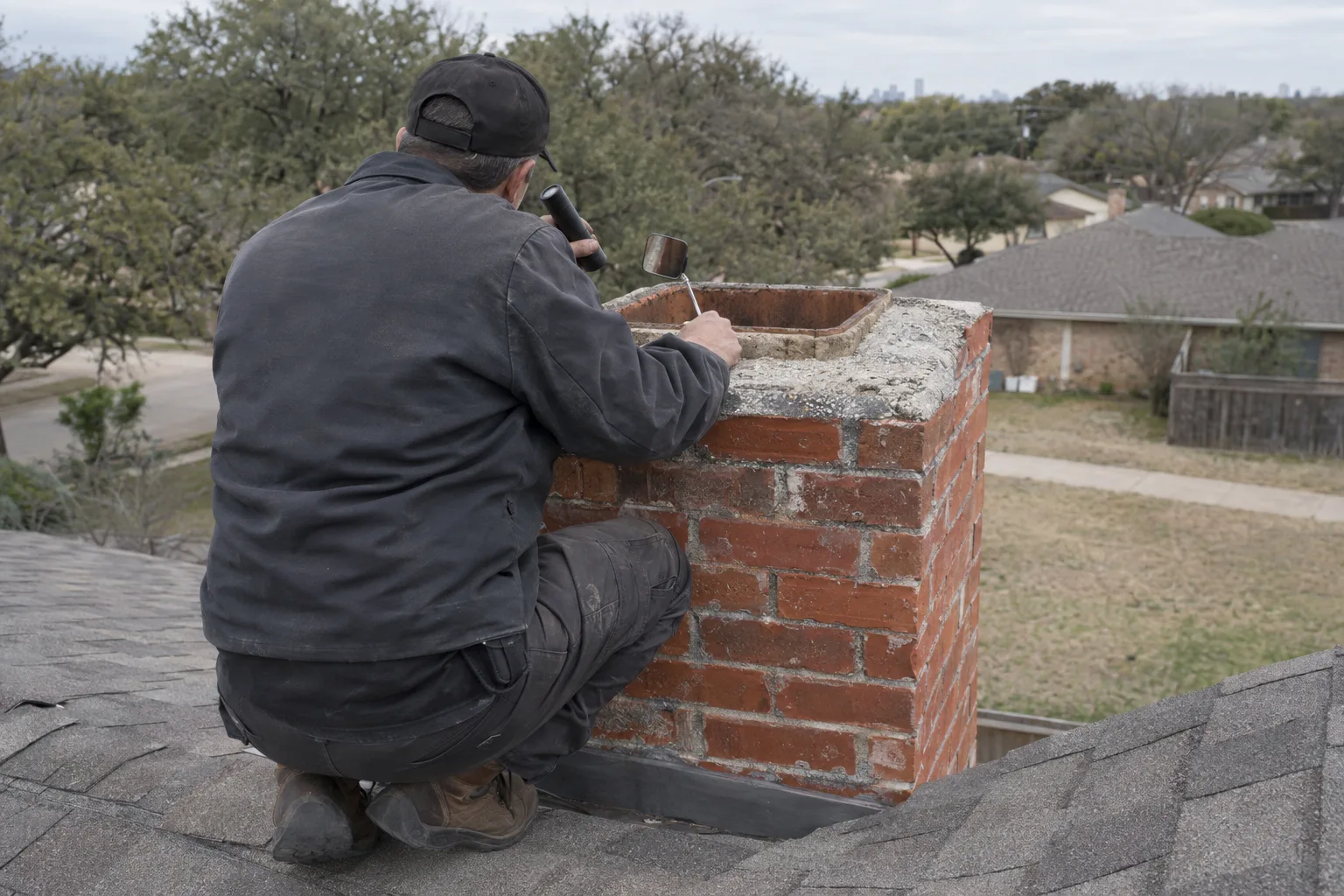
A chimney technician kneeling in front of an open gas fireplace insert in a Dallas home, using a combustion analyzer tool near the burner while the pilot flame is visible in the background

How often should I service my gas fireplace?

Once per year is the standard, and the right time is before you use it for the first time each season. In Dallas, that means September or October. That timing lets a technician find and fix any problems before you need the fireplace in November. The NFPA 211 standard calls for annual inspection of all heating appliances using chimneys or vents. Gas fireplaces are not excluded. If your unit runs heavily, more than 200 hours per season, consider a mid-season check as well.

My gas fireplace has a standing pilot. Does the pilot running year-round count as continuous maintenance?

No. A running pilot means the thermocouple is being used, but it does not mean the system has been inspected. The thermocouple tip still oxidizes over time. The burner ports still accumulate debris. The vent termination still needs to be checked. Annual service covers components that the standing pilot does nothing to address, including the gas valve, burner condition, and vent integrity. Running the pilot continuously through summer does keep moisture from condensing on the valve internals, which is a minor benefit, but it is not a substitute for service.

What does a gas fireplace service actually cost in Dallas?

Service costs vary based on the type of system, its age, and what the technician finds. A straightforward annual cleaning and inspection is one cost. A visit that includes replacing a thermocouple, cleaning clogged burner ports, and reseating a log set takes more time and parts. We give you a clear scope before any work begins. Call us at (214) 441-6336 for a specific quote based on your system.

Can I service a gas fireplace myself?

Some basic tasks are reasonable for a homeowner: wiping down the glass, repositioning logs that have shifted, and checking the exterior vent cap. Everything involving the gas valve, pilot orifice, or thermocouple output requires a meter and knowledge of the specific system. Working on the gas valve without that knowledge risks a dangerous gas release. The millivolt output test that determines thermocouple health requires a multimeter and an understanding of what the reading means for your specific valve. This is not a complicated job for a technician, but it is not a safe DIY task for most homeowners.

Does a gas fireplace need a chimney sweep too?

It depends on the venting type. B-vent and natural-vent gas fireplaces use a chimney flue and should be swept and inspected annually, just like a wood-burning system. Direct-vent fireplaces do not use the main flue, so chimney sweeping is not required, but the coaxial vent pipes still need to be inspected for joint integrity and blockage. See our full comparison of wood vs. gas fireplace cleaning needs at how often to clean a chimney for wood-burning vs gas fireplaces in Dallas.

My fireplace lights but the flame looks yellow and sooty. Is that a service issue?

Yes. A yellow, rolling flame on a gas fireplace indicates incomplete combustion. This produces carbon monoxide. The ceramic logs may be out of position, the burner ports may be partially blocked, or the gas-to-air mixture may be off. Stop using the fireplace until it has been serviced. Open a window briefly to ventilate the room and check your CO detector. This is exactly the kind of problem annual service is designed to catch before you reach this point. Call our Dallas team at (214) 441-6336.

Keep Reading

Additional Gas Fireplace Resources

Gas fireplace service connects to several related topics. These articles cover the adjacent issues Dallas homeowners commonly run into when maintaining their gas systems.

Safe Flue Chimney Sweep and Repair

Ready to Schedule Your Pre-Season Gas Fireplace Service?

October is the right time to service your gas fireplace in Dallas before the first cold night of the season. Our technicians check thermocouples, pilot assemblies, burner condition, vent integrity, and combustion quality. We serve Dallas and the surrounding DFW area. Most service visits are completed in under three hours.

Call (214) 441-6336 Schedule Gas Fireplace Service

Thermocouple and pilot testing included

We measure millivolt output and clean the pilot orifice on every service visit, not just when something fails.

Full-service capability

Sweeping, inspection, repair, rebuild, and fireplace services. One call covers it all.

Combustion quality check on every visit

We observe the main burner flame and check for signs of incomplete combustion before we leave.

Serving all of DFW

Dallas, Garland, Carrollton, Denton, Arlington, Flower Mound, Southlake, Saginaw and more.

info@safefluechimneysweepandrepair.com

Or call (214) 441-6336 to speak directly with our team