

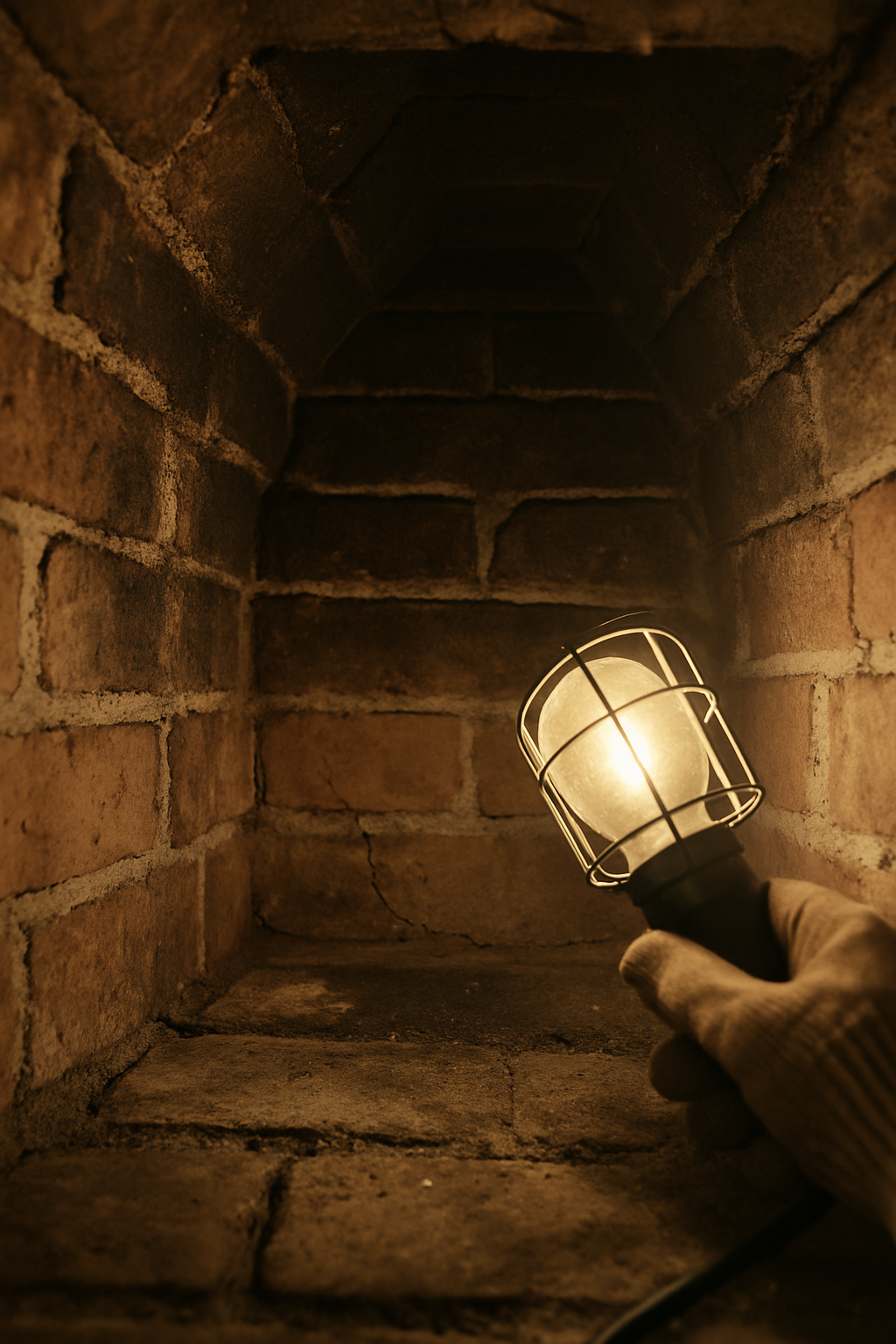
The smoke chamber is one of the most overlooked parts of a fireplace system. If yours is cracked, unlined, or coated in creosote, you need straight answers before lighting another fire.
Safe Flue Chimney Sweep & Repair
Learn more about chimney repointing Dallas in Plano, TX →
Learn more about smoke chamber repair Dallas in Dallas, TX →
Safe Flue handles the full range of chimney work for Dallas-area homeowners: sweeping, inspection, repair, rebuild, and fireplace services. We work on wood-burning and gas systems, masonry chimneys, and prefabricated units across Dallas and surrounding communities.
Most homeowners don't think about their chimney until something goes wrong. A smoke chamber problem rarely announces itself loudly. You might notice smoke rolling back into the room, a persistent burning smell even when the fireplace is cold, or dark staining above the firebox opening. Any of those signs is worth investigating before the next fire season.
Dallas's climate adds its own stress. Summer heat expands masonry. Winter cold contracts it. After enough cycles, even well-built chimneys develop cracks in the smoke chamber that allow combustion gases and heat to reach framing they were never meant to touch.
We only recommend work that's actually needed.
Dallas and dozens of surrounding cities.
Most smoke chamber repairs and inspections are completed in a single visit, though complex parging jobs may require a follow-up once material cures.
We cover these and more:
Everything Dallas homeowners need to know about this often-missed part of the fireplace system.
The smoke chamber sits directly above the firebox and below the flue. Its job is to compress combustion gases and funnel them upward into the flue without letting heat or smoke back into the room. The walls of the smoke chamber take a serious beating every time you use your fireplace. They're exposed to direct flame contact, high heat, acidic combustion byproducts, and moisture from rain that enters the flue.
Dallas summers routinely hit 100°F or higher, then drop sharply in winter. That thermal cycling works on mortar joints and brick over time. Many older Dallas homes have corbeled smoke chambers, meaning the bricklayer stepped bricks inward to form the chamber walls rather than pouring a smooth parged surface. Those stepped brick ledges collect creosote and debris, restrict airflow, and are nearly impossible to clean without professional equipment.
See also: Smoke Chamber Trouble? What Soot Stains, Back-Puffing, and Odors Say About Your Fireplace
The most common smoke chamber repair is parging: applying a heat-resistant refractory mortar to the interior walls of the chamber to create a smooth, continuous surface. This closes cracks, fills voids in corbeled brick, and dramatically reduces creosote accumulation.
The process typically goes like this:
For related reading: L1 vs L2 Chimney Inspection: What Each Covers For Dallas Homes
The hands-on work usually takes 2 to 4 hours. If the chamber is heavily corbeled or has significant structural damage, budget for a full day. The refractory mortar needs 24 to 48 hours to cure before the fireplace is safe to use, so plan accordingly if you're scheduling before a cold snap.
Severely deteriorated chambers may require partial firebox reconstruction before parging is possible. That's a longer job, typically 1 to 2 days of labor. We'll tell you upfront what the inspection reveals so there are no surprises once work starts.
Related: What to Expect During Masonry Chimney Repair Dallas
The National Fire Protection Association (NFPA) and the Chimney Safety Institute of America (CSIA) both recommend that smoke chamber walls be smooth and free of voids. Corbeled brick construction doesn't meet that standard.
Parging with a refractory mortar is the accepted method for bringing an existing corbeled chamber up to standard. This is different from lining the flue, which is a separate component above the smoke chamber. If your flue liner also needs attention, we can evaluate both during the same inspection visit.
See: Repair the clay liner or switch to stainless? How Dallas homeowners can choose with confidence
Corbeled chambers are creosote traps. The stepped brick ledges give creosote a surface to cling to, and each fire adds another thin layer. Third-degree creosote, the hard, tar-like coating that's most dangerous, forms most often in areas where airflow slows down, and the smoke chamber is exactly that kind of zone.
Heavy creosote buildup must be removed before parging. Applying refractory mortar over active creosote deposits doesn't fix the problem; it buries it. Proper cleaning first is non-negotiable.
More detail: Creosote Warning Signs You Can Spot From Your Living Room
Technically, refractory mortar is available at some masonry supply stores. But the smoke chamber is inside a confined space above a firebox, and reaching all wall surfaces requires experience with specialty tools. More importantly, you can't diagnose what you can't see.
Cracks in the smoke chamber sometimes indicate deeper structural problems with the surrounding masonry or a failing flue liner. Missing those during a DIY parge job means you've addressed the surface while the real problem continues. A camera inspection before any repair is the only way to know what you're actually dealing with.
Cost varies based on chamber size, the extent of damage, and whether any prep work is needed. A straightforward parge job on a single-story residential fireplace is less involved than repairing a smoke chamber on a two-story chimney with significant corbeling and heavy creosote. We provide a written estimate after inspection, not before.
What we can say: skipping this repair costs more in the long run. Fire damage from a compromised smoke chamber, or carbon monoxide intrusion from cracked mortar joints, are significantly more expensive problems than a planned repair.
See our Chimney Inspection Cost in Dallas (2026 Guide) for pricing context.
A cracked smoke chamber with voids in the mortar allows heat and combustion gases to migrate into the surrounding masonry and potentially into wall cavities. Over time, this degrades the structural integrity of the chimney above the firebox and creates a hidden fire hazard.
Carbon monoxide is the other risk. Gas fireplaces vent through the flue the same way wood fires do, and if combustion gases are escaping through smoke chamber cracks rather than going up the flue, they can enter living spaces. CO is colorless and odorless, and it builds up without obvious warning.
Both gas and wood-burning fireplaces route combustion gases through the smoke chamber. Gas systems produce less creosote, but they generate more moisture and acidic condensate, which can erode mortar differently than wood fire byproducts. Gas fireplaces in Dallas homes are not immune to smoke chamber deterioration. They're just deteriorating for different reasons.
If you converted from wood to gas and haven't had the smoke chamber inspected since, schedule an inspection. The conversion changes the thermal and chemical environment inside the chimney, and the existing masonry may not be behaving the same way it did before.
Related: How Often To Clean A Chimney For Wood-Burning vs Gas Fireplaces in Dallas
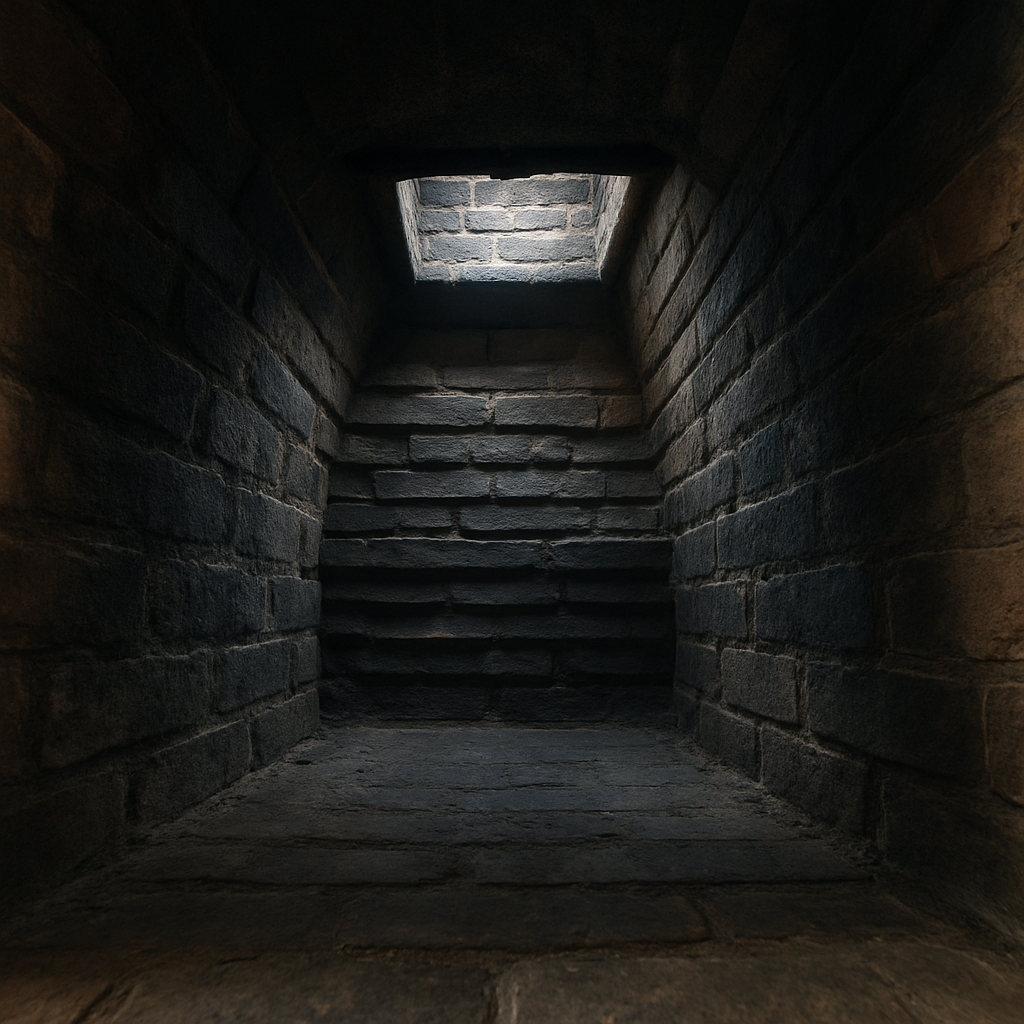
Annual inspections are the standard recommendation from the NFPA and CSIA. For Dallas homeowners, late summer or early fall is the practical window: before fireplace season starts, while the weather is still predictable enough to get work done without fighting holiday scheduling.
You should also schedule an inspection outside the annual cycle if you've noticed any of the warning signs listed earlier, after any structural work on or near the chimney, or if you've just purchased a home and don't have documentation of the last inspection.
Chimney Sweeping Cost in Dallas (2026 Guide) | Chimney Cleaning in Dallas, TX
Smoke chamber problems rarely exist in isolation. When the smoke chamber has cracks, the surrounding firebox and the mortar joints between the firebox bricks are often showing wear too. A camera inspection usually reveals what the full picture looks like.
Common companion repairs include firebox re-lining, chimney crown repair, and repointing of mortar joints on the exterior. Some homeowners also address the chimney cap and waterproofing at the same time to protect their new repair from moisture damage.
Safe Flue serves Dallas and dozens of surrounding communities. If you're not sure whether we cover your area, call (214) 441-6336 and we'll tell you directly.
The safest thing you can do before the next fire season is get eyes inside your smoke chamber. A camera inspection takes about an hour and gives you a clear picture of what, if anything, needs to be done.
Call (214) 441-6336 to schedule with Safe Flue Chimney Sweep And Repair. We serve Dallas and the surrounding DFW area. If you'd prefer to start with information, browse our full chimney sweep Dallas guide or explore our chimney rebuilding services if you're facing more extensive damage.
Written Estimates Before Work Starts
We inspect first, then tell you exactly what's needed and what it costs. No surprises on the invoice.
Full-Service Capability
Sweeping, inspection, smoke chamber repair, liner replacement, crown repair, waterproofing, and full chimney rebuilds. One crew for all of it.
Dallas Area Specialists
We work specifically in DFW and understand how the local climate affects masonry. We're not a national franchise applying generic protocols.
Camera Inspection Included
Smoke chamber work requires seeing inside. We use a chimney camera so you know exactly what's going on before any decision is made.
Smoke chamber damage is one of those problems that's cheap to fix early and expensive to ignore. If you haven't had your chimney inspected in the last year, this is your reminder to schedule it.
© 2026 Safe Flue Chimney Sweep And Repair. Dallas, TX. All rights reserved.