

Wondering how often to clean a chimney? For wood fireplaces, get a check every year and clean when creosote hits 1/8 inch, or around every 50 to 80 fires. Heavy users should plan a mid-season sweep too. For gas fireplaces, schedule a yearly inspection, and clean the vent and unit every 1 to 2 years, or sooner if you see soot or smell exhaust.
Wood vs gas timelines at a glance
- Wood-burning fireplace
- Daily winter use, sweep twice a year, mid-season and after the season.
- A few nights a week, sweep every year.
- Only on cold weekends, inspect yearly, sweep every 1 to 2 years or when creosote reaches 1/8 inch.
- Gas fireplace
- Vented gas logs or direct-vent units, inspect yearly, clean every 1 to 2 years.
- Ventless gas logs, no chimney flue to clean, but service the logs and safety parts yearly. Keep a carbon monoxide alarm in the room.
Why chimneys build up gunk
Fire leaves byproducts. Wood smoke makes creosote. It starts as a flaky brown layer, then turns sticky and shiny if it cools and hardens. That sticky glaze can catch fire. Gas burns cleaner than wood, but it still leaves fine soot and water vapor. That mix can be mildly acidic and can corrode metal vents. Birds, squirrels, and wind-blown leaves add to the mess. In Dallas, cottonwood fluff and live oak leaves love to find their way into caps. If the cap is missing or the screen is bent, the flue turns into a tiny attic for critters.
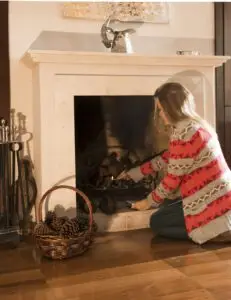
Wood fireplaces, how often to clean and when
Start with the rule from national fire code, inspect every year. Clean as needed. Needed means creosote is at 1/8 inch, or you see heavy soot, or you smell a sharp tar odor from the firebox.
Ways to judge your schedule
- Count fires. If you burn near daily in December and January, plan a sweep halfway through winter and again at the end. Think 60 to 80 fires per sweep.
- Weekend use only. Around 10 to 20 fires a season. Inspect each fall. Clean every other year, unless you hit that 1/8 inch layer.
- New home or new stove. Get a baseline inspection before the first fire.
- After a sweep, keep notes. If your flue builds fast, move to a shorter cycle.
What helps reduce creosote
- Burn seasoned wood. Aim for wood at or under 20 percent moisture. Split logs and let them dry for 6 to 12 months. Oak and pecan do well here. Mesquite burns hot, but it can spark, so use a screen.
- Start small, then burn hot. A hot, bright fire makes less smoke. A smoldering fire is like a smoker that never quits, it paints your flue.
- Keep the damper open. Choked air makes smoke, smoke makes creosote.
- Use the right size logs. Thick rounds that barely fit will smolder. Split them.
How to tell if your wood flue needs service now
- Shine a light up the flue. If you see 1/8 inch of black layer, it is time. If it looks shiny and hard, that is glaze. Stop burning and call a sweep.
- Smell check. A strong campfire or tar odor in warm weather points to build-up.
- Smoke rollout. Smoke drifting into the room when you start a fire points to a blocked or dirty flue, or a cold stack that needs priming.
- Orange or lazy flames with soot flakes in the air, that is a soot factory. Stop and schedule a clean.
Gas fireplaces, how often to clean and when
Gas systems seem clean. Still, they need care. Dust, pet hair, and lint collect on burners. Soot can stain logs and glass if the flame pattern is off. Vents can rust or shift in storms.
Know your type
- Direct-vent gas fireplace. It uses a sealed glass front and a metal vent. Inspect yearly. Clean the glass, check the vent joints, clear any bird nests at the cap. Many homes in Dallas condos and townhomes use these units.
- Vented gas logs in an open fireplace. You still use the chimney. Inspect yearly and clean the flue every 1 to 2 years. If you see black on the logs or glass doors, call sooner.
- Ventless gas logs. No flue, but you still need a yearly safety check, burner tune-up, and air quality check. Use a carbon monoxide alarm. Crack a window for fresh air during use.
Signs your gas unit needs service
- Soot on the logs or glass. That means poor burn mix. It can also mean the damper is not open on vented sets.
- Rotten egg smell, gas odor means shut off and call the gas company first. Then call a pro for repair.
- White film on glass. That is mineral film from moisture. Service can help reduce it.
- Pilot light goes out or struggles. The sensor might be dirty.
A quick Dallas story
I met a homeowner off Preston Road who said, My gas logs are clean, I never touch them. I asked, How often do you burn? He said, Every cold snap. We opened the glass. The burner ports were fuzzy with dust bunnies. The cap had a small nest, thanks to a curious bird off Turtle Creek. A simple clean and the flames went from sad blue to steady yellow. The room felt warmer, and the glass stayed clear.
What we usually see in Dallas, TX
- Lots of clay tile flues in older ranch homes in Lake Highlands and Lakewood. Tiles can crack in a hard freeze then leak smoke into the chase.
- Metal factory-built chimneys in townhomes near Uptown, often with rusted caps from summer storms.
- Caps missing screens in Oak Cliff, which invites chimney swifts in spring. They love narrow flues.
- After big wind on I-35E or US 75, we find caps bent and leaves stuffed into crowns.
Dallas weather and your chimney
- Summer heat cooks sealant. Crowns and flashing can crack and let in rain. Then soot turns into a paste that holds more soot.
- Humid weeks bring rust to metal caps and chase covers. Rust flakes fall into the flue, which can snag soot.
- Strong storms blow in leaves, twigs, and nests. That blocks draft. A cap with a screen helps a lot.
- Rare ice days cause freeze-thaw cracks in brick and mortar. Water gets in, freezes, and expands. Small gaps become big leaks. Fix small cracks before they grow.
Simple rules of thumb you can trust
- Burn three nights a week in winter, plan a yearly sweep.
- Burn daily, plan two sweeps, mid-season and end-of-season.
- See 1/8 inch of creosote at any time, clean now.
- Switch from wood to gas logs, still inspect every year.
- Smell smoke in the room, stop and call for a check.
- Move into a home with a chimney, inspect before first use.
- Add a cap with a screen, it keeps out 90 percent of leaf and critter trouble.
If this happens, do this
- If smoke spills when you start a fire, then warm the flue with a rolled newspaper held near the damper, and schedule a sweep.
- If the room smells like tar on warm days, then stop burning and book a cleaning and an inspection for leaks.
- If your gas glass turns black, then stop use, open the damper if you have vented logs, and call for service.
- If you hear chirping from the flue, then do not light the fireplace. Birds may be nesting. Call a pro, as many birds are protected.
- If you see sparks shooting up the flue, then close the screen, keep the damper open, and call the fire department if it roars. After that, schedule a full level 2 inspection.
- If rain drips into the firebox, then check for a missing cap or cracked crown and call for repair.
Common myths and facts
- Myth – Gas fireplaces never need cleaning. Fact – They need yearly checks. Dust, soot, and rust still build up.
- Myth – Softwood like pine ruins chimneys. Fact – Wet wood, soft or hard, makes more creosote. Dry wood matters more than species.
- Myth – Small cool fires are safer. Fact – Cool fires smoke more and build creosote faster. Hot, bright fires are cleaner.
- Myth – Creosote sweeping logs replace a sweep. Fact – They can make some flakes brittle, but they do not remove glaze. A brush and pro tools are still needed.
How to check creosote thickness
- Use a bright flashlight and a small mirror. Look up past the damper.
- Scratch the soot with a metal key. If it smears like tar, that is stage two or three. If it flakes like coffee grounds, that is stage one.
- If the layer is as thick as a nickel edge, that is more than 1/8 inch. Time to clean.
Wood storage tips that pay off
- Stack wood off the ground on rails or pallets. Keep the top covered, leave sides open for air flow.
- Split logs to speed drying. Thick rounds hold water like a sponge.
- Keep a small piece of wood near your stack. Weigh it in your hand now and then. As it dries, it gets lighter. Light wood burns better.
- Use a simple moisture meter. Aim for 20 percent or less.
Draft and airflow basics
- Open the damper all the way before lighting.
- Crack a nearby window for a minute during start-up. It feeds the fire and helps draft.
- Warm the flue with a lit twist of newspaper near the throat before the main fire. A warm flue pulls like a straw.
- Avoid running kitchen hoods or big bath fans while starting a fire. They fight your chimney by pulling air out of the house.
Caps, crowns, and liners
- A cap with a spark screen keeps out rain, leaves, and animals. It also helps stop hot sparks.
- A sound crown sheds water. Small cracks turn into leaks. Seal small cracks early.
- A metal liner or sound clay tiles carry smoke up and out. Damaged liners leak heat to walls. That is a hidden risk. A camera scan during an inspection spots this.
Safety notes that matter
- Place a carbon monoxide alarm near bedrooms and near gas units. Test it each month.
- Keep a metal ash bucket with a lid. Store ashes outside on concrete or dirt for at least 3 days before you toss them.
- Keep rugs and furniture at least three feet from the fire.
- Use a screen with open fireplaces. Sparks are quick.
- Kids and pets love to watch fires. Set clear rules. Hot glass on gas units can burn hands. Use a safety screen.
Care schedule
Weekly during burning season
- Scoop ashes to keep a 1 to 2 inch bed. Too much ash chokes air.
- Wipe glass doors with a soft cloth once cool. Use a cleaner made for fireplace glass.
- Check that the damper opens and closes smoothly.
Monthly during burning season
- Look up the flue with a light. Watch for flakes and sticky spots.
- Check the cap from the ground. Look for tilt, missing screen, or rust stains.
- Vacuum dust from gas burners and air inlets with the power off.
Yearly
- Book a level 1 inspection before the first cold front. Clean the chimney if needed.
- For gas, service the unit, clean the glass, check the vent, and test safety sensors.
- After big spring storms, add a quick off-season check for cap damage.
When to schedule in Dallas
Beat the rush. Late summer or early fall is smart. We also suggest a mid-season slot for heavy wood users, often in early January. Many Dallas families notice issues right after the first cold snap. Slots fill fast when temps drop.
What cleaning looks like
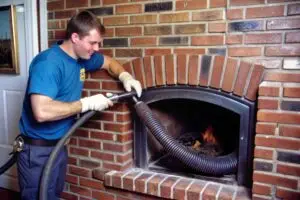
A pro will lay down drop cloths, set up a HEPA vacuum, and brush the flue from top or bottom. We clean the smoke shelf, check the damper, and inspect the liner. For gas units, we clean the burner, check the pilot, clean or replace embers, and clear the vent. A camera scan can spot hidden cracks or offsets. You get photos and clear notes you can keep.
Special notes for different home types
- Older bungalows near the M Streets often have short chimneys that tend to downdraft. A top-mounted damper or a taller cap can help.
- Two-story homes in Far North Dallas can have long exterior chimneys that cool fast. Cooler flues build more creosote. Burn hotter, and plan yearly cleaning.
- Townhomes near Uptown with shared chases need tight vent joints. Wind can push exhaust back if joints are loose.
How rain and humidity change your plan
Rain plus soot makes a mild acid. It eats metal and stains brick. A cap is cheap insurance. High humidity slows wood drying and can make glass haze. Keep vents free and wood stacked with airflow. After long wet spells, check for musty smells in the firebox. That can point to a leaky crown.
Quick ways to cut soot right now
- Use two or three smaller splits instead of one huge log.
- Let the fire burn out on its own. Do not shut the damper early to smother it.
- Skip burning trash, glossy paper, or cardboard. They smoke a lot and can send burning bits up the flue.
- If you use a fire starter, pick ones made for fireplaces, not lighter fluid.
Smart gear that helps
- A simple top-mounted damper seals better in summer. It keeps humid air and critters out.
- Spark arrestor screen on the cap keeps embers in and pests out.
- Ash vacuum made for fireplaces keeps fine dust from spreading. Do not use a shop vac for hot ash.
- Moisture meter for wood. It costs less than a date night and saves you from smoky fires.
Signs you should call sooner than planned
- You hear a roar like a train in the flue during a fire. That can be a chimney fire. Call 911 first.
- Smoke backs up every time you light, even with dry wood and open damper.
- You find bits of tile, shiny flakes, or rust chips in the firebox.
- You see water stains on the ceiling near the chimney or rust trails down the firebox face.
FAQs
Q: How often to clean a chimney that burns wood every weekend in Dallas?
A: Inspect every fall. Plan a sweep every year or two. If you hit 1/8 inch of creosote sooner, clean sooner.
Q: Do gas fireplaces need chimney cleaning?
A: Yes, vented gas units still need the flue checked each year and cleaned every 1 to 2 years. Ventless sets need a yearly service and a room CO alarm.
Q: What is creosote, and why is it a problem?
A: It is a tar-like byproduct from wood smoke. It sticks to the flue. It can catch fire if it builds up, and it can slow draft.
Q: How can I tell if my chimney is dirty without climbing on the roof?
A: Use a flashlight and mirror from the firebox. Look for black layers and flakes. Do a smell check on warm days. If in doubt, schedule an inspection.
Q: Is pine safe to burn?
A: Dry pine is safe. Wet pine, wet oak, or any wet wood makes extra smoke and creosote. Dry wood is the key.
Q: Can I clean my chimney myself?
A: You can handle ash, glass, and simple checks. Full flue cleaning needs pro tools, a proper brush, and a HEPA vacuum. A pro also checks hidden parts.
Q: What about dryer vents and furnace flues?
A: They also need yearly checks. Lint and soot can block vents and waste energy. A clear vent is safer and works better.
Q: When is the best month to book a sweep in Dallas?
A: Late August or September beats the rush. Heavy wood users should add a mid-season spot in January.
Q: My gas fireplace smells weird. Is that normal?
A: New units can off-gas a bit the first hours. Ongoing odor or soot means a problem. Stop use and call for service.
Putting it all together for your home
- Wood fireplaces
- Inspect yearly, sweep at 1/8 inch buildup, or about every 50 to 80 fires.
- Heavy use, two sweeps a season.
- Use dry wood, burn hot, keep the damper open.
- Gas fireplaces
- Inspect yearly, clean every 1 to 2 years.
- Fix soot on glass or logs right away.
- Keep a carbon monoxide alarm near the unit.
A last little story to remember
Picture your chimney like a coffee straw. If syrup coats the inside, the drink dribbles, not flows. Fire is the same. Clear flues draw better, burn cleaner, and warm faster. Your living room stays cozy, your glass stays clear, and your nose does not twitch at tar smells. That is the goal.
Ready for help from a local pro who knows Dallas brick, metal vents, and weather quirks?
SafeFlue Chimney Sweep & Repair can inspect, clean, and fix your wood or gas system so it runs right and vents right. Call (214) 441-6336 or visit https://safefluechimneysweepandrepair.com to book your spot today.