

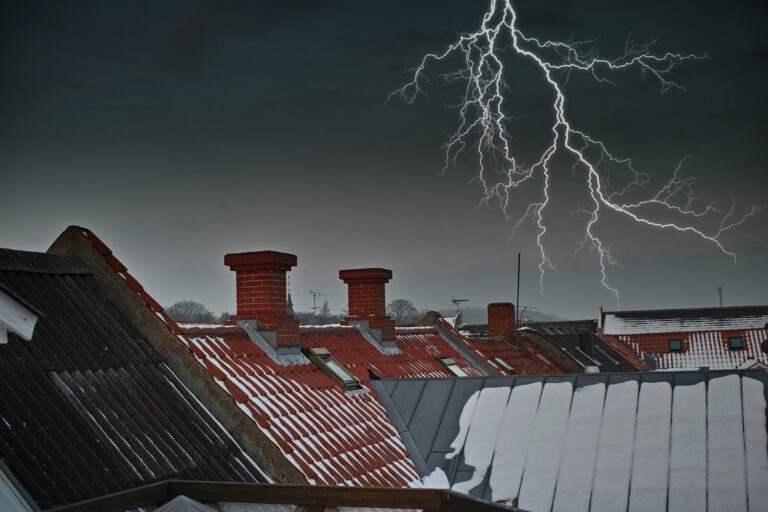
There’s one thing every Texan knows: storms like to show off in Dallas. Rain, hail, and wind aren’t strangers to our rooftops. If you’ve ever heard your porch chimes banging about in the wind or watched hail bounce off your grill like ping pong balls, you already know how rowdy Mother Nature can get.
But after a mighty blow from a hailstorm or a wild swirl from a gusty Texas norther, most folks rush outside, check for shingle damage, sigh at the battered barbecue, and start hunting their roofer’s number. But hang on a second—what if we told you there’s a sneaky troublemaker up there that’s just as important to check before you call in the cavalry?
That sneaky culprit is your roof flashing.

The Unsung Hero: What is Flashing?
Roof flashing is the unsung hero of every dry attic and chimney. Picture it like rain boots for your house. While shingles keep the rain off the big parts, flashing covers the nooks and crannies—those tricky spots where water loves to take a detour. Think of it as the boundary between “dry attic” and “mop up the mess.”
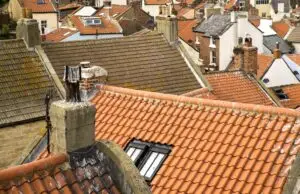
Flashing usually looks like thin metal strips lining the edges of your chimney, skylights, vents, dormers, and anywhere your roof meets a vertical surface. It doesn’t get a lot of praise (let’s be honest, no one’s ever bragged about their flashing at a BBQ), but it works day in and day out to stop leaks.
Why Storms Pick on Flashing
Imagine your roof as a team trying to keep the rain out. Shingles are the big linemen. But flashing? Flashing is the nimble cornerback, covering the gaps. When hail clatters down or when those Texas winds yank on roof parts like a toddler tugging on a puppy’s leash, shingles get most of the attention. But flashing, being thinner and more exposed on corners and joints, takes a real beating.
Why does hail and high wind target flashing?
All that metal flashing is usually held in place with small nails or adhesives, sometimes even tucked under shingle edges for better grip. When hail slams into it, the metal can bend, dent, or even pop loose in spots. It’s the difference between someone tapping on your shoulder and someone whacking you on the hand with a hammer—eventually, the metal yields.
Strong winds love to wiggle their way under loose edges, prying flashing upward or rattling it until fasteners give way. Before you know it, a once-snug fit has turned into a rattletrap, leaving a gap just big enough for the next rain storm to sneak through.
Case of the Creaky Chimney
Let’s talk about my neighbor Bob. Bob’s a good guy, always mowing the yard with his 1980s push mower and whistling classic rock. Last summer, a rough storm rolled through. Next day, Bob noticed a tiny water stain on his living room ceiling—right below his chimney.
Bob figured a shingle was loose, but after looking with a flashlight from the attic, he found the real culprit: the flashing had popped loose where the chimney met the roof. One quick trip with some metal shears, a hammer, and roofing cement, and Bob stopped what could have been a much bigger mess. He chuckled and said, “I guess that metal tape stuff is the real watchdog up there.”
How Quick Flashing Repairs Keep Your Attic Dry
Spotting and fixing flashing problems quickly is like patching up your waders before you step in a river. Here’s what happens if you don’t:
- Water Finds a Way: Even a thumb-sized bend in the flashing can let water sneak in where your attic insulation can’t stop it.
- Rot, Mold, and Stains: Wood prefers to stay dry. Any leak around the flashing means soggy lumber, moldy insulation, and ugly water stains on your ceiling.
- Pest Party: Any moist wood or drywall becomes an open invitation for bugs.
- Energy Bills Rise: Wet insulation is about as useful as a wet blanket when it comes to keeping cool and dry.
Don’t wait until your attic smells like a gym bag or you spot mushrooms growing along a beam.
Hail and Wind: The Terrible Twins
Some storms show no mercy. Hail can ding, dent, and flatten flashing in minutes. Each hailstone is basically a tiny hammer. Even if your shingles survive, hail can make the flashing look like someone used it as a drum set. Tiny dents might seem harmless, but they can open up edges and create gaps.
Winds in Dallas can surprise even the hardiest roof. When wind grabs the edge of your flashing, it acts like a can opener, peeling back the protection one little gust at a time.
Why Check Flashing First?
Calling a roofer can eat up time, and you might end up with a hefty bill just for someone to come out and say, “It’s actually just the flashing.” Checking it yourself or hiring a chimney professional can save you time, money, and one less wet surprise in your attic. When flashing is fixed quickly, you slam the door in the rain’s face.
How to Spot Flashing Damage After a Storm
Now, no one’s saying you need Spider-Man skills to check your flashing. Here are a few things to look for, whether you’re handy with a ladder or just peeking from the ground:
- Dents or Warping: If the flashing looks bent, has strange ripples, or odd warps after hail, it’s a sign something’s loose.
- Gaps or Lifting: Edges sticking up or nails peeking out are a red flag.
- Rust or Stains: Rusty flashing can let water drip where it shouldn’t.
- Missing Pieces: You shouldn’t see daylight where flashing once covered a seam.
- Leaks Inside: Water stains on your walls or ceilings are clear signs, often showing up days or even weeks after the storm.
Pro tip: Always be careful with ladders and roofs. If you’re not sure-footed, leave it to a pro—broken ankles aren’t as much fun as dry ceilings.
Common Places Flashing Gets Whipped
- Chimneys (top spot for leaks—chimney meets roof like peanut butter meets jelly, and rain wants in)
- Skylights
- Roof valleys (where two angles meet)
- Around vents and pipes
If you touch the flashing gently and it wiggles or you hear a little “creak,” that’s a sign it’s not held down right.
Simple Steps to Protect Your Flashing
Let’s keep it simple and honest, like grandma’s cornbread:
- Check After Every Big Storm: Hail or wind? Grab a flashlight and take a look at ceilings for spots or streaks of water.
- Peek From the Ground: If you spot bent metal or anything that looks “off” near the edges, you likely need a closer look.
- Don’t Pry or Pull: Damaged flashing can cut like a knife—leave the repairs to someone with the right gloves and tools.
- Call a Pro for Repairs: Even if damage seems small, water gets everywhere it’s not supposed to. Quick fixes by pros are better than patch jobs with duct tape.
Think of routine checks like getting an oil change—nobody brags about it, but it beats engine trouble down the road.
Why Chimney Flashing Takes a Beating
Chimney flashing gets more exposure than most roof parts. It wraps around where the chimney pokes through the roof. As wind whips around brick or stone, it tugs on the flashing, while hail bounces off bricks and dings the flashing below.
Since your chimney sits higher than the rest of the roof, it’s like a target painted just for hail and wind. Bad flashing means rain will zigzag down inside instead of rolling off. Before too long, your next fire might sizzle and pop for all the wrong reasons.
Dialogue: Bob and His Buddy, Frank
Bob: “Frank, you ever check your chimney flashing after a storm?”
Frank: “What’s flashing? Is that some city term for wearing shiny stuff?”
Bob: “Nah, it’s that thin metal bit around your chimney. Last storm, mine popped up and next thing I knew, my attic turned into a swimming pool.”
Frank: “Guess I better check mine… I was just worried about the grill lid blowing away!”
Bob: “Check the flashing and the grill. Keeps life simpler.”
That’s good advice.
Common Mistakes With Flashing
We see it every storm season—folks patch with roofing tar, slap on some duct tape, or cram caulk into a gap. These are about as useful as plugging a hole in a boat with bubble gum. It might work for a week, but the leak always comes back meaner than before.
The best fix? Properly fitted and fastened new flashing, sealed with industry sealants or handled by chimney and repair pros who work with these every day. If you try to bend or hammer it back yourself, you risk wider gaps or making things worse.
Why Choose a Chimney Specialist Instead of a Roofer?
Reroofing is expensive, and roofers usually focus on big jobs. Chimney and flashing repairs? That’s our bread and butter. At SafeFlue Chimney Sweep & Repair, our team looks at the flashing as part of your chimney system—making sure everything is sealed and fitted, not just patching the spot that leaks.
We’re also familiar with all the odd angles, brickwork, mortar, and the types of flashing that fit best with Dallas weather. Our experience means fewer callbacks and longer-lasting protection.
Prevent Big Trouble With Tiny Repairs
It doesn’t take long for a little water to cause a world of hurt. We’ve seen attic beams chewed up by rot, electrical wires shorted out, and even whole ceilings drooping after an ignored flashing leak. Quick fixes cost pennies compared to a full tear-out and remodel when water sneaks in for months undetected.
Want that attic bone-dry and your living room free of mystery water spots? Make sure storm season means checking your flashing—before calling in the big repair brigade.
When to Call SafeFlue Chimney Sweep & Repair
If you’ve weathered a storm—especially one with hail or strong winds—give your flashing a quick check. Notice bent metal, popped-out pieces, or signs of leaking inside? Don’t leave it to fate (or duct tape).
Our crew at SafeFlue Chimney Sweep & Repair knows how Dallas storms play. We check, repair, and replace flashing so you won’t need water buckets indoors. You get honest advice, friendly service, and a dry, safe attic—without the guesswork.
Contact SafeFlue Chimney Sweep & Repair
Give us a call at (214) 441-6336 or visit https://safefluechimneysweepandrepair.com. Don’t wait for mushrooms in your attic—let SafeFlue keep your home dry and your worries tiny.