

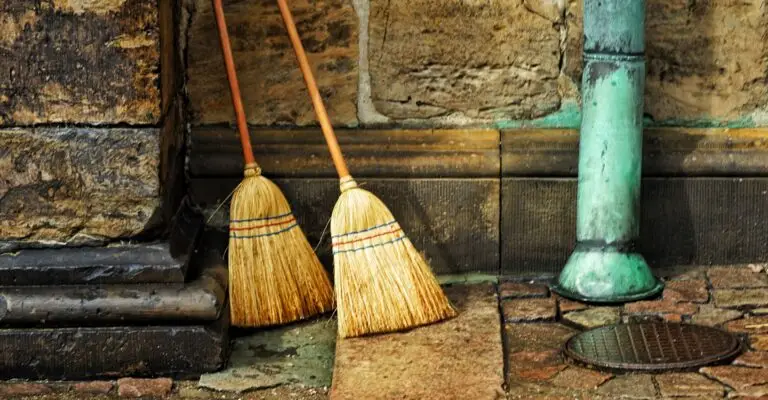
DIY sweep tools can help with a few small chimney care jobs, but they should stop well before inspection, full cleaning, liner checks, animal problems, smoke issues, or any repair. A homeowner can handle light upkeep and simple checks from the firebox area. Once soot, creosote, cracks, draft trouble, or roof access show up, it is time to bring in a pro. That line matters, because a chimney can look fine and still hide trouble like a wolf in sheep’s clothing.
Why this question matters more than people think
A chimney is a working part of your house, not just a brick tube with a hat. It moves smoke, heat, gas, and tiny bits of ash out of your home. If that path gets blocked or worn down, the whole system can act up fast.
A lot of folks think, “I bought a brush, watched a video, and now I am basically a chimney expert.” That is like saying a wrench makes you a mechanic. The tool helps, but the skill matters.
DIY chimney care has a place. No doubt. A careful homeowner can spot simple warning signs and keep the fireplace area cleaner. Yet the line gets crossed when a task can hide damage, miss buildup, or put you on a steep roof with a rod in your hand and hope in your pocket. For a closer look at service options, Chimney Sweep, Chimney Inspection, and Chimney Repair can help show where homeowner tasks end and trained service begins.
What DIY sweep tools can do well
Some tasks are safe and useful for homeowners. These jobs stay low-risk and easy to check.
Light cleanup in the firebox
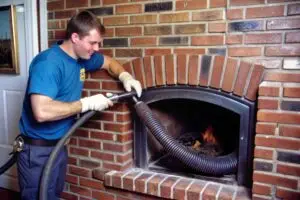
You can scoop out cool ashes, wipe soot from doors, and vacuum loose debris with the right ash vacuum. Wait until every ember is cold. That sounds obvious, but hot ash loves to play tricks.
Checking the visible parts
You can look at the damper, the firebox walls, the hearth, and the chimney cap from the ground. A flashlight goes a long way. You are looking for loose bricks, rust, stuck dampers, or a cap that looks bent or missing. If visible masonry issues stand out, Masonry Repairs or Chimney Cap Installation & Repair may be the next step.
Using a basic chimney brush, with limits
If you have a short, straight flue and already know the system is in good shape, a homeowner brush kit may knock down loose soot. That can help between service visits. It does not replace a real inspection or a full cleaning when buildup is heavy. For flue concerns beyond light brushing, Chimney Flue Repair and Chimney Relining are better fits.
Keeping records
This sounds boring, but it helps. Write down when you used the fireplace, what wood you burned, when smoke backed up, and when you cleaned out ashes. A simple note on your phone can save a lot of guesswork later.
Where DIY should stop
Here is the big line in the sand. Once a task goes past light upkeep, you are no longer just cleaning. You are judging safety, hidden wear, and system performance. That is pro territory.
Stop at heavy creosote
Creosote is the dark, sticky, crusty stuff left by burning wood. A little soot is one thing. Thick glaze is another beast. If it looks shiny, tar-like, or baked onto the flue, a store-bought brush may barely scratch it. Worse, you may think you cleaned it when the real hazard is still there. For background on chimney fires and buildup, see Wikipedia on creosote.
Stop at smoke problems
If smoke spills into the room, the issue may not be simple dirt. The flue could be blocked. The cap may be damaged. The liner may be rough or cracked. Draft could be weak from weather, house pressure, or a bad flue size. Guessing at that is like throwing darts in the dark. A Chimney Inspection, Smoke Chamber Repair, or help with Chimney Leaks may be needed depending on what is found.
Stop at anything on the roof
Roof work adds risk fast. Sloped shingles, hot Dallas sun, and a ladder are a rough mix. One small slip can turn a chimney chore into a trip to urgent care. If the job needs roof access, many homeowners are better off stepping back. The CDC fall prevention page gives a good reminder of how serious ladder and roof risks can be.
Stop at repairs
Mortar cracks, spalling brick, a bad crown, a broken cap, and liner damage all need trained eyes. Patching the wrong spot is like putting tape on a leaky boat and calling it a submarine. It may hold for a minute, then fail when you need it most. Common repair paths include Chimney Crown, Chimney Repointing, and Chimney Flashing Repair & Replacement.
Stop at gas fireplaces and venting issues
Gas units still need vent checks and cleaning. If vent parts are loose, rusted, or blocked, that is not a DIY game. Gas exhaust should be handled with care. If needed, Gas Chimney Inspection and Gas Fireplace Repair are available.
A simple side-by-side view
| Task | DIY OK? | Why |
|---|---|---|
| Remove cool ashes | Yes | Low risk if fully cold |
| Wipe fireplace doors and hearth | Yes | Basic cleaning |
| Check cap from ground | Yes | Good visual habit |
| Brush a short, straight flue lightly | Maybe | Only if system is known to be sound |
| Inspect liner condition | No | Hidden damage is easy to miss |
| Remove glazed creosote | No | Needs proper tools and judgment |
| Fix mortar, crown, cap, or flashing | No | Repair skill matters |
| Solve smoke backup | No | Many causes, not just soot |
| Work from the roof | Usually no | Fall risk is real |
What can go wrong with too much DIY
A chimney problem often hides in plain sight. You see a little soot and think that is the whole story. Meanwhile, the liner has cracks, the cap is bent, or a bird has turned the flue into a tiny condo.
Missed hazards are the big risk. Not because the homeowner is careless, but because chimneys hide trouble where a flashlight cannot tell the full tale.
You can also damage the flue with the wrong brush size or rough use. Metal tools used the wrong way can scratch or wear parts. Pushing debris down without removing it well can leave blockages. Some folks even loosen parts near the damper and make draft worse. Problems like that can lead to service needs such as Chimney Pipe Replacement, Firebox Repair, or Fireplace Repair.
Then there is the false finish. The job looks done. The chimney is not.
What we usually see in Dallas, TX
In Dallas, many homes do not use the fireplace every day. That sounds harmless, yet long gaps between use can let nests, dust, and moisture issues build up quietly. We also see heat, sudden rain, and humid spells wear on crowns and masonry. In areas near Lakewood and along roads like Preston Road, a mix of older brick chimneys and newer prefab systems means no two setups act the same. Townhomes, older ranch homes, and larger two-story houses all bring their own quirks. When nesting or entry points are found, Animal Removal and Custom Chimney Cap can be relevant.
Dallas weather plays a bigger role than most people expect
Weather is sneaky. It chips away a little at a time.
Summer heat in Dallas can dry and stress masonry. Then rain rolls in and water finds weak spots. If the crown or mortar has small cracks, moisture can slip in. That water can stain, weaken, and widen damage over time.
Humidity also matters. Damp air can mix with fireplace residue and leave harsh deposits. If the chimney cap is missing or damaged, rain and debris can get inside faster.
Cold snaps are shorter here than in some places, but they still matter. When water gets into masonry and temperatures drop, small cracks can grow. A chimney that looked “good enough” in fall may not look so good by late winter. This is where Chimney Brick Repair, Chimney Crown, and Chimney Leaks often come into the picture.
Signs a pro should take over right now
Some clues should stop the DIY plan on the spot.
- Strong smoky smell, even when the fireplace is not in use
- Smoke backing into the room
- Black, shiny buildup in the flue
- Dripping sounds, stains, or damp soot
- Pieces of tile, brick, or mortar in the firebox
- Animals, nesting, or chirping from the chimney
- White staining on outside brick
- A damper that will not open or close right
- Rust on metal parts
- Any crack you can see in the firebox or chimney structure
If you see one or more of these, put the brush down. The next move may be Chimney Inspection, Animal Removal, or Contact Us.
If this happens, do this
- If ashes are cold and loose, then remove them and keep a thin layer if your fireplace manual allows it.
- If you see light soot near the firebox, then clean the area and monitor use.
- If soot looks thick, sticky, or shiny, then stop and get a pro cleaning.
- If smoke enters the room, then stop using the fireplace until the cause is checked.
- If you hear animals or see nesting, then keep the unit off and get help.
- If the job needs roof access, then do not push your luck on a ladder.
- If you find cracks, rust, or loose parts, then skip the brush and get an inspection.
- If you have a gas unit with vent trouble, then stop use and get it checked.
A few common beliefs that trip people up
Belief: If I do not use the fireplace much, I do not need service.
Fact: Low use does not stop nests, moisture, or old damage.
Belief: A chimney brush kit cleans everything.
Fact: It handles some soot, not hidden defects or heavy creosote.
Belief: No smoke in the room means all is well.
Fact: Some chimney issues stay quiet until they get worse.
Belief: Brick looks solid, so the inside must be fine.
Fact: The inside can have liner wear or buildup you cannot see from below.
A simple care plan that keeps things sane
You do not need a giant checklist on the fridge. Keep it simple.
Weekly, during heavy fireplace use
- Check for odd smells
- Empty cool ashes as needed
- Look for smoke stains near the opening
- Make sure the damper moves right
Monthly, during the burn season
- Look up into the flue with a flashlight from the firebox
- Check the cap from the ground
- Note any smoke trouble or slow draft
- Look for loose debris in the firebox
Yearly
- Get the chimney inspected and cleaned as needed
- Have any masonry or cap issues checked
- Review how the system handled rain, cold snaps, and heavy use
That yearly visit is the big one. It catches things before they turn into a bigger mess. Scheduling through Chimney Sweep, Chimney Inspection, or Contact Us keeps that routine simple.
Why trained inspection matters
A pro is not just there to sweep. The real value is knowing what should and should not be there. A trained tech looks at buildup, airflow, wear, joints, liner condition, cap condition, and signs of water entry. That full picture matters.
Think of it like going to the dentist. You can brush your teeth at home. You still want someone to spot the cavity hiding in the back.
A good chimney visit can also save time. Instead of trying three weekend fixes that miss the root cause, you get a clear answer sooner. If the inspection points to issues, services like Chimney Rebuilding, Chimney Replacement, or Firebox Replacement may be discussed when needed.
DIY still has a place, just not the last word
Homeowners should not feel helpless. Light upkeep matters. Paying attention matters. Catching clues early matters. You are the one who sees your fireplace most often, and that gives you an edge.
Just do not confuse watching the game with being the referee.
Use DIY for cleanup, simple checks, and good records. Use a pro for inspection, full cleaning, repairs, roof work, draft problems, animal removal, and anything that smells, leaks, or looks off.
That is where to stop.
FAQs
Can I clean my own chimney with a store brush kit?
You can do light brushing in some simple setups, but it should not replace inspection or full service. If buildup is thick, sticky, or shiny, stop and get help.
How often should a chimney be checked?
A yearly check is a smart routine for most homes, even if you do not burn many fires.
What is creosote, and why does it matter?
Creosote is leftover residue from wood smoke. It can build up inside the flue. Light soot may brush off, but heavy glaze needs pro tools and skill.
Is it safe to get on my roof to clean the chimney cap?
For many homeowners, no. Roof pitch, heat, and ladder work add risk fast. A cap can be checked from the ground first, then handled by a pro if needed.
Why does my fireplace smell bad in warm weather?
Warm air, humidity, and old soot can push chimney odors into the house. Rain and a poor cap can make that worse.
Can rain damage a chimney in Dallas?
Yes. Rain can get into cracks, weak mortar, or a damaged crown. Over time, water can wear down brick and liner parts.
What if I hear birds or animals in the chimney?
Stop using the fireplace. Animals and nests can block airflow and leave debris. That needs safe removal and a check of the cap.
Do gas fireplaces need chimney service too?
Yes. Gas units still need vent and exhaust checks. Rust, blockages, or vent damage should be checked by a trained pro.
If your chimney needs a trained set of eyes, SafeFlue Chimney Sweep & Repair can help with chimney sweeping, inspections, and repairs for homes in Dallas, TX. A proper visit can catch hidden trouble, help your fireplace work better, and save you from trial-and-error fixes. Call (214) 441-6336 or visit https://safefluechimneysweepandrepair.com. You can also Contact Us for the next step.