

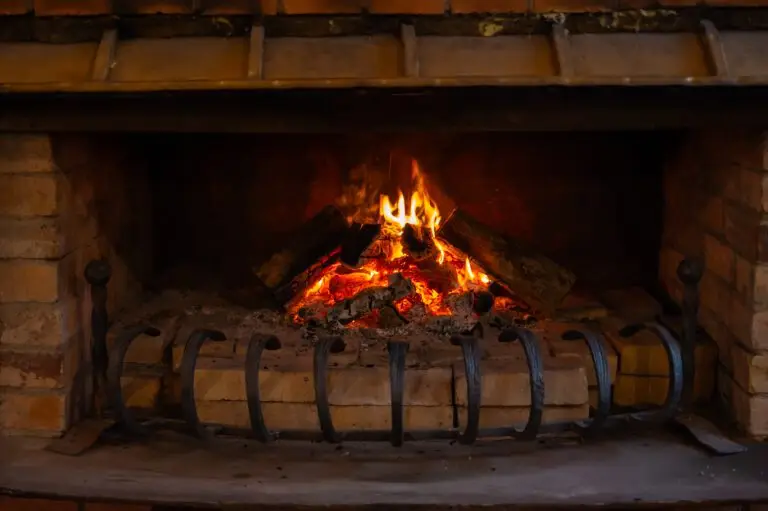
Soot stains over the firebox often mean smoke is not moving up and out the way it should. Many times, the smoke chamber is rough, damaged, dirty, or the wrong shape for good draft. That can lead to back-puffing, smoky smells, and a messy black “tan line” above the opening. The good news is that these clues help you catch trouble early, before it turns into a bigger repair or a smoky living room surprise.
First, what is the smoke chamber, and why does it matter?
Think of your fireplace like a funnel. The firebox is the wide bottom. The smoke chamber is the area above it that narrows as it heads to the flue. Its job is simple. It guides smoke from a big box into a smaller pipe.
When the smoke chamber is in good shape, smoke rises like it has a clear highway.
When it is in bad shape, smoke hits speed bumps. It swirls, stalls, and sometimes comes back at you. That is when you see stains, smell odors, and hear complaints from your smoke alarm that did not ask for extra work.
If you want a pro to check draft and pathway condition, start with a Chimney Inspection.
What the smoke chamber is made of
Many older fireplaces in Dallas homes use brick and mortar in the smoke chamber. Some are parged, which means a smooth coat of mortar was applied to make the walls slick. Over time, mortar can crack, chunks can fall, and soot can build up in rough spots.
Newer builds may still have rough or uneven areas, or gaps at joints, especially if the fireplace was built fast.
Soot stains over the firebox, what they are really telling you
That black band above the opening is not just “a little dirt.” It is often a smoke pattern, like fingerprints left behind by bad draft.
Common soot patterns and what they can mean
1) Black stains only at the top center of the opening
This often points to smoke rolling forward before it can rise. Draft may be weak, or the throat area may be restricted.
2) Black stains across the whole top edge
This can happen when the smoke chamber is very dirty, rough, or damaged, or when the damper area is not opening fully.
3) Stains plus streaks running down the front face
That can mean ongoing puff-backs. Smoke comes out, cools, and drops soot as it slides down.
4) Stains that get worse on windy days
Wind can push air down the chimney if the top setup is not helping draft, or if the flue is short for the roofline.
Quick safety note, soot is a sign that combustion byproducts are not staying where they belong. If you ever feel dizzy, get headaches, or feel sick when using the fireplace, stop using it and get it checked. For general information on carbon monoxide, see CDC: Carbon Monoxide (CO) Poisoning.
Back-puffing, the fireplace “burp” nobody wants
Back-puffing is when smoke pushes into the room in small waves. It can look like a quick cloud that shows up, then clears. It can also happen when you first light a fire, when you add wood, or when a gust hits the chimney.
If you have ever said, “Why did it just do that,” you have met back-puffing.
What causes back-puffing related to the smoke chamber
- Turbulence in a rough smoke chamber
Rough brick and broken mortar make the airflow messy. Smoke catches, swirls, and spills. - Soot buildup narrowing the path
Even a little narrowing in the smoke chamber or smoke shelf area can slow the exit. - Throat or damper restriction
If the damper is warped, stuck, or blocked, the fireplace acts like it is trying to breathe through a straw. - Cold flue on startup
Cold air drops, warm smoke rises. When the flue is cold, draft can stall at the start and smoke may spill.
In many cases, getting a professional Chimney Sweep along with a pathway check helps identify where smoke is catching and why it is spilling.
A simple test you can do without tools
Before you light a fire, open the damper fully and hold a rolled-up piece of paper near the opening, then light the paper. Watch the smoke.
- If it pulls up fast, draft is starting well.
- If it drifts into the room or stalls, you may have a draft issue that can be tied to the smoke chamber, flue, or top of chimney.
Do not stick your head in the fireplace like you are looking for a lost remote.
Fireplace odors, why your fireplace smells even when it is off
A fireplace can smell like an old campfire, wet ash, or even a musty attic. Odors can come from several sources, but smoke chamber problems are a frequent player.
Common odor causes linked to the smoke chamber
Soot and creosote residue
The smoke chamber holds residue, and rough surfaces hold more of it. Warm days can wake up that smell.
Moisture plus soot
Dallas weather can swing from humid to dry, and rain can drive moisture into small gaps. Wet soot has a strong odor. Like a gym bag you forgot in the trunk.
Animal or debris issues near the smoke shelf
Birds and squirrels look at chimneys like condos. Debris can sit on the smoke shelf and stink when damp. If this is a concern, review Animal Removal.
Negative air pressure in the home
A tight home with strong kitchen or bathroom fans can pull air down the chimney. That brings odor into the room even with no fire.
How Dallas weather and homes can make smoke chamber problems show up faster
Dallas heat can bake and dry materials. Then a cold snap hits, and things shift. Add spring storms and humid air, and you get a cycle that can open small cracks or keep soot damp.
You may notice problems more during:
- Cold starts in winter when the flue is icy cold and draft is slow.
- Rainy stretches when damp residue smells stronger.
- Hot afternoons when warm air rises through the home and can tug odor from the fireplace.
Home style matters too. Many neighborhoods have tall two-story homes that can create pressure changes, especially near stairwells and open floor plans. In areas with older brick homes, mortar wear can be more common.
You might see this in places like Lakewood where older masonry fireplaces are common, or near Preston Hollow where larger homes can have stronger indoor pressure changes from HVAC systems.
What we usually see in Dallas, TX
In many Dallas fireplaces, a few patterns show up often:
- Smoke chambers with rough brick and missing parge coat, which makes a bumpy path for smoke.
- Heavy soot on the smoke shelf, which acts like a “speed bump” for draft.
- Dampers that do not open all the way, sometimes from rust or warping.
- Odor complaints after storms, when moisture and residue team up.
When soot and odors keep repeating, it can help to pair cleaning with targeted Smoke Chamber Repair.
What you can check right now, no ladder needed
You can learn a lot with a flashlight and a calm mindset.
1) Look at the stain line
Is it new, getting darker, or spreading? A growing stain line often means the airflow problem is still active.
2) Check the damper movement
Open it fully. If it sticks, stops halfway, or feels crunchy, that matters.
3) Look up past the damper area
With a flashlight, look for flaky buildup, loose mortar bits, or a “cave-like” rough surface.
Do not scrape anything loose. Let a pro handle that so debris does not fall where it should not.
4) Smell test on dry and wet days
If the odor gets worse after rain, moisture and residue are likely part of the story.
5) Watch smoke behavior on startup
Does it roll forward before it rises? Do you get a puff when adding logs? These clues help narrow the cause.
If X, then Y, quick troubleshooting steps
- If soot stains are getting darker, then stop using the fireplace until it is inspected and cleaned, because draft is not staying steady. Consider scheduling a Chimney Inspection.
- If smoke spills only when you first light, then warm the flue first, try a small kindling fire, and confirm the damper is fully open.
- If you get back-puffing after the fire is going, then check for airflow competition, turn off strong fans, crack a nearby window an inch, and schedule an inspection for smoke chamber or flue restriction. A Chimney Flue Repair assessment may be part of the next step if the flue path is involved.
- If odors show up after rain, then check for moisture entry signs, and plan a chimney check for crown, flashing, and residue buildup. See Chimney Leaks.
- If soot falls into the firebox, then do not sweep it yourself, get a pro cleaning, falling soot can mean heavy buildup above.
- If you see crumbling mortar above the damper, then book a repair inspection, because damaged surfaces can catch soot and slow draft. Related masonry service: Masonry Repairs.
Smoke chamber repair, what “needs work” may mean
When people hear “repair,” they picture a full rebuild. Sometimes it is smaller and targeted. The right fix depends on what is wrong.
Common smoke chamber issues a technician may find
Rough or broken surfaces
These create drag and turbulence. Smoother walls help smoke move up.
Gaps and cracks in mortar
These can catch soot, allow heat to reach areas it should not, and weaken the structure over time.
Heavy soot or creosote deposits
This can narrow the pathway and raise fire risk. Cleaning removes the blockage and the odor source.
Smoke shelf packed with debris
The smoke shelf is a ledge behind the damper area. It catches debris and residue. When it fills up, draft can suffer.
Damper and throat problems
If the damper does not open fully or the throat is blocked, smoke has nowhere easy to go.
A short story you might relate to
A homeowner once told us, “My fireplace works fine, unless it doesn’t.” He had a stain line over the opening and a faint smoke smell after rain. He thought it was just “old house stuff.”
Then he lit a fire for a game day. The fireplace gave a few back-puffs like it was trying to talk trash. The room got hazy, and his buddies started offering “helpful” tips that made it worse. Someone suggested waving a pizza box like a fan. That did not fix it.
What did help was getting the pathway checked and cleaned, and fixing the rough, damaged areas above the firebox that were catching residue and slowing draft.
4 quick myths and facts about soot stains and smoke chambers
Myth: Soot stains are normal with any wood fire.
Fact: A little darkening can happen, but heavy stains, fast-growing stains, or smoke smell often point to draft or venting trouble.
Myth: If smoke goes up most of the time, the chimney is fine.
Fact: “Most of the time” can still mean restrictions, rough smoke chamber walls, or pressure issues that show up in certain weather.
Myth: Fireplace odor always means an animal in the chimney.
Fact: Animals happen, but soot and moisture are common odor sources too.
Myth: A bigger fire will fix a smoky fireplace.
Fact: Sometimes a hot fire helps draft, but it can also create more smoke and more residue if the pathway is restricted.
Care schedule that keeps soot stains and odors from coming back fast
A fireplace is like a grill. If you never clean it, it will start to complain.
Weekly, during burning season
- Scoop out excess ash once it is fully cold.
- Check that the damper opens and closes smoothly.
- Look for new soot streaks after each use.
Monthly
- Do a quick flashlight check above the damper area.
- Wipe the front face around the opening, so you notice new staining early.
- Pay attention to smells after rain, write it down if it repeats.
Yearly
- Schedule a professional chimney inspection and cleaning.
- Ask about the smoke chamber surface, smoke shelf condition, and damper operation.
- If repairs are needed, handle them before heavy use season, not mid cold snap when you just want heat.
For background on creosote, see Wikipedia: Creosote.
When soot stains mean “stop and get help”
No scare tactics here, just plain sense.
Pause fireplace use and get an inspection if:
- Smoke enters the room more than once.
- You see loose bricks, falling mortar, or chunks in the firebox.
- The odor is strong and keeps coming back.
- You see thick black buildup above the damper area.
- You feel unwell when the fireplace runs.
If you have carbon monoxide alarms, make sure they work and have fresh batteries. They are like seatbelts, you want them ready before you need them.
FAQs
Why do I have soot stains over the firebox opening?
Most often it is weak draft, airflow restriction, or turbulence above the firebox. A dirty or rough smoke chamber is a common cause.
Can a dirty smoke chamber cause back-puffing?
Yes. When the smoke chamber is rough or narrowed by buildup, smoke can swirl and push outward in small waves, especially during startup or when adding logs.
Why does my fireplace smell when it is not in use?
Odor can come from residue in the smoke chamber, moisture mixing with soot, debris on the smoke shelf, or air being pulled down the chimney by fans and HVAC.
Is it safe to clean the smoke chamber myself?
Most homeowners should not. The area is hard to reach, and soot can fall into living spaces. A pro can clean it safely and check for damage at the same time.
What is the smoke shelf, and does it matter?
The smoke shelf is a ledge behind the damper area. It catches debris and residue. If it is full, draft can suffer and odors can get worse.
Why is my fireplace smoky only on windy days?
Wind can affect pressure at the chimney top and push air down, especially if the flue height and top setup do not promote steady draft. Restrictions lower down can make wind problems worse.
Will cracking a window help with smoke coming into the room?
Sometimes, yes. If your home is under negative pressure, a small fresh air opening can help draft. If smoke still spills, the chimney and smoke chamber need inspection.
How often should I get my chimney inspected in Dallas, TX?
Once a year is a common plan for wood-burning fireplaces, especially if you burn often or notice stains, odors, or puff-backs.
SafeFlue Chimney Sweep & Repair helps homeowners across Dallas, TX with chimney sweeping, inspections, smoke chamber repair, and chimney repairs that can cut down stains, stop back-puffing, and get rid of stubborn fireplace odors. To schedule service, call (214) 441-6336 or visit https://safefluechimneysweepandrepair.com. You can also reach out through Contact Us.