Chimney solutions to your problems!

Chimney Sweep in Glenn Heights, Texas

Book Chimney Sweep In Glenn Heights with SafeFlue Chimney Sweep and Repair for clean flues, safer fires, and trusted local care scheduling today fast

Table of Contents

Chimney Sweep in Glenn Heights, Texas

If you are looking for chimney sweep in Glenn Heights, Texas, a sweep is a professional cleaning and inspection of your fireplace chimney, flue, and key venting parts so smoke and gases have a clear path out of your home. It helps homeowners who burn wood, use gas logs, or have a wood stove, and it also helps property managers who need consistent upkeep across multiple units.

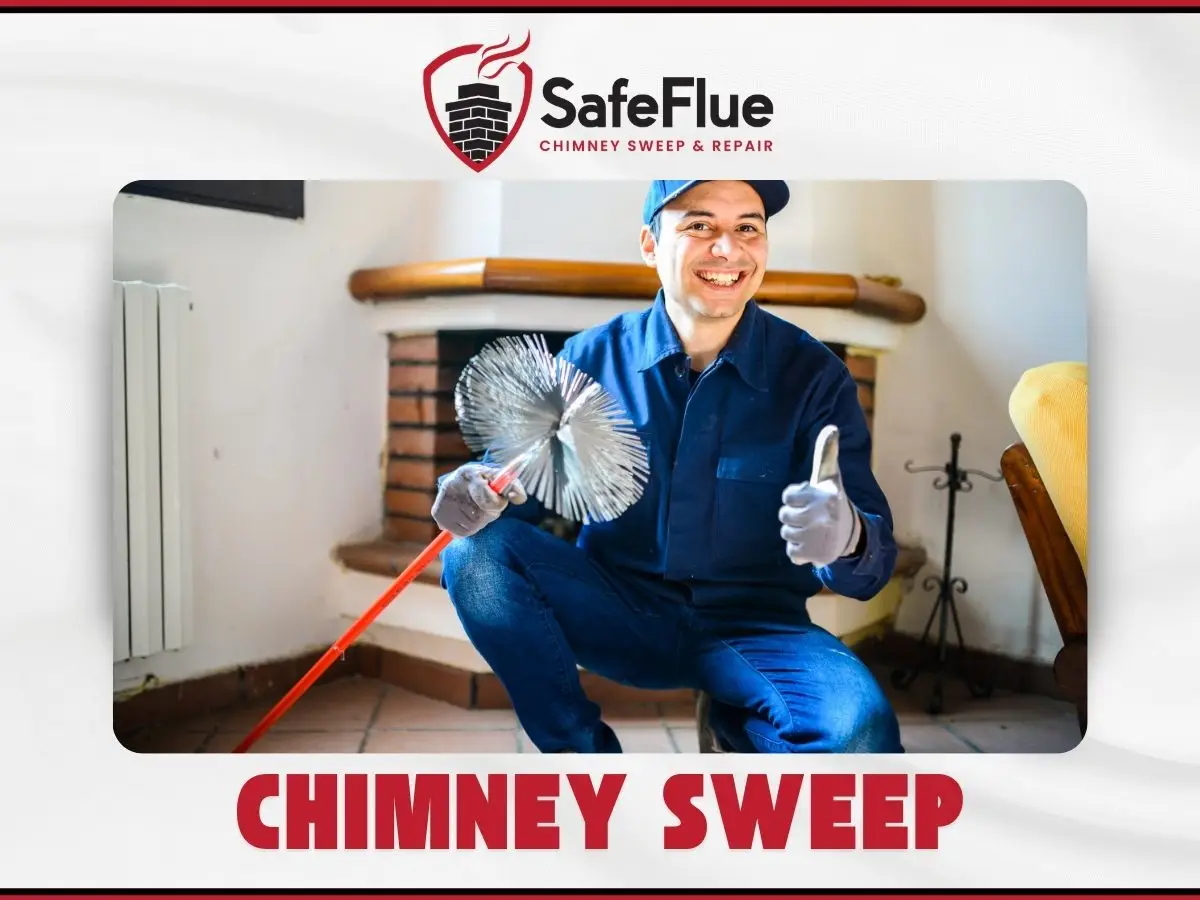
With SafeFlue Chimney Sweep & Repair, you can expect a straightforward visit that focuses on cleanliness, clear communication, and practical next steps. We arrive, protect the work area, inspect what we can see, sweep and clear buildup, and then walk you through what we found in plain language.

Need Help? Call SafeFlue Chimney Sweep & Repair near you

What a chimney sweep visit includes

Most people call because the fireplace seems fine but they want it checked before the next cold front rolls through. That is a smart move, especially in North Texas where fireplaces can sit unused for long stretches and then get fired up suddenly. A typical chimney sweep appointment in Glenn Heights may include the items below.

  • Setup to keep soot and dust controlled in the room
  • Visual inspection of the firebox and smoke chamber
  • Flue sweeping to remove soot and creosote
  • Basic checks of the damper and fireplace components
  • Noting any blockages such as bird nests or debris
  • Cleanup and a simple summary of what we saw

A homeowner near Bear Creek Road tells us we only use it a few times a year. That is common in Glenn Heights TX. Those occasional burns can still leave creosote, and critters can still find a way in during the off season.

SafeFlue Chimney Sweep & Repair Logo

How to know your chimney needs sweeping

Sometimes the signs are obvious. Sometimes they are not. If you notice anything below, it is a good reason to schedule service.

  • A smoky smell in the living room, even when the fireplace is not running
  • Smoke drifting back into the room when you light a fire
  • Black buildup around the damper area or fireplace opening
  • A fireplace that used to draw better
  • More soot than expected on the hearth
  • Pieces of flaky creosote in the firebox
  • You hear scratching or chirping in the chimney

You light the first fire of the season and someone says why does it smell like a campfire in here. That is your cue to stop and get the venting checked, not to crack another window and hope for the best.

What to do before the technician arrives

You do not need to overhaul the whole house. A little prep helps the visit go smoothly.

  • Let the fireplace cool fully if it has been used recently
  • Move decor and breakables from the mantel and hearth area
  • Clear a path from the door to the fireplace
  • If you have pets that are curious, plan to keep them in another room
  • If you have gas logs, know where the key valve is if possible

If you are in a newer subdivision off I 35E or closer to Ovilla Road, the living rooms often have tighter furniture layouts. Clearing a few feet in front of the fireplace saves time and keeps things tidy.

How long a chimney sweep takes

Timing depends on the fireplace type, the level of buildup, and access. A straightforward sweep with a basic inspection may be quicker than a unit that has heavy creosote or signs of a blockage.

  • A tall chimney or complex flue path
  • Heavy creosote that requires more passes
  • A tight damper area or hard to access cleanout
  • Evidence of moisture issues that need closer review
  • Removing and documenting a nest or debris
What affects timingWhy it matters
Level of soot and creosoteHeavier buildup can require more sweeping passes
Chimney height and layoutTaller or more complex flues take more time to work through
Signs of blockageNests or debris can require careful removal and review
Access to the fireplace and cleanoutTight areas can slow setup and tool positioning

We keep the process practical. If something needs more attention, we explain what we are seeing and what your options look like. No guesswork, no mystery.

Keeping your home clean during sweeping

Soot is the part everyone worries about, and honestly, that worry is fair. Fireplaces are great, but they are not known for being tidy. The goal of a professional sweep is to contain dust and debris so it stays in the work zone.

  • Use protective coverings near the hearth
  • Use professional tools designed to control soot movement
  • Collect debris from the firebox area during and after sweeping
  • Leave the fireplace area neat when we finish

If you have light colored carpet in a Glenn Heights living room, we treat that like a no funny business zone. We plan the work so cleanup is part of the job, not an afterthought.

Need Help? Call us for Chimney Services!

Creosote and why it matters in Texas

Creosote is a combustible byproduct that can build up when wood smoke cools and condenses inside the flue. Even in Texas, where some winters are mild, creosote can still form because it depends more on how you burn than how cold it is outside. For a general overview, see creosote.

  • Fires burn low and slow for long periods
  • Wood is not fully seasoned
  • The flue is cooler, such as exterior chimneys
  • The damper is partially closed too soon

A common North Texas pattern is the quick evening fire where someone starts a small fire, then turns it down to stretch it. That can be cozy, but it can also be creosote friendly.

Gas fireplaces, gas logs, wood stoves, and inserts

Yes, many gas setups still need venting checked. Gas systems can still have venting issues, nesting, moisture concerns, or draft problems. Gas also produces byproducts that need proper venting, and a blocked flue can cause poor performance.

  • The fireplace smells odd when it runs
  • Pilot and burner behavior seems inconsistent
  • Soot appears around the opening
  • You recently moved in and want the vent checked
  • Birds have been active around the chimney cap

Wood stoves and inserts can be efficient, but they still require regular flue care. Many inserts use a liner system, and the liner should be inspected and swept as needed.

  • Checking the connector and liner area that is accessible
  • Sweeping the liner to remove creosote
  • Looking for signs of overheating or component wear
  • Reviewing burn habits that may be increasing buildup

Chimney smells and smoke coming into the room

Chimney odor is common, especially after rain or during humid stretches. Sometimes it is old soot and creosote. Sometimes it is a draft issue. Sometimes it is a visitor you did not invite, like a nest.

  • Rain and humidity interacting with soot deposits
  • Downdrafts on windy days
  • A missing or damaged chimney cap
  • Debris in the smoke shelf area
  • A fireplace that has not been used in a long time

Smoke spillage is frustrating. It can also be a sign that something is off in the venting system or the way the fire is being started. Before lighting, open the damper fully and try a small rolled newspaper held near the flue opening to warm the draft path. If smoke still pushes into the room, stop and schedule service.

If we find a blockage or damage

We treat it like a clear conversation, not a scare tactic. If we see a blockage, we document what we can, explain what it means, and review next steps. If we see damage, we discuss what it could affect and what repair options may make sense.

  • Bird nests and other debris
  • Cracked flue tiles or gaps
  • Damper issues
  • Deteriorated mortar in the firebox
  • Water entry signs around the top of the chimney

We will also tell you when something looks normal. A lot of folks just want to hear it is operating like it should, keep doing what you are doing.

Chimney caps and water issues

Many chimneys benefit from a cap. Glenn Heights has its share of wind, rain, and wildlife, and an open chimney is basically an open invitation. If you want to add or replace one, custom chimney cap in Glenn Heights, Texas can help address rain entry and nesting.

  • Keeping out birds and small animals
  • Reducing rain entry
  • Limiting debris from falling into the flue
  • Helping reduce downdraft issues in some situations

Water is one of the biggest long term stressors for chimney systems. You may see staining, musty smells, or deterioration around masonry and flashing.

  • Musty odor from the fireplace after rain
  • White staining on exterior masonry
  • Rust on metal components
  • Damp firebox or staining around the opening
  • Pieces of tile or masonry in the firebox

How often to schedule chimney sweeping

It depends on how you use the fireplace and what you burn. A household that burns weekly through winter will have different needs than one that lights three fires a year.

  • More use usually means more frequent sweeping and inspection
  • Wood burning typically produces more buildup than gas
  • A new to you home should be checked before heavy use
  • Any draft or odor issue deserves a look sooner rather than later
Serving Glenn Heights neighborhoods and nearby routes

Glenn Heights is a mix of established homes and newer builds, and we work with both. For a broader view of coverage, see Glenn Heights, Texas service areas and the full service areas list.

  • I 35E and the nearby residential streets
  • Bear Creek Road corridors
  • Ovilla Road routes
  • Neighborhoods near local parks and schools
  • Homes that back up to greenbelts where birds are active

Common scenarios include a family moving into a home and wanting the fireplace checked before the holidays, a landlord turning a property and needing the chimney ready for new tenants, and a homeowner who uses the fireplace as ambiance only but still wants it venting properly.

ZIP codes commonly served around Glenn Heights

  • 75154
  • 75115
  • 75241
  • 75104
  • 75167
  • 75137
  • 75146
  • 76065

Directions To Our Office

Safeflue Chimney Sweep & Repair

Why choose our team

You want someone who shows up ready, keeps the home clean, and explains things without turning it into a lecture. SafeFlue Chimney Sweep & Repair is based in the Dallas, TX area, and we bring that local familiarity to Glenn Heights homes and properties. Learn more about the company on the About Us page.

  • Clear scheduling and straightforward communication
  • Respect for your home and your time
  • Practical findings, with photos when helpful
  • Help understanding what matters now vs what can wait

Related services in Glenn Heights, Texas

Schedule a chimney sweep in Glenn Heights

If you are ready to book a chimney sweep in Glenn Heights Texas, SafeFlue Chimney Sweep & Repair can help you get the fireplace and flue cleaned and checked so you can use it with more confidence. To schedule, use the Contact Us page or call +19729008925.

Frequently Asked Questions (FAQs)

SafeFlue Chimney Sweep & Repair offers chimney cleaning, inspections, repairs, and maintenance for both residential and commercial properties in Glenn Heights.

It’s recommended to have your chimney inspected and cleaned every several months, especially if you use your fireplace regularly.

Common signs include smoke backing up into your home, a strong odor coming from the fireplace, visible soot buildup, or crumbling masonry.

Yes, the company is equipped to service a variety of chimney and fireplace types, including wood-burning, gas, and prefabricated units.

Absolutely, they can inspect for hazards such as creosote buildup, blockages, or structural issues and recommend actions to help maintain safe operation.

L1 vs L2 Chimney Inspection: What Each Covers For Dallas Homes

L1 vs L2 Chimney Inspection: What Each Covers For Dallas Homes

If you burn wood or gas, you need checks. L1…

How Often To Clean A Chimney For Wood-Burning vs Gas Fireplaces in Dallas

How Often To Clean A Chimney For Wood-Burning vs Gas Fireplaces in Dallas

Wondering how often to clean a chimney? For wood fireplaces,…

Storm Damage? Check Flashing First Before Calling the Roofer

Storm Damage? Check Flashing First Before Calling the Roofer

There’s one thing every Texan knows: storms like to show…

1 3 4 5 6 7 8