

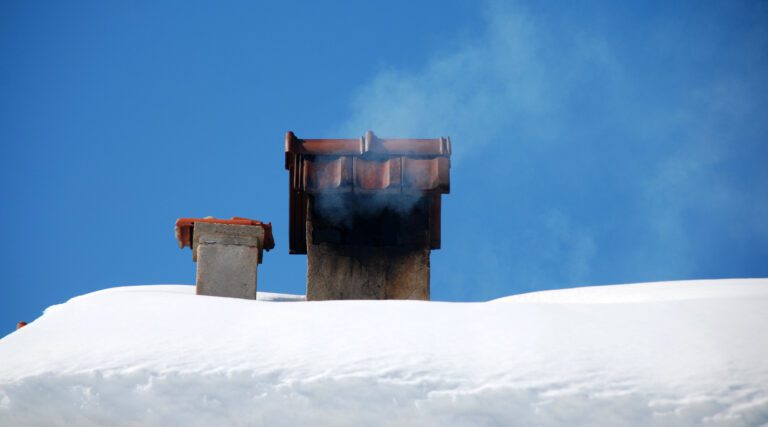
Ever looked up at your chimney and thought, “Eh, it’s just a hat for my fireplace—how important can it really be?” Well, that “hat,” called the chimney crown, is actually pulling off a big job. If it cracks or lets water in, you could be in for a storm of trouble, inside and out. Before you ignore those little chips or that odd-looking gap as harmless, let’s roll up our sleeves and peek under the crown’s brim.
Meet the Chimney Crown: Protector of the Home’s Rooftop Outpost
Picture your chimney like a castle tower for your house. The crown sits up top, a solid slab—usually concrete or special mortar—that stretches over the bricks. Its main job? Keep rain, sleet, and melting snow out of your chimney.
Think of it like an umbrella for your fireplace. If your umbrella has a rip, what happens? You get soaked. Well, your chimney gets soaked, too, if there’s a crack in that crown. And trust me, water sneaking in does more than leave a puddle on your hearth. It sets off a chain of leaks, damage, and—worst of all—money down the drain.
Let’s walk through why the crown is so important, how things can go off track, and what a strong repair looks like. Throw on your hard hat (or baseball cap), and let’s see how to keep your home safe from those tricky leaks and freeze‑thaw problems.

Why Do Chimney Crowns Crack, Anyway?
Now and then, a homeowner in Dallas tells us, “Hey, I haven’t even used the fireplace much. Why would the crown crack at all?” Think of Dallas weather—blazing heat, a dash of freezing cold, maybe a hit from hail. All that changing back and forth wears a crown down, just like a sidewalk splits from sun, then freezes, then sun again.
But weather is only one of the problems:
- Age—Mortar and concrete get old, like worn-out boots. Over time, they shrink, stretch, and start to get cracks.
- Poor Construction—Some crowns are too thin. Others are just mortar, not concrete. Worse, some are completely flat, and water just sits there like it’s in a small pool.
- Settlement—Houses settle. Chimneys shift a little. The crown can’t always keep up, so cracks spread like news at a BBQ.
Now, a few tiny cracks may not seem like much. But just like a nail in your tire, small problems can turn into big headaches.
How a Cracked Chimney Crown Lets Trouble Move In
Imagine leaving a small window open when it’s pouring rain. That’s a cracked chimney crown. Water runs right inside the crack and into the chimney below.
But it doesn’t stop there. Here’s how the problems get worse:
- Water leaks through the crack
- Drips onto flue liners and mixes with soot
- Starts rusting damper parts—those metal pieces that open and close the chimney
- Soaks bricks and mortar, leading to stains on your ceiling, peeling paint, or damp walls
- Over time, water gets farther into the chimney and fireplace—sometimes even reaching the attic or inside walls
The real problem here is water. Once it finds that crack in the crown, it’s like a dog who caught a scent—won’t stop exploring until it’s gone everywhere it can.
Rain Is Just The Beginning—Meet the Freeze‑Thaw Monster
Dallas doesn’t get months of snow, but we do get those freeze-thaw swings. Picture this story:
You have a tiny hairline crack in your chimney crown. It rains. Water sneaks into the crack and just sits there. The sun comes back, and nothing happens…this time. Come January, a cold snap. That tiny puddle freezes. Ice takes up more space than water (remember the frozen soda can that explodes in the freezer?). The crack gets wider.
Each freeze and thaw repeats: more water in, frozen solid, pushing the crack wider and deeper. Before you know it, the crown is falling apart. Soon, pieces break off, and the real leaks begin.
The Good: Why a Proper Chimney Crown Rebuild Saves the Day
Let’s picture this: you call in a pro, and the old, cracked crown is gone. What goes up in its place is a sturdy, smooth, slightly sloped new crown—one tough enough to keep water out for years.
Here’s what a rebuilt crown does right:
- Made of Concrete, Not Just MortarMortar is good for holding bricks together, but not for keeping rain out year after year. A proper crown uses special concrete that’s built to handle sun, rain, heat, and cold.
- Overhangs the EdgesThe best crowns stick out over the edge of the chimney—like a cowboy’s hat brim. This helps water drip off and land away from the bricks. Water never gets a chance to just roll down the side.
- Has a Gentle SlopeA crown should slant away from the flue, sending every drop of rain off the surface and away from spots that crack easily. Think of it like a slide for water—nothing sticks around.
- Thick Enough to LastA good crown isn’t thin and weak like a tortilla—it should be at least two inches thick at the thinnest point. That extra strength keeps out cracks, weather, and trouble.
- Expansion Joint Around the FlueConcrete likes to shrink and expand, but so does the metal liner sticking through your crown. Good builders add a gap with flexible sealant, so the parts can move without breaking each other.
- Professional Touches for DurabilitySpecial waterproof extras, rebar for strength where needed, and a smooth finish—these aren’t just fancy add-ons. They help your crown outlast the next rainstorm or rare Dallas freeze.
How We Rebuild a Chimney Crown Step by Step
Curious how the work is done? Here’s the SafeFlue Chimney Sweep & Repair plan, leaving out the trade secrets:
- Step 1: Prep Like a ProFirst, we get rid of any loose bits—old cracked mortar, dirt, moss, or squirrel stuff. The top needs to be clean for the new concrete to hold on.
- Step 2: Build a MoldWe make a form around the chimney top—think of it like creating edges for a new sidewalk, but upright. This shape gives the crown its overhang and slope.
- Step 3: Mix and Pour ConcreteWe use heavy-duty chimney crown concrete, pour it in, and poke out any bubbles so everything’s solid.
- Step 4: Build in a Gap Around the FlueWe make sure there’s space between the flue and new crown, and we seal it later with special caulk.
- Step 5: Shape and SlopeWe smooth everything, make the edges neat and make sure rain will run off easily. No puddles allowed.
- Step 6: Curing and FinishingWe let the new crown harden—slow and steady makes it tougher. Sometimes, we come back to take off the frame after it’s set.
- Step 7: Waterproof for Extra StrengthWhen needed, we roll on a special crown-specific waterproofing coat. This is like putting a raincoat on your chimney.
Why Not Just Patch Cracks With Roof Sealant?
We hear this a lot: “Can’t you just put some caulk on the crack and be done?” We wish it worked that way!
Here’s why quick fixes aren’t enough:
- Sealants trap water already inside—eventually, it makes the crack spread.
- Caulk can peel or split under sun and heat.
- Quick patches hide the problem—until leaks show up again, usually right before the family’s holiday fire.
If you patch a leaky boat with tape, you might get to shore, but you’re still taking on water. When facing a cracked chimney crown, rebuilding is the real fix that keeps your home safe.
Stories From the Field: Real Chimney Crown Headaches
- Story 1: The Barbecue Smoke ShowRandy thought the stains around his chimney were from soot, not leaks. He ignored it for months. Then, during one big rain, water poured through the living room ceiling like Niagara Falls. Turns out, his crown had split, water ran between the liner and bricks, and his attic insulation was soaked.We rebuilt his crown, and Randy now jokes, “My chimney’s drier than West Texas.”
- Story 2: The Freeze That Broke the Camel’s… CrownLisa only uses her fireplace once or twice in winter, but didn’t see a crack on top. After a wet January freeze, flakes of concrete fell down inside the flue. Birds took the broken crown as a great place for a nest. Talk about uninvited guests! We rebuilt, fixed the slope, sealed the crown, kept the birds out, and set Lisa up for chimney success.
Can You DIY a Chimney Crown Rebuild?
Some people like to tackle everything—fixing trucks, mowing lawns, even patching roofs. But climbing a tall ladder, working with concrete, shaping a slope, and setting up expansion joints isn’t easy or safe for most people.
Safety gear, concrete know-how, and working up high add risk. And if the job isn’t just right, you’ll be calling in pros to fix two problems instead of one, and you’ll probably pay more.
Most Dallas homeowners trust pros for crown rebuilds. It’s a smart investment that pays off in the long run.
Risks of Ignoring a Cracked Chimney Crown
If you ever thought, “It’s just a crack; what’s the worst that could happen?”—here’s your friendly warning.
- Water inside the chimney, damaging bricks, flue liners, and the fireplace
- Stains on ceilings and walls, sometimes far from the chimney (water runs where it wants)
- Rusting damper or fireplace doors, leading to expensive repairs
- Freeze‑thaw chunks breaking off, making the crown worse—and pricier to fix
- Less safe fires since wet or damaged chimneys don’t draft as they should
A crown rebuild stops all this from happening.
Spotting Trouble Early: Chimney Crown Warning Signs
Keep your eyes open for these clues:
- Visible cracks—especially spreading out from the flue or along edges
- Chunks missing or bits of flaking concrete
- Rust marks down the chimney
- Musty smells near the fireplace after rain
- Leaks, stains, or peeling paint inside near the chimney
If you see these signs, you should get an inspection.
How Often Should Your Chimney Crown Be Checked?
Give it a good look at least once a year, especially after wild weather. If climbing the roof isn’t your thing, a chimney sweep can check for you during a yearly cleaning or inspection. Crowns usually last years, but only if weather and cracks are kept away.
If you own an older home or have had any chimney leaks in the past, regular checks are even more helpful. Sometimes, crowns fail earlier if a storm knocks branches against the chimney or poor concrete was used from the start. A yearly look keeps you ahead of problems and makes sure repairs stay small instead of turning into a huge headache. Homeowners who take care of their chimney crowns often enjoy years of leak-free fires, without sudden surprises.
Protect Your Chimney With Dallas’s Friendly Experts
The umbrella on your chimney matters as much as the roof over your head. Waiting until water shows up in your living room only makes things tougher and more expensive to fix.
At SafeFlue Chimney Sweep & Repair, we’re ready to help your chimney stay strong, dry, and safe (well, as safe as chimneys get). Our skilled team can inspect, rebuild, and waterproof your crown, stopping leaks and freeze‑thaw headaches for good.
To keep your home dry, your fires working, and worries away, reach out to us today at (214) 441-6336 or visit https://safefluechimneysweepandrepair.com to set up your chimney crown check or rebuild. We’ll make sure your chimney is protected so you can kick back and enjoy the warmth—rain or shine!
If you want to learn more about how we help Dallas homeowners every year, we’re happy to share extra tips on brickwork, waterproofing, and chimney safety. Protecting your fireplace is what we do best, and we’re always here to answer your questions. Don’t wait for stains or leaks—catch those issues early, and enjoy peace of mind all year long.